
Women’s field hockey began in 1887 with the founding of Molesey Ladies Hockey Club, marking the start of organized women’s team sports in England. This groundbreaking moment launched a century-long journey of breaking barriers, achieving Olympic recognition, and transforming women’s sports participation worldwide.
Key Takeaway
- Women’s field hockey began in 1887 with Molesey Ladies Hockey Club, the first organized women’s team
- Title IX in 1972 revolutionized women’s sports participation in the United States
- Women’s field hockey debuted at the 1980 Moscow Olympics, marking global recognition
- Constance Applebee introduced field hockey to the U.S. in 1901, expanding the sport’s reach
- The International Federation of Women’s Hockey Associations formed in 1927 to organize international play
The Birth of Women’s Hockey: 1887-1927
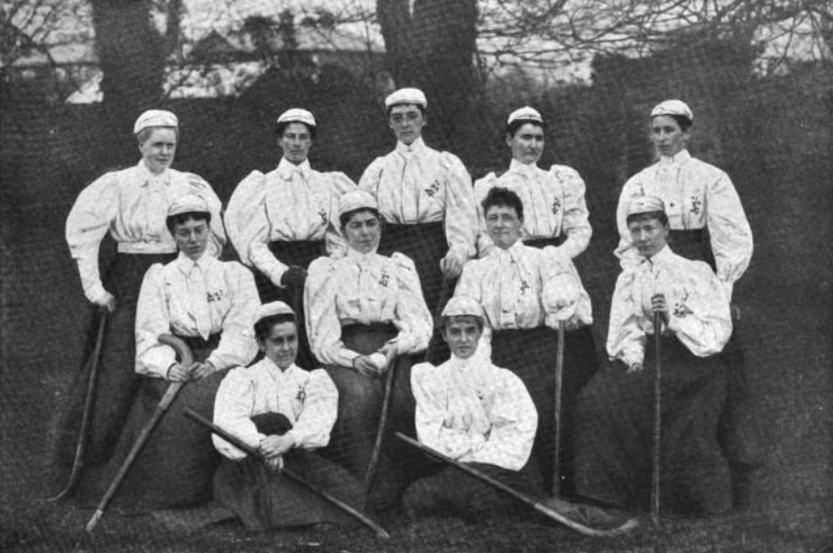
Molesey Ladies Hockey Club: The First Women’s Team in 1887
In 1887, Molesey Ladies Hockey Club was founded in England, becoming the first organized women’s hockey team in history. This pioneering club represented a radical departure from the era’s social norms, as women’s participation in organized sports was virtually unheard of at the time. The establishment of Molesey Ladies demonstrated that women could compete at high levels in team sports, challenging Victorian-era beliefs about female physical capabilities. The club’s formation in Surrey, England, created a foundation for women’s hockey that would spread across the British Empire and eventually worldwide. Members of Molesey Ladies not only played competitive matches but also helped establish the rules and playing styles that would define women’s field hockey for generations, including advanced stick handling techniques that are still used today. The club’s success inspired similar organizations across England, proving that women’s sports could thrive with proper organization and support.
All England Women’s Hockey Association Forms in 1895
- 1895: All England Women’s Hockey Association (AEWHA) established to govern women’s hockey in England, creating standardized rules and competitive structures
- 1901: Constance Applebee introduces field hockey to the United States while studying at Harvard, bringing the sport across the Atlantic and establishing American women’s hockey
- 1927: International Federation of Women’s Hockey Associations (IFWHA) formed to organize international tournaments, creating the first global governing body for women’s field hockey
The period from 1887 to 1927 saw remarkable growth in women’s hockey infrastructure. The AEWHA provided governance that allowed women’s teams to compete fairly and safely, establishing playing standards that would last for decades. Constance Applebee’s introduction of field hockey to American colleges created a new frontier for the sport, with women’s teams forming at prestigious institutions like Vassar and Wellesley. The formation of the IFWHA in 1927 represented a major milestone, as it created the first international framework for women’s hockey competition. This organization would go on to host World Championships and promote the sport globally, ensuring that women’s hockey had a dedicated international presence separate from men’s hockey governance.
Title IX and Olympic Breakthrough: 1972-1980
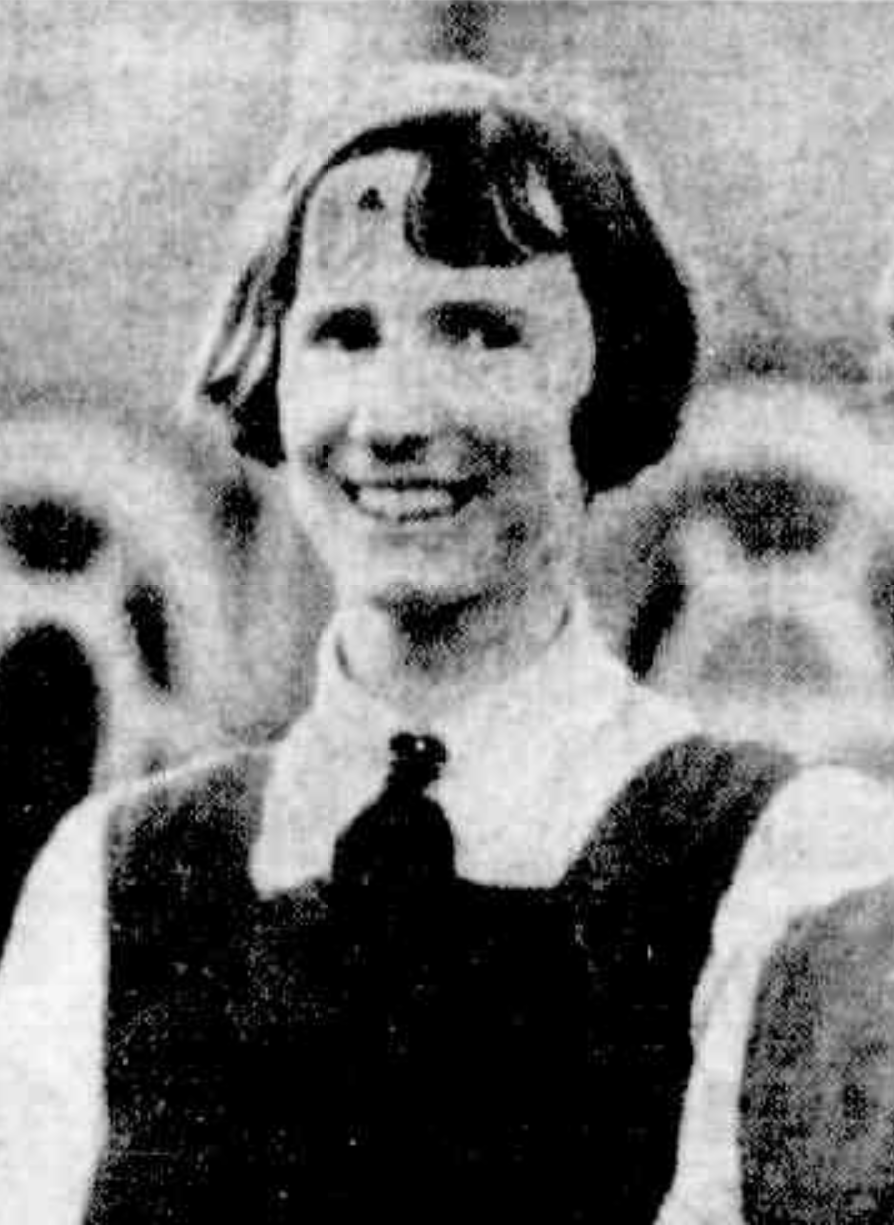
Title IX Revolutionizes Women’s Sports in 1972
The enactment of Title IX in 1972 transformed women’s hockey participation in the United States by banning sex discrimination in education. This landmark legislation required schools receiving federal funding to provide equal opportunities for female athletes, leading to explosive growth in women’s sports programs nationwide. Title IX created pathways for thousands of young women to play field hockey at high school and college levels, establishing competitive leagues and scholarship opportunities that didn’t exist before. The law’s impact extended beyond hockey, but field hockey benefited significantly as schools developed women’s teams to comply with the new regulations. By the late 1970s, women’s college hockey had become a viable pathway to athletic careers, with many players going on to represent the United States internationally. The legislation also helped establish women’s hockey as a legitimate varsity sport, with universities investing in facilities, coaching staff, and competitive schedules that elevated the game’s quality and visibility, while also emphasizing off-season training to develop elite athletes.
Women’s Field Hockey Debuts at 1980 Moscow Olympics
- 1980: Women’s field hockey makes Olympic debut in Moscow, Russia, with six nations competing in the inaugural tournament
- Global recognition: Olympic inclusion validates women’s hockey as a legitimate international sport, providing unprecedented exposure and credibility
- International platform: Creates competitive opportunities for women athletes worldwide, establishing a quadrennial championship that drives national team development
The 1980 Moscow Olympics marked a watershed moment for women’s field hockey, as the sport gained Olympic recognition after decades of growth at the grassroots level. The inaugural women’s tournament featured teams from Austria, India, Poland, Czechoslovakia, the Soviet Union, and Zimbabwe, demonstrating the sport’s global reach. Zimbabwe’s victory in the first Olympic women’s hockey tournament was particularly significant, as it highlighted how the sport had spread to diverse regions beyond its British origins. Olympic inclusion provided women’s hockey with international television coverage and media attention that had previously been unavailable, inspiring young girls worldwide to take up the sport. The Olympic platform also created pressure for nations to develop women’s hockey programs, leading to increased investment in coaching, facilities, and player development across multiple continents. Teams began implementing sophisticated power play strategies to compete at the highest level, transforming the tactical landscape of women’s hockey.
Modern Women’s Hockey: Growth and Global Impact

Marden Russets Hockey Club: Local Legacy Since 1921
Marden Russets Hockey Club, founded in 1921 following World War I, represents the enduring legacy of women’s hockey development in local communities. The club evolved significantly over decades, forming separate Men’s and Ladies’ XIs in 1946 and becoming formidable opponents across Kent and Sussex. Today, Marden Russets features 5 Ladies’ teams, 8 Men’s teams, and 28 junior teams, demonstrating the sport’s broad appeal across generations. The club’s continued success reflects how women’s hockey has become deeply embedded in community sports culture, providing opportunities for players of all ages and skill levels. Marden Russets’ growth from a nomadic team to a multi-team organization with state-of-the-art facilities illustrates the sport’s transformation from a niche activity to mainstream community sport. The club’s junior program, which includes 28 teams, ensures that young girls have access to hockey from an early age, creating a sustainable pipeline of talent for future generations through structured passing drills and team-building exercises.
2026 Achievements: Women’s Teams Dominate Local Competitions
- March 2026: MRHC Ladies 4s secure top spot in South East Division 5 Invicta, demonstrating the club’s competitive strength at multiple levels
- Local success: Other sections winning competitions across Kent and Sussex, showing the depth of women’s hockey talent in the region
- Modern facilities: State-of-the-art facility since 2019 supporting year-round play, providing professional-level training environments for women athletes
The achievements of Marden Russets in 2026 showcase how women’s hockey has evolved from its humble beginnings to become a dominant force in local sports. The Ladies 4s team’s success in South East Division 5 Invicta represents the culmination of decades of development, with players benefiting from improved coaching, training methods, and competitive opportunities. The club’s multiple women’s teams competing successfully across different divisions demonstrates the sport’s ability to retain players and provide competitive pathways for athletes of varying abilities. The state-of-the-art facilities established in 2019 have been crucial in supporting this growth, offering women players access to professional-quality training environments that were unavailable to earlier generations. These modern amenities include artificial turf pitches, dedicated changing facilities, and strength and conditioning areas that allow female athletes to train at the highest levels.
The most surprising finding in women’s hockey history is how quickly the sport evolved from a single club in 1887 to Olympic recognition in just 93 years. This rapid transformation demonstrates the powerful combination of pioneering individuals, institutional support through organizations like the AEWHA and IFWHA, and legislative changes like Title IX that collectively broke down barriers for women in sports. Today, women’s field hockey continues to grow globally, with local clubs like Marden Russets providing the grassroots foundation for the next generation of players. To experience this rich history firsthand, visit Marden Russets Hockey Club and see how women’s hockey continues to thrive in local communities.
Frequently Asked Questions About Hockey History Women’s Game
What was the first hockey club?
The first hockey club was the Blackheath Club, established in 1887, which played a key role in the early development of women’s hockey. This club helped lay the foundation for the sport’s growth among women in the late 19th century.
What is girl hockey called?
Women’s hockey is the term used for the female version of ice hockey. It has evolved significantly since its early days in 1887, gaining recognition through milestones like the 1980 Olympic breakthrough and continuing to grow globally today.
When did women’s hockey gain Olympic recognition?
Women’s hockey gained Olympic recognition in 1980, marking a major milestone in the sport’s history. This breakthrough followed decades of growth since the first women’s teams formed in 1887 and was a pivotal moment for the global expansion of the women’s game.
