
Hockey‘s origins trace back approximately 4,000 years to ancient Egypt, where tomb paintings at Beni Hassan depict players using curved sticks and a ball. This ancient game laid the foundation for both field and ice hockey as we know them today.
Evolution of Hockey: Key Historical Milestones
- Ancient origins: Stick-and-ball games played 4,000+ years ago in Egypt, Persia, and Greece
- Cultural variations: Different forms developed across Scotland, Ireland, England, and Netherlands
- Modern standardization: Field hockey formalized in 1861 England; ice hockey organized in 1875 Montreal
- Separate paths: Field and ice hockey evolved distinct rules despite shared ancient roots
When and Where Did Hockey Begin?
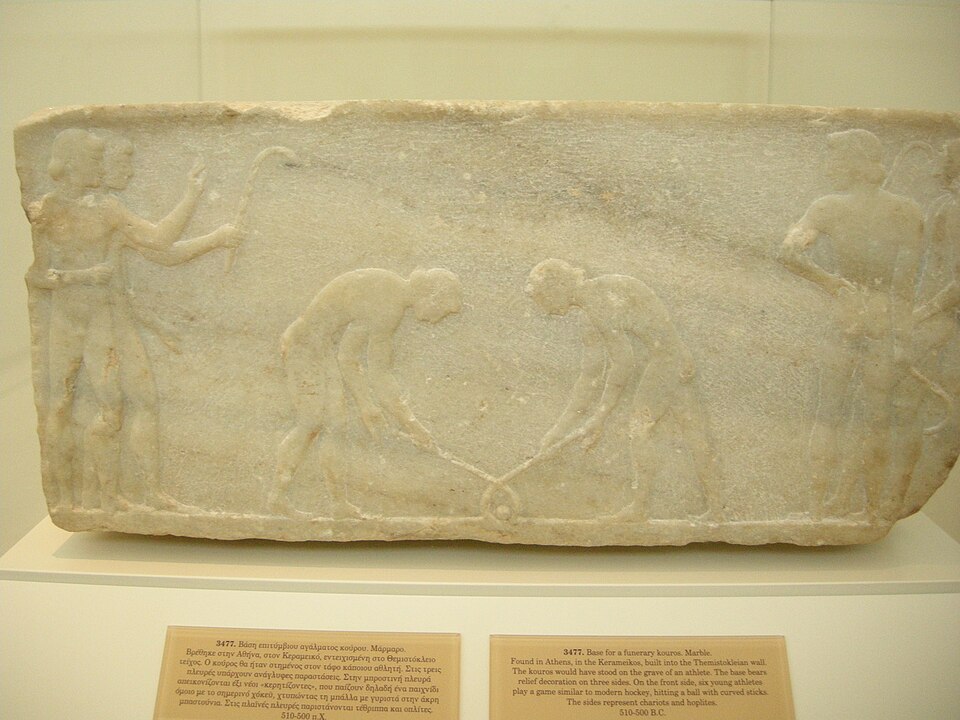
Ancient Egyptian Origins: 4,000 Years of Stick-and-Ball Games
The oldest documented evidence of hockey-like games comes from ancient Egypt around 4,000 years ago. Tomb paintings at Beni Hassan, dating to approximately 2000-2500 BC, show players using curved sticks made from palm tree branches to hit a ball constructed of compressed papyrus fibers. This game was known as “Al-Hoksha” in Egyptian culture. The paintings depict teams of players engaged in what appears to be a competitive stick-and-ball game, establishing hockey’s ancient roots in North African civilization.
Archaeological evidence reveals that Egyptian players used sophisticated equipment for their time. The curved sticks were crafted from durable palm branches, shaped to provide optimal striking angles. The balls, made from compressed papyrus fibers, were lightweight yet resilient enough for repeated striking. These early games were not merely recreational but held cultural significance, often depicted in burial chambers to symbolize the deceased’s enjoyment of earthly pleasures in the afterlife.
Global Ancient Variations: Persia, Greece, and Indigenous Games
Hockey-like games developed independently across multiple ancient civilizations. In Persia, evidence suggests similar stick-and-ball games were played approximately 5,000 years ago, predating Egyptian examples by about 1,000 years. Ancient Greek civilizations also had variations of stick-and-ball games, though specific details about their rules and equipment remain less documented.
Indigenous peoples across North America played their own versions of stick-and-ball games, which would later influence the development of modern sports including hockey. These games served multiple purposes: religious ceremonies, warrior training, and community bonding. The Native American game of lacrosse, considered one of the oldest team sports in North America, shares fundamental similarities with hockey’s stick-and-ball mechanics and competitive structure.
Early European Stick-and-Ball Games
European cultures developed their own distinct variations of stick-and-ball games that contributed to hockey’s evolution. In Scotland, a game called “shinny” was played on frozen ponds and fields. Ireland had “hurley,” a similar game with its own unique rules and equipment. England developed “bandy,” which was particularly popular on frozen surfaces in northern regions. The Netherlands had “kolven,” a stick-and-ball game that also influenced European hockey traditions.
These regional variations all shared common elements of using curved sticks to move a ball toward a goal. The games adapted to local conditions – Scottish shinny thrived on frozen lochs, Irish hurling maintained its grass-based traditions, and Dutch kolven became popular in urban settings. Each variant contributed specific elements to hockey’s eventual development: Scotland’s emphasis on physicality, Ireland’s stick-handling techniques, England’s organizational structure, and the Netherlands’ strategic approaches to ball movement.
How Did Modern Hockey Develop?
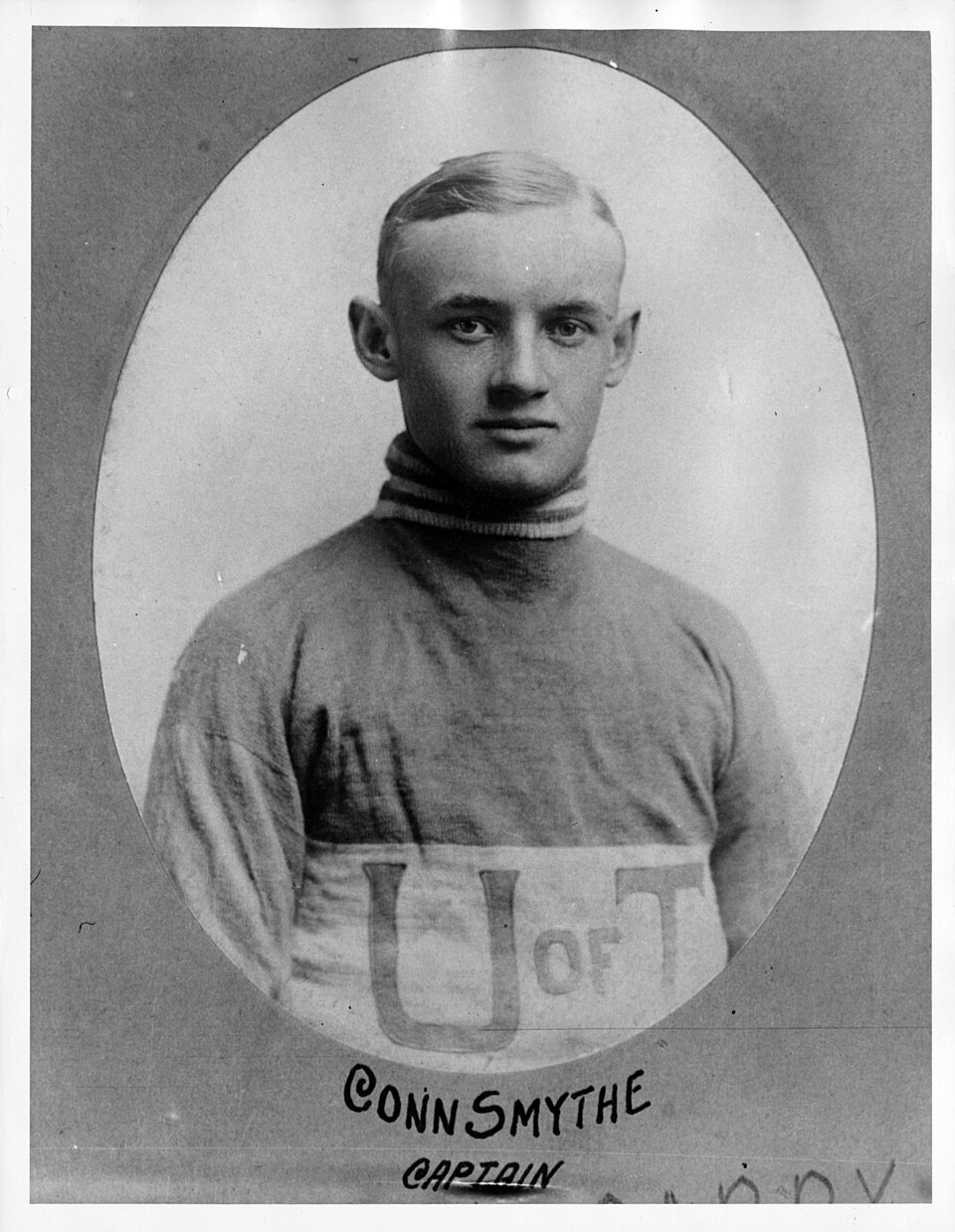
Field Hockey Standardization in 19th Century England
The modern version of field hockey emerged in England during the 19th century. The Blackheath Hockey Club, founded in London in 1861, became the first formal field hockey club, marking the transition from informal games to organized sport. England established standardized rules, defined playing surfaces, and created formal competitions that transformed hockey from a casual pastime into a structured athletic pursuit.
This period saw the development of consistent equipment standards, playing field dimensions, and team formations that remain influential in modern field hockey. The English Hockey Association, formed in 1886, codified the first official rules, establishing 11 players per side, standardized field dimensions of 100 yards by 60 yards, and specific regulations for stick design and ball specifications. These foundational rules created the framework for international competition and the sport’s eventual inclusion in the Olympic Games in 1908.
The First Indoor Ice Hockey Game: March 3, 1875
A pivotal moment in ice hockey’s history occurred on March 3, 1875, at the Victoria Skating Rink in Montreal, Canada. James Creighton organized the first recorded indoor ice hockey game, featuring nine players per side competing on a flat wooden surface. The game used a flat wooden puck instead of a ball, representing an important innovation for ice-based play. Creighton’s team won the historic match 2-1, establishing a precedent for organized indoor ice hockey competition.
This event marked the beginning of ice hockey as a distinct sport from its field-based predecessors. The Victoria Skating Rink game introduced several revolutionary concepts: indoor play eliminating weather dependency, the flat puck improving ice surface control, and reduced team sizes increasing game pace. These innovations addressed the unique challenges of ice-based play and created the foundation for modern ice hockey’s fast-paced, high-scoring style that would eventually spread across Canada and internationally.
Evolutionary Influences on Modern Hockey
Modern hockey’s development drew from multiple ancestral games. Bandy, popular in England and Russia, contributed rules about player positions and game flow. Hurling from Ireland influenced stick handling techniques and scoring methods. Shinty from Scotland affected the physical aspects of play and player endurance. Indigenous North American games, particularly lacrosse, contributed to understanding team dynamics and strategic positioning.
The convergence of these influences created hockey’s unique character. Bandy’s positional play established defensive and offensive structures. Hurling’s stick skills influenced ball control and passing techniques. Shinty’s physical nature contributed to hockey’s contact elements and player toughness. Lacrosse’s strategic elements enhanced team coordination and offensive set pieces. This synthesis of diverse traditions produced a sport that balanced physical intensity with technical skill and strategic complexity.
What Are the Key Differences Between Field and Ice Hockey?
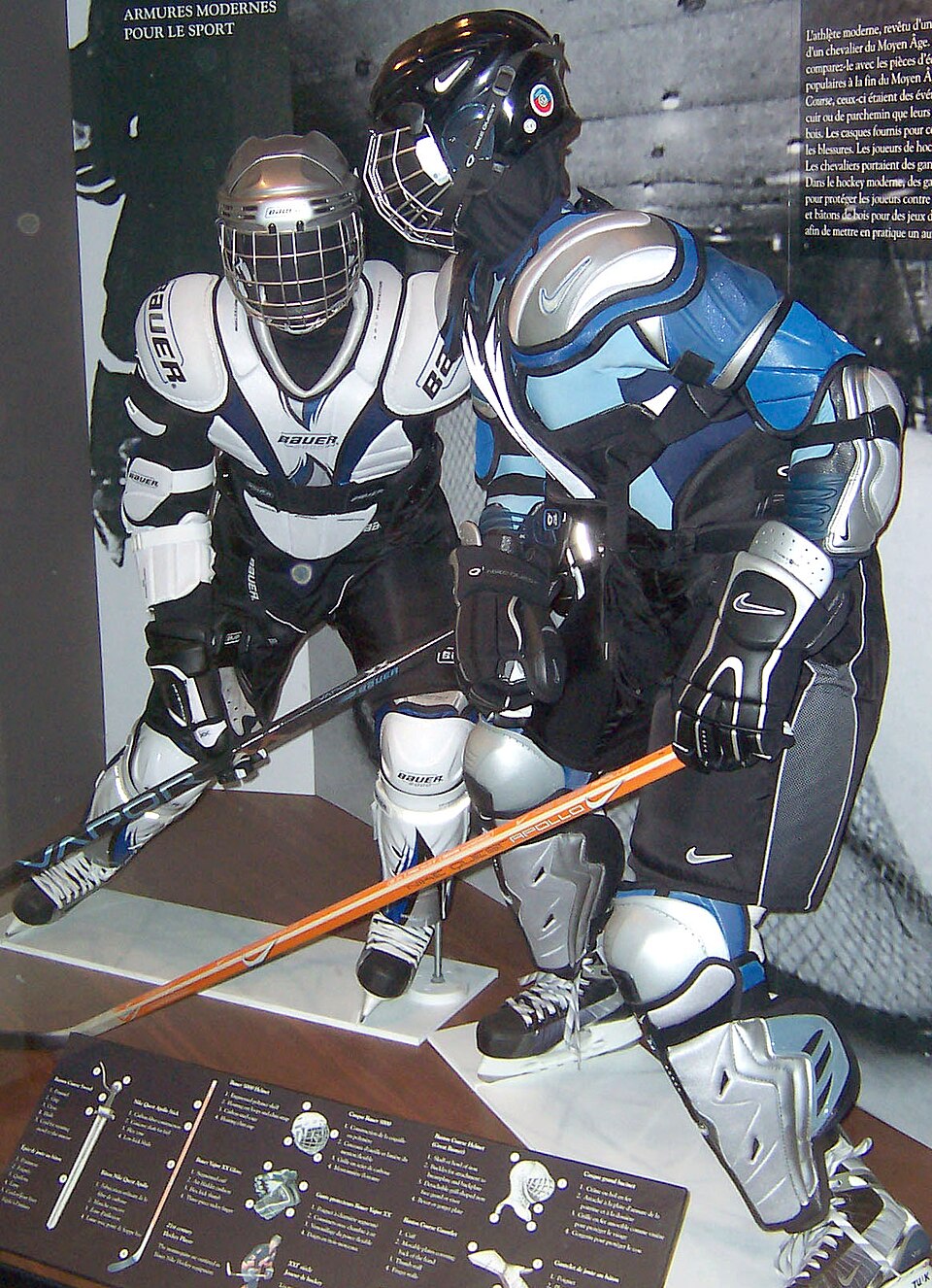
Shared Ancient Roots, Separate Modern Paths
Both field hockey and ice hockey evolved from the same ancient stick-and-ball game traditions, but they developed along distinctly different paths. While sharing common ancestral roots in Egypt, Persia, and other ancient civilizations, field and ice hockey adapted to their specific playing surfaces and cultural contexts. Field hockey maintained closer connections to its grass-based origins, while ice hockey evolved to take advantage of frozen surfaces and indoor arenas.
Despite these shared beginnings, the two sports developed unique rules, equipment specifications, and playing styles that distinguish them today. Field hockey preserved many elements of its outdoor heritage, including larger playing surfaces and continuous flow. Ice hockey embraced the speed and physicality possible on ice, developing specialized equipment and rules that accommodate the faster pace and increased contact inherent to ice-based play.
Field Hockey: Grass-Based Evolution
Field hockey developed as an 11-player-per-side sport played on grass or artificial turf surfaces. Players use curved sticks to control a hard plastic ball, with the objective of scoring goals in a netted cage. The sport became an Olympic event in 1908 and has since grown particularly popular in countries like India, Pakistan, the Netherlands, and Australia. Field hockey emphasizes continuous play, strategic passing, and precise ball control, with rules designed to maintain flow and minimize physical contact.
The sport’s equipment evolved to optimize grass-based performance. Sticks developed specific curvature profiles for optimal ball control on turf surfaces. The hard plastic ball, weighing approximately 5.5 ounces, provides consistent performance across varying weather conditions. Field hockey’s rules prohibit lifting the ball above knee height except when shooting at goal, and body checking is strictly forbidden, maintaining the sport’s emphasis on skill over physical intimidation.
Ice Hockey: Ice-Based Evolution
Ice hockey evolved as a six-player-per-side sport played on ice surfaces, primarily in Canada and northern regions. Players use sticks to control a flat rubber puck, with goals scored in a smaller netted cage than field hockey. Canada became the modern birthplace of organized ice hockey, with the sport developing its own distinct professional leagues and international competitions. Ice hockey features faster gameplay, more physical contact, and different strategic elements compared to field hockey, with rules adapted specifically for ice surface dynamics.
Ice hockey’s equipment reflects its unique playing environment. The flat rubber puck, weighing approximately 6 ounces, slides smoothly across ice surfaces at speeds exceeding 100 miles per hour. Players wear extensive protective gear including helmets, shoulder pads, and padded gloves to accommodate the sport’s physical nature. Ice hockey’s rules permit body checking and fighting under certain conditions, creating a more confrontational style of play that contrasts sharply with field hockey’s emphasis on finesse and continuous flow.
The ancient Egyptian origins of hockey, dating back 4,000 years to tomb paintings at Beni Hassan, represent one of sport’s most remarkable historical continuities. From papyrus fiber balls and palm branch sticks to modern composite equipment and professional leagues, hockey’s journey spans millennia of human athletic development. To explore local hockey history, visit your nearest sports museum or historical society to discover how this ancient game evolved in your region.
