
Proper hockey equipment maintenance can extend gear life by 200-300% and prevent $200-500 in annual replacement costs. Regular cleaning, inspection, and storage protect your investment and ensure safety on the ice.
- Clean gear after every use to prevent bacteria buildup and odor
- Inspect equipment weekly for cracks, compressed foam, and loose parts
- Store in dry, ventilated areas to prevent mold and material degradation
- Follow equipment-specific care routines for skates, helmets, and sticks
How to Clean Hockey Equipment Properly
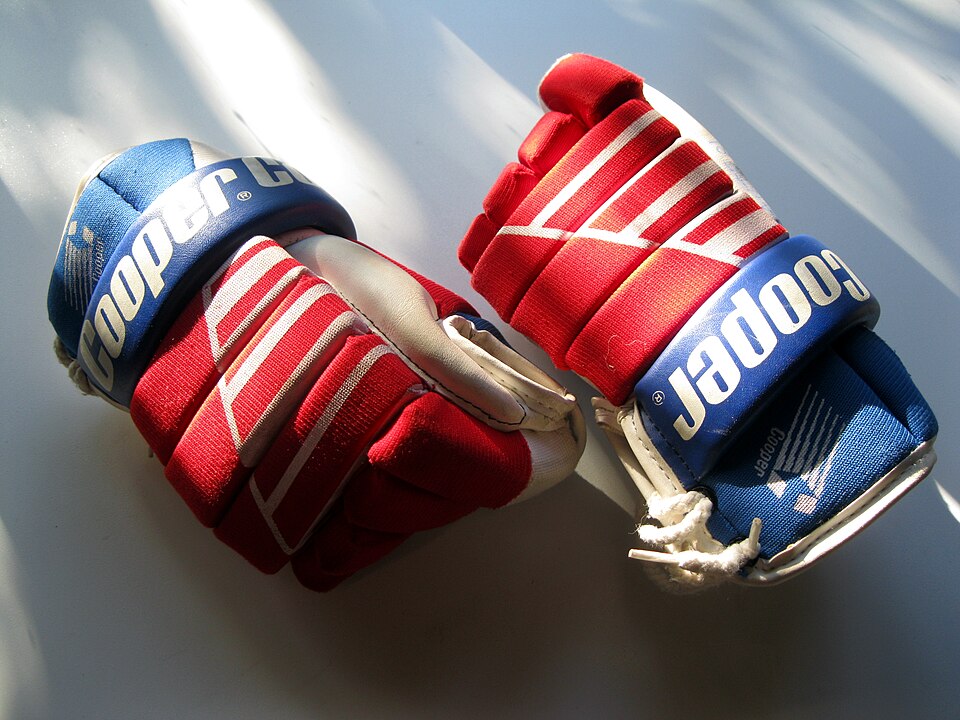
Cleaning your hockey equipment properly is the foundation of gear maintenance. According to www.purehockey.com and SportsEngine, proper cleaning prevents bacteria buildup, eliminates odors, and extends equipment lifespan significantly.
The 45-60 Minute Deep Cleaning Method
The most effective cleaning method involves soaking protective gear in warm water with mild detergent for 45-60 minutes. This deep cleaning process penetrates padding and removes sweat, bacteria, and odors that accumulate during play. Fill a bathtub or large container with warm water, add a gentle detergent, and submerge all protective gear except gloves, skates, and helmets. Let items soak for the full 45-60 minutes to ensure thorough cleaning.
Machine washing is an option for most protective gear, but always use a gentle cycle with cold water. Never use bleach, as it breaks down materials and causes degradation over time. After washing, hang all items to air dry completely. Avoid using dryers, as heat can warp protective equipment and damage padding.
Equipment That Requires Special Cleaning
Some equipment needs different cleaning approaches. Helmets should be hand-washed with a damp cloth and mild soap, then inspected for cracks and loose screws. Skates require special attention – always remove insoles after use and let them dry separately to prevent moisture buildup. Check skate blades for rust and ensure rivets are tight.
Sticks need regular inspection for cracks, especially near the blade and where tape wraps around. Replace tape when it becomes loose or frayed to maintain grip and protect the stick’s surface. The Coquitlam Minor Hockey Association recommends checking stick integrity before each use to prevent equipment failure during play. For players looking to improve their skills, learning advanced stick handling techniques can complement proper equipment maintenance.
Essential Inspection and Maintenance Schedule
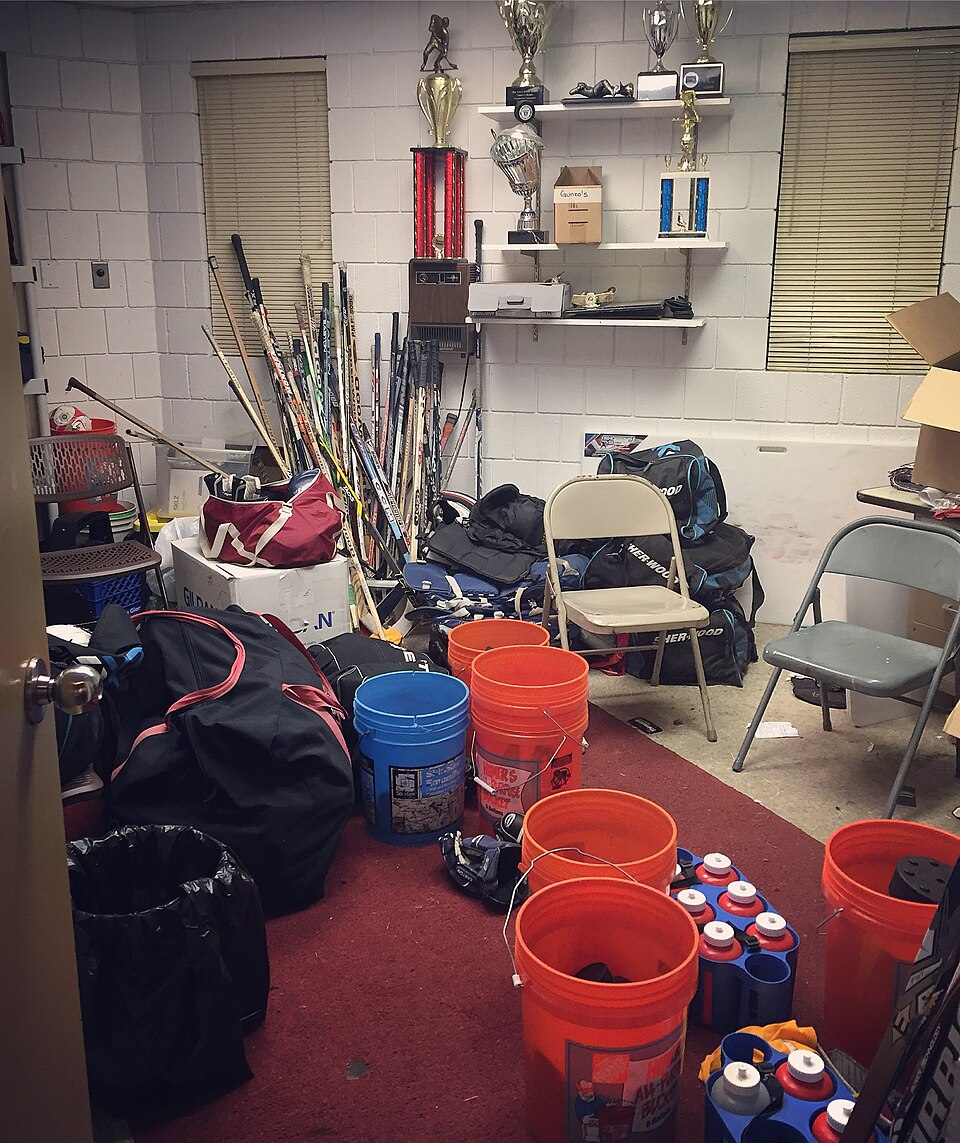
Regular inspection prevents equipment failure and ensures safety. Midcoast Youth Hockey advises weekly checks on equipment, including tightening screws, checking Velcro, and inspecting for cracks in protective shells.
Weekly Equipment Inspection Checklist
Create a weekly inspection routine to catch problems early. Check all screws on helmets, shoulder pads, and other protective gear to ensure they’re tight. Examine Velcro straps for wear and replace them if they no longer grip properly. Inspect protective shells for cracks, especially in elbow pads, shin guards, and shoulder pads.
Look for compressed foam in padding, which indicates the protective material has lost its ability to absorb impact. Check skate blades for nicks and ensure they’re properly sharpened. Examine helmet straps and clips for damage, and verify that all buckles function correctly. The Coquitlam Minor Hockey Association emphasizes that regular inspection prevents costly replacements and ensures player safety.
Signs Your Equipment Needs Replacement
Some wear and tear requires replacement rather than repair. Compressed foam that no longer springs back indicates padding has lost its protective properties. Broken clips, buckles, or straps compromise equipment safety and should be replaced immediately. Loose rivets in skates can cause instability and increase injury risk.
Cracked protective shells, especially in helmets or shoulder pads, create weak points that could fail during impact. If you notice persistent odors even after cleaning, or if equipment feels loose or unstable during use, replacement may be necessary. According to swifthockey.com, replacing worn equipment prevents injuries and maintains performance standards. Teams should also study power play strategies to maximize their effectiveness when equipment is in optimal condition.
Proper Storage to Prevent Odor and Damage
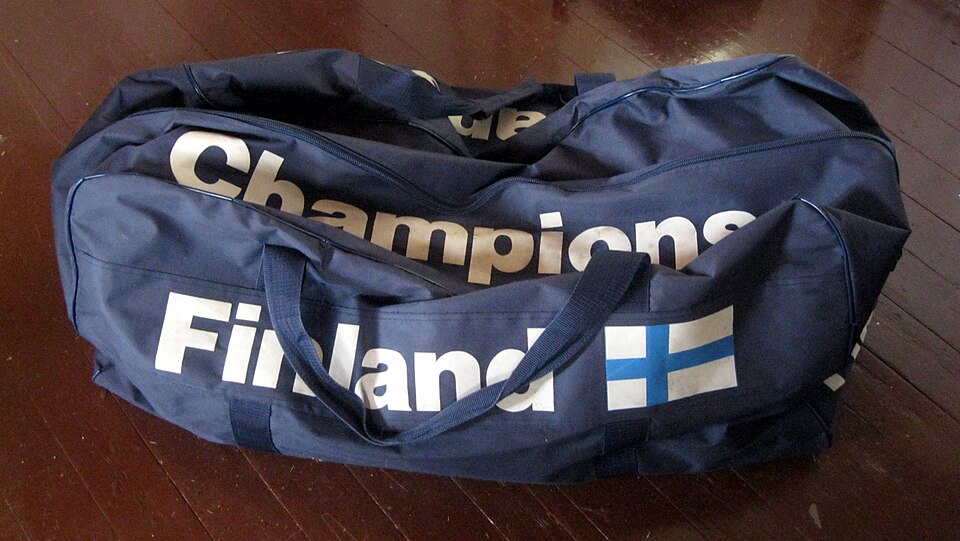
Proper storage is crucial for equipment longevity. Store gear in a dry place with good airflow, using hangers or specialized racks. Door Systems Metro Boston and justagirlandherblog.com recommend mesh equipment bags for transport, as they allow air circulation and prevent moisture buildup.
Creating the Ideal Storage Environment
Designate a specific area for equipment storage with proper ventilation. Use wall-mounted hooks or specialized equipment racks to keep gear off the floor and allow air circulation. Avoid storing equipment in damp basements or unheated garages where temperature fluctuations can damage materials.
Mesh equipment bags are essential for transport, as they prevent moisture from becoming trapped against gear. After games or practices, remove equipment from bags immediately and hang items to dry. Never store damp equipment in closed spaces, as this creates ideal conditions for mold and bacteria growth.
Preventing Odor and Mold Growth
Complete air drying is essential for preventing odor and mold. Hang jerseys, socks, and base layers separately from protective gear to ensure all items dry thoroughly. Use fans or dehumidifiers in storage areas if needed to maintain dry conditions. According to AYCANE, equipment should be completely dry before storage to prevent material breakdown.
Mold and mildew thrive in damp, dark environments. If you notice musty odors or visible mold growth, clean equipment immediately with a vinegar solution or specialized sports equipment cleaner. Replace items that show extensive mold damage, as spores can be difficult to eliminate completely. Proper drying and storage prevent these issues and extend equipment life significantly.
Most players don’t realize that properly maintained equipment actually performs better—sticks flex more consistently, skates provide better edge control, and protective gear absorbs impact more effectively. Start your maintenance routine tonight by setting up a simple drying station with good airflow, and you’ll notice the difference in your next game. Understanding the evolution of hockey can also help you appreciate how equipment design has improved over time.
Frequently Asked Questions About Hockey Equipment Maintenance Tips
How do I clean my hockey equipment properly?
Clean gear with mild soap and warm water, focusing on high-contact areas like gloves and shin guards. Regular cleaning prevents odor buildup and extends equipment life by up to 300% compared to neglected gear.
What is the best way to store hockey equipment?
Store equipment in a dry, ventilated area away from direct sunlight to prevent odor and material damage. Use mesh bags or racks to allow airflow, reducing moisture that can degrade gear over time.
How often should I inspect my hockey gear?
Inspect equipment monthly for wear, cracks, or loose parts. Replace damaged items promptly to maintain safety and performance, avoiding costly replacements that can exceed $200 for major gear pieces.
