
Kent’s field hockey history spans over 125 years, with clubs like Tunbridge Wells (1898), Sevenoaks (1911), and Marden Russets (1921) forming the backbone of the county’s sporting heritage.
Key Takeaway
-
Kent’s oldest hockey clubs date back to the late 19th century, with Tunbridge Wells HC founded in 1898
-
Marden Russets evolved from a post-WWI ladies team to a modern club with 28 junior teams and state-of-the-art facilities
-
Several Kent clubs have achieved national recognition, including Tunbridge Wells’ promotion to England Hockey League in 2023-24
The Founding Era: Kent’s First Hockey Clubs (1890s-1920s)

Tunbridge Wells HC: Founded September 1898 – Kent’s Pioneer Club
Tunbridge Wells Hockey Club holds the distinction of being Kent’s first organized hockey club, founded in September 1898. The club’s inaugural match against Blackheath in October 1898 marked the beginning of structured field hockey in the county. According to historical records from the Kent & Sussex Courier, founding members included Rev Downes-Shaw and Percy Andrews, who established the club during a period when field hockey was gaining popularity across England. The early 20th century saw Tunbridge Wells become a cornerstone of Kent hockey, with the club’s formation predating other major clubs by over a decade. Their pioneering spirit established patterns for club organization, match scheduling, and competitive play that would influence hockey development throughout Kent for generations. The club’s early success attracted players from across the region, creating a competitive environment that raised standards and inspired the formation of new clubs. By 1900, Tunbridge Wells had already established regular fixtures against teams from London and surrounding counties, demonstrating the rapid growth of organized hockey in the area. The club’s first decade saw the development of formal rules, standardized equipment, and the establishment of inter-club competitions that would become the foundation of modern hockey leagues.
Sevenoaks HC and Marden Russets: 1911-1921 Foundations
-
Sevenoaks HC established in 1911 or 1912, making it one of Kent’s earliest hockey clubs and a contemporary of Tunbridge Wells’ early development
-
Marden Russets HC founded in 1921, emerging in the post-World War I era when community sports clubs experienced significant growth
-
Foundational differences: Sevenoaks began as an established town club, while Marden started as a nomadic ladies and mixed team before formalizing
-
Geographic spread: Sevenoaks represented urban Kent’s hockey ambitions, while Marden embodied rural community sports development
-
Historical context: Both clubs formed during periods of social change, with hockey providing structured recreation and community bonding
-
Early challenges: Sevenoaks faced competition from established cricket and rugby clubs, while Marden struggled with limited facilities and funding
-
Community impact: Both clubs became social hubs, organizing dances, dinners, and community events beyond just sporting activities
-
Playing conditions: Early matches were played on uneven fields with basic equipment, contrasting sharply with today’s professional standards
-
Membership growth: Both clubs experienced rapid membership increases in their first decade, reflecting growing popularity of organized sports
-
Cultural significance: Hockey clubs provided important social structures in communities recovering from wartime disruption
Evolution Through the Decades: From Village Teams to Modern Clubs
Post-War Formalization: Men’s and Ladies Teams (1946)
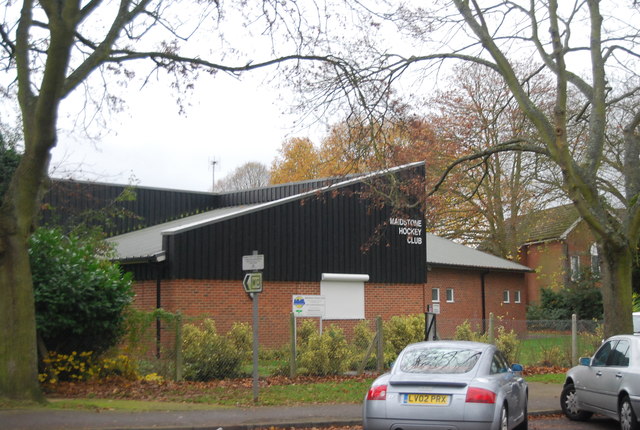
The post-World War II period marked a significant transformation in Kent hockey club structure, with 1946 being a pivotal year for many clubs including Marden Russets. This era saw the formalization of separate men’s and ladies teams, moving away from the mixed-gender play that had characterized earlier decades. The establishment of distinct teams allowed for more specialized coaching, competitive structures, and player development pathways. Marden’s transition in 1946 reflected broader trends across Kent, where clubs recognized the need for organized competition and dedicated training programs. This formalization laid the groundwork for the sophisticated club structures we see today, with dedicated teams, coaching staff, and competitive leagues that have produced generations of players. The post-war period also saw increased investment in facilities, with many clubs upgrading their grounds and clubhouse amenities to accommodate growing membership. Women’s hockey particularly benefited from this formalization, gaining recognition and support that had been lacking in earlier years. The separation of teams also led to the development of women-specific coaching techniques and tactical approaches that have evolved into modern playing styles. This period also saw the establishment of formal league structures, with clubs competing in organized competitions that provided clear pathways for player development and team progression — field hockey club.
Modern Era: Sand-Dressed Pitches and National Success (2010s-2020s)
-
Marden’s facility upgrade: The club invested in new sand-dressed pitches in 2017, providing professional-standard playing surfaces that attract competitive matches and tournaments
-
Tunbridge Wells’ national achievement: The men’s first team earned promotion to England Hockey League for the 2023-24 season, becoming national champions in Tier 2 during April 2023
-
Technological advancement: Modern clubs now utilize video analysis, sports science, and data-driven coaching methods that were unavailable to early 20th-century teams
-
Infrastructure development: Contemporary clubs feature clubhouse facilities, floodlighting, and spectator areas that transform local sports into community events
-
Competitive expansion: Kent clubs now compete in regional and national leagues, with several achieving promotion to higher divisions in recent years
-
Youth development investment: Clubs have established comprehensive junior programs with professional coaching, creating talent pipelines for future success
-
Community engagement: Modern clubs host tournaments, coaching clinics, and school partnerships that extend their impact beyond traditional membership
-
Financial sustainability: Successful clubs have developed diverse revenue streams including sponsorships, facility rentals, and commercial partnerships
-
Professional coaching: The introduction of qualified coaches has raised playing standards and provided structured development pathways
-
International exposure: Modern clubs participate in European competitions and host international teams, raising the profile of Kent hockey
Community Impact: Junior Development and Talent Pathways
Marden’s Junior Revolution: 28 Teams and County Pathways
|
Age Group |
Teams |
Focus Area |
|---|---|---|
|
U6-U8 |
4 |
Fundamental skills and fun games |
|
U9-U11 |
6 |
Skill development and basic tactics |
|
U12-U14 |
8 |
Advanced skills and team play |
|
U15-U18 |
10 |
Competitive play and leadership |
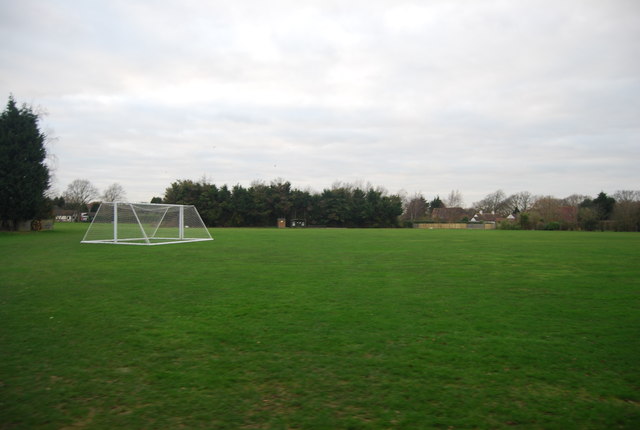
Marden’s junior program, established in the 1980s under the guidance of former England/GB international Jeremy Barham, has grown to encompass 28 teams spanning ages U6 to U18. This comprehensive structure provides clear pathways for young players, with each age group receiving age-appropriate coaching and competitive opportunities. The program’s success is evident in the number of players who progress to county and national representation, demonstrating how local clubs serve as talent incubators for the broader hockey community. The junior revolution represents a fundamental shift in how clubs approach youth development, moving from informal coaching to structured programs with qualified coaches, regular assessments, and clear progression routes. This investment in youth has created a sustainable model where today’s junior players become tomorrow’s senior team members and coaches, ensuring the long-term viability of Kent hockey clubs. The program’s impact extends beyond just producing players, as it creates a community around the club that includes parents, volunteers, and supporters who contribute to the club’s success. The junior program also serves as an important community resource, providing structured activities for young people and promoting healthy lifestyles.
From Local Leagues to National Stage: Success Stories
Kent’s hockey clubs have produced numerous players who have progressed from local leagues to national and international representation. The county’s structured league system, managed by Kent Hockey Association, provides competitive environments where players can develop their skills against quality opposition. Many current and former England internationals began their careers in Kent clubs, benefiting from the strong coaching networks and competitive structures established over decades. The pathway from local club to county trials to national squads remains active, with Kent clubs continuing to identify and nurture talent that reaches the highest levels of the sport. This success demonstrates the effectiveness of the county’s hockey infrastructure in developing players capable of competing at national championships and international tournaments. Notable success stories include players who have represented Great Britain at Olympic Games and World Cups, all of whom credit their local club foundations for their development. The county’s talent identification systems have become increasingly sophisticated, with clubs working closely with county coaches to ensure promising players receive appropriate development opportunities. The success of Kent players at national level has also raised the profile of the county’s hockey clubs, attracting more players and investment to the sport.
Kent’s hockey clubs have evolved from simple village teams to sophisticated sporting institutions, with their century-old foundations continuing to produce national champions and community leaders. The journey from 1898’s pioneering clubs to today’s modern facilities reflects not just sporting progress but the enduring importance of community-based sports in Kent’s social fabric.
