
Field hockey beginners can master fundamental skills through structured drills that build confidence and technique. The right training drills help new players develop proper stance, ball control, and passing accuracy essential for game situations.
- Master fundamental field hockey skills through structured drills that build confidence and technique
- Focus on basic stance, ball control, and passing accuracy before advancing to complex drills
- Practice consistently with proper equipment and safety guidelines for optimal skill development
The Frog Stance and Basic Ball Control
Before starting any field hockey drills, beginners must master the athletic stance that forms the foundation for all skills. The “Frog” stance involves bending your knees, keeping your back straight, and maintaining eyes up to see the field. This position provides balance and quick movement capability. Keep the ball a stick’s length away from your body, not directly under your feet. This positioning allows for better control and reaction time when opponents approach. Practice holding this stance for 30-60 seconds while gently moving the ball side to side with your stick. The proper stance prevents common beginner mistakes like standing too upright or crowding the ball too closely to your body.
Cone Dribbling Drills for Ball Control
- Setup: Arrange 6 cones 2-3 feet apart in a straight line on flat ground
- Technique: Use the Indian dribble method – quick, controlled touches with the flat side of your stick
- Execution: Dribble through cones using both forehand and reverse stick sides
- Progression: Start slow, then increase speed as control improves
- Focus: Keep your head up to develop field awareness while maintaining ball contact
This drill enhances ball control and agility essential for game situations. Beginners should practice for 10-15 minutes daily, focusing on smooth transitions between cones. As skills improve, try zig-zag patterns or reduce spacing between cones to increase difficulty. The cone drill builds muscle memory for quick direction changes during matches.
Passing and Receiving Drills for Skill Development
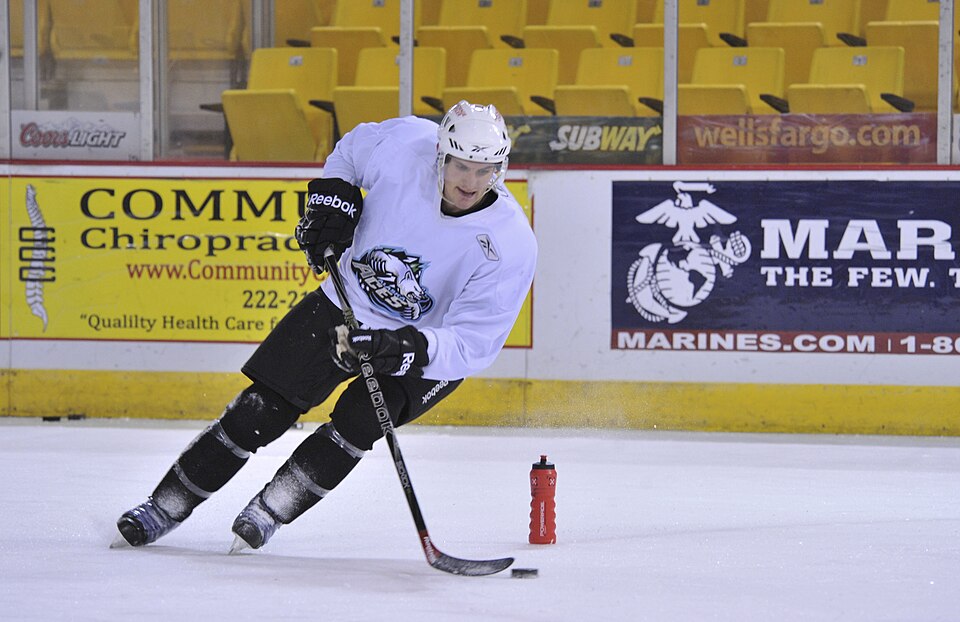
Wall Passing and Receiving Practice
Wall passing develops accuracy and first-touch control critical for field hockey success. Stand 10-15 feet from a solid wall with a flat surface. Use a hockey ball and pass against the wall, aiming for specific spots to improve accuracy. Focus on receiving the rebound with soft hands, controlling the ball immediately. Practice both forehand and reverse stick passes. Start with 20-30 passes per session, gradually increasing as skills improve. This solo drill allows beginners to practice anytime without needing a partner. The wall provides consistent returns, helping develop timing and control. Aim for specific targets on the wall to enhance precision. This drill builds confidence in passing and receiving under pressure.
Two-Player Square Passing Drill
- Setup: Place two cones 10-15 feet apart for each player
- Movement: Players move back and forth between their cones while passing
- Passing types: Practice straight passes and diagonal cross-field passes
- Focus: Pass into space where your partner will move, not where they are
- Progression: Increase distance and speed as accuracy improves
This partner drill develops timing, accuracy, and spatial awareness. Players learn to anticipate movement and pass to where teammates will be, not where they currently stand. Practice for 10-15 minutes with each partner, focusing on clean receptions and accurate deliveries. The square passing drill simulates game situations where players must move while maintaining possession. Communication between partners enhances the drill’s effectiveness.
Basic Defensive and Attacking Skills Drills
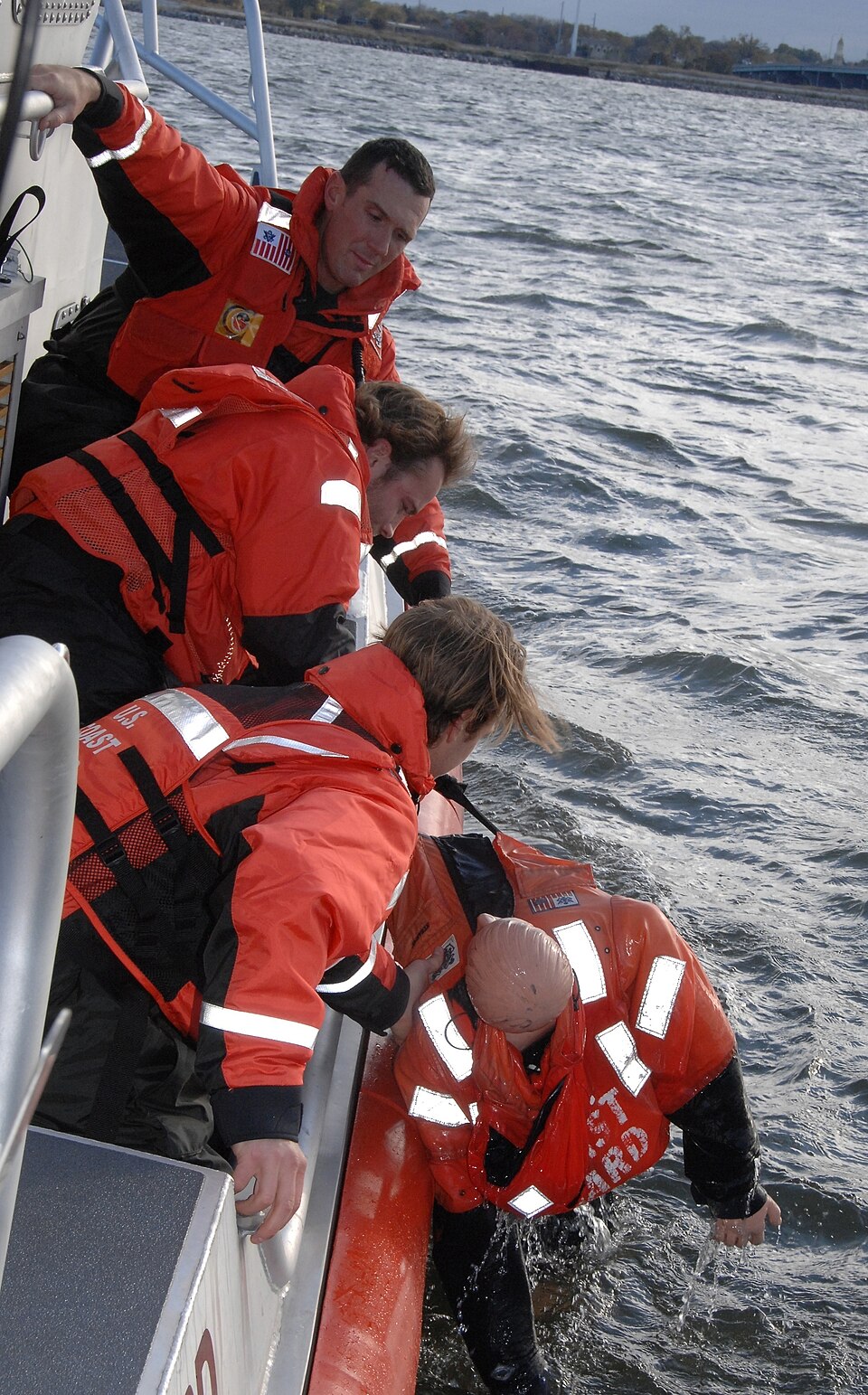
1v1 Defensive Drill (Funneling Technique)
1v1 defensive skills are crucial for beginners learning to protect space and force attackers into less dangerous positions. Pair up with one player defending and the other attacking. The defender works on positioning using a low stance with knees bent and stick flat on the ground. The goal is to force the attacker to one side, creating a “funnel” that limits their options. Defenders should focus on footwork, staying between the attacker and the goal. Attackers practice using “pulls” – quick stick movements to get around defenders. Switch roles after 2-3 attempts to develop both defensive and attacking skills. This drill builds confidence in one-on-one situations common in field hockey.
Shooting Out of a Dodge Drill
- Setup: Place two cones at the top of the shooting circle as “defenders”
- Execution: Dribble toward the cones, dodge around them using quick stick movements
- Shooting: Immediately take a shot on goal while still moving
- Focus: Maintain ball control during the dodge and quick release after
- Progression: Add a goalkeeper or increase dodge complexity as skills improve
This drill combines ball control, dodging, and shooting skills essential for attacking players. The quick transition from dodge to shot simulates game pressure. Practice from different angles and distances to develop versatility. Beginners should focus on maintaining possession through the dodge before attempting the shot. This drill builds confidence in creating and capitalizing on scoring opportunities under pressure.
Field hockey beginners who practice these fundamental drills consistently develop the skills needed for competitive play. The combination of stance work, ball control, passing, and defensive techniques creates a strong foundation. Most players see noticeable improvement within 2-3 weeks of regular practice. For those interested in joining a local field hockey club, Marden Russets Hockey Club offers beginner programs with experienced coaching. Their structured approach helps new players progress from basic drills to game situations. Remember that proper equipment and safety guidelines are essential for effective training. Start with these drills and gradually increase complexity as your confidence grows.
Frequently Asked Questions About Field Hockey Training Drills
What are some field hockey drills?
Dribbling Through Cones improves ball control and agility. Passing and Receiving Against a Wall develops passing accuracy and receiving skills. Shooting Practice with Target enhances shooting precision and power.
What are the 3 P's of hockey?
The '3 Ps of Hockey' commonly refer to Penalties, Power Plays, and Penalty Kills, which are crucial game situations. They can also represent a player development framework like Pace, Poise, and Positioning, emphasizing key skills for performance.
What are the 5 rules of field hockey?
Five key field hockey rules are: players must hit the ball only with the flat side of their stick, cannot use their body (except the goalie in the circle), must avoid obstructing opponents, a goal only counts if scored from within the shooting circle, and dangerous play such as high sticks is penali…
