
Starting ice hockey as a beginner requires understanding the right equipment, fundamental skating skills, and safety protocols. Modern ice hockey originated in Canada in 1875 with the first indoor game played in Montreal, and today’s beginners can benefit from decades of equipment evolution and training techniques.
Key Takeaway
-
Beginner stick length: 28-32 inches for proper control and handling
-
Skate blade radius 8-12 inches provides stability for new skaters
-
Full beginner gear set costs $200-500 for complete protection
-
Modern ice hockey originated in Canada in 1875 with first indoor game in Montreal
Essential Ice Hockey Equipment for Beginners in 2026
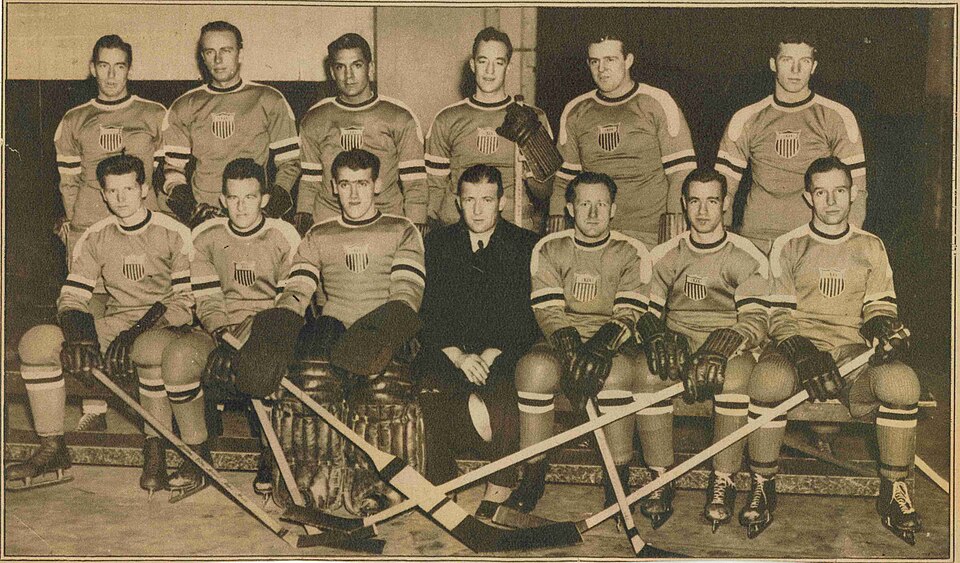
Complete Beginner Gear Checklist and Cost Breakdown
|
Equipment |
Specification |
Cost Range |
Purpose |
|---|---|---|---|
|
Hockey Stick |
28-32 inches length |
$30-80 |
Control and puck handling |
|
Skates |
Blade radius 8-12 inches |
$80-150 |
Stability and mobility |
|
Helmet |
CPSC certified |
$40-100 |
Head protection |
|
Shoulder Pads |
Lightweight design |
$30-60 |
Upper body protection |
|
Elbow Pads |
Adjustable fit |
$20-40 |
Arm protection |
|
Gloves |
Youth size |
$25-50 |
Hand protection |
|
Pants |
Standard fit |
$40-70 |
Lower body protection |
|
Shin Guards |
Full coverage |
$30-50 |
Leg protection |
|
Jersey |
Standard cut |
$20-40 |
Team identification |
|
Socks |
Moisture-wicking |
$10-20 |
Comfort and warmth |
|
Mouthguard |
Custom fit |
$10-25 |
Oral protection |
Budget considerations for beginners include prioritizing essential protective gear over premium stick options. A complete beginner setup costs $200-500, with skates and helmet representing the largest investments. Used equipment from reputable sources can reduce costs by 30-50% while maintaining safety standards. Many hockey shops offer beginner packages that bundle essential items at discounted rates.
Equipment sizing is crucial for new players. Sticks should reach between the chin and nose when standing in skates. Skates require a snug fit with minimal heel lift – about a finger’s width of space at the back when pushing toes forward. Protective gear should allow full range of motion without gaps that expose skin to potential impacts.
2026 Equipment Trends and Safety Standards
Recent updates from NHL and USA Hockey emphasize enhanced protective features in 2026 equipment. CCM has introduced lighter composite materials that maintain durability while reducing fatigue for new players. Updated mouthguard standards now require better impact absorption, and equipment manufacturers are incorporating antimicrobial treatments to address hygiene concerns in shared gear. For the latest rule changes affecting equipment requirements, see the 2026 Hockey Rules Updates: What Every Player Needs to Know.
Safety equipment has evolved to include improved ventilation systems in helmets and moisture-wicking liners in protective pads. The Stanley Cup’s long history demonstrates how equipment standards have progressed from basic leather and wood to today’s high-tech composite materials. Beginners should look for equipment meeting current safety certifications rather than older models, even if they appear to be good deals.
2026 trends show increased focus on sustainability, with some manufacturers using recycled materials in padding and offering trade-in programs for old equipment. Smart technology integration is emerging, with some high-end gear including impact sensors that can alert coaches to potential concussions.
Learning to Skate: First Steps for Ice Hockey Beginners
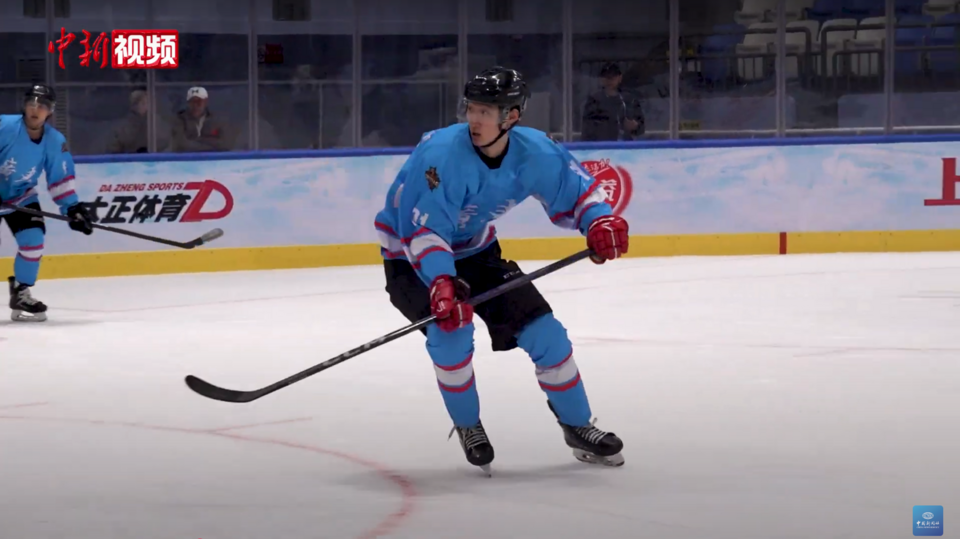
Fundamental Skating Techniques for New Players
-
Basic Balance: Start with knees slightly bent and weight centered over skates. Practice standing still on ice for 30 seconds before attempting movement. Keep arms slightly out for balance.
-
Forward Stride: Push off with inside edge of blade, extending leg fully. Alternate legs in smooth, controlled motions rather than short choppy steps. Focus on pushing backward and outward at a 45-degree angle.
-
Stopping Technique: Learn the snowplow stop by turning toes inward and applying pressure to inside edges. This provides the most control for beginners. Practice at slow speeds before increasing velocity.
-
Turning: Use crossover steps where one foot crosses over the other. Practice wide turns before attempting sharp directional changes. Keep your head up and look where you want to go.
-
Backward Skating: Start with a basic backward stride, pushing outward and backward with alternating feet. Keep knees bent and maintain a low center of gravity.
-
Common Mistakes: Avoid leaning too far forward, which causes falls, and don’t keep blades too close together, which reduces stability. Many beginners also look down at their feet, which throws off balance.
Basic skills like dribbling, receiving/trapping, passing, and tackling form the foundation for ice hockey. These skills transfer from field hockey but require adaptation for ice surface conditions. Beginners should practice each skill separately before combining them in game-like situations. For example, practice stopping and starting in a straight line before adding turns or puck control. To master these fundamental abilities, players can study advanced stick handling techniques that build on basic skills.
Skating development typically follows a progression: balance and basic movement, forward skating, stopping, turning, backward skating, and finally advanced techniques like crossovers and quick starts. Each stage should be mastered before moving to the next. Most beginners need 10-15 hours of ice time to feel comfortable with basic skating before adding a stick and puck.
Speed Development and Acceleration Training
Acceleration training focuses on explosive starts and quick directional changes. Short burst sprints of 10-15 seconds followed by 30-second recovery periods build the anaerobic capacity needed for hockey’s stop-and-go nature. Practice starts from a stationary position, emphasizing the first three strides as the most critical for gaining speed.
Off-ice preparation includes balance exercises on unstable surfaces like balance boards, which strengthen ankle muscles crucial for skating stability. Jump rope training improves foot speed and coordination, while lateral shuffle drills enhance side-to-side movement capabilities. These exercises should be performed 2-3 times weekly during the off-season to build foundational athleticism. For comprehensive strength and conditioning programs, consult Off-Season Hockey Training: Building Strength and Endurance resources.
Age considerations affect training intensity – younger players (under 14) should focus on technique and fun rather than speed metrics, while teens can handle more structured interval training. The question of starting at 14 suggests that late beginners can still develop competitive skills with dedicated practice, though they may need to focus more on skating fundamentals initially.
Strength training for beginners should emphasize bodyweight exercises like squats, lunges, and planks rather than heavy weights. Core strength is particularly important for hockey players, as it improves balance and power transfer during skating. Flexibility work, especially for hips and groin, helps prevent common hockey injuries.
Ice Hockey Safety and Position Guidelines for New Players
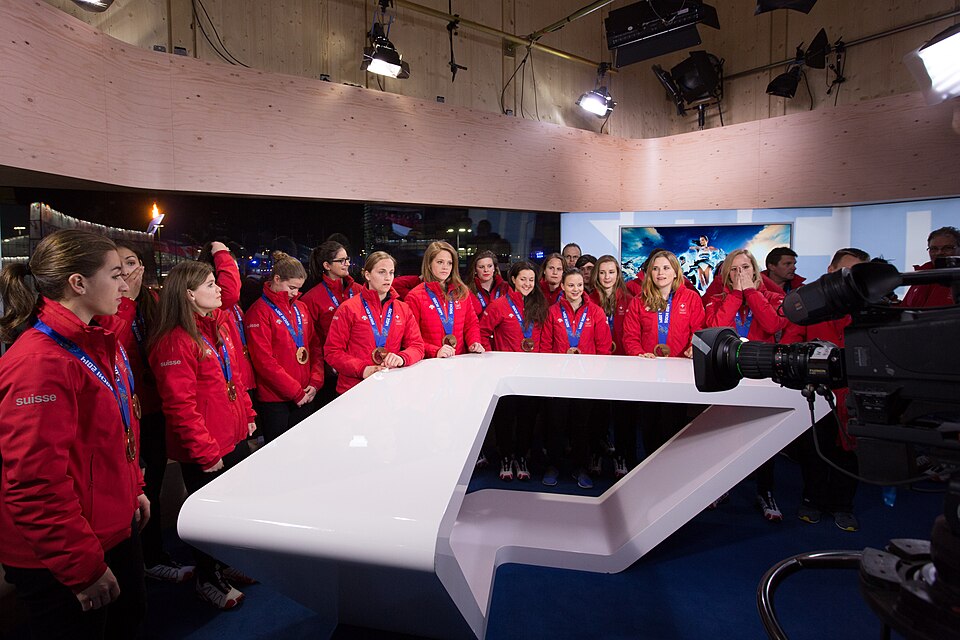
Safety Equipment and Injury Prevention
-
Helmet with Cage: Protects against puck impacts and stick contact. Must fit snugly without pressure points. Look for HECC or CSA certification stickers.
-
Mouthguard: Essential for preventing dental injuries and reducing concussion risk. Custom-fit options provide better protection than boil-and-bite versions. Some models include breathing channels for easier respiration.
-
Shoulder Pads: Should cover collarbone and upper chest without restricting arm movement. Youth models are lighter but still provide adequate protection for beginners.
-
Elbow Pads: Protect against falls and collisions. Look for models with reinforced caps and adjustable straps to prevent slipping during play.
-
Gloves: Provide hand protection while maintaining stick feel. Youth sizes ensure proper fit. Look for adequate padding on the back of the hand and wrist.
-
Pants: Cover hips, thighs, and lower back. Should allow full range of motion. Internal belt systems help keep them in place during active play.
-
Shin Guards: Extend from skate top to just below knee. Must stay in place during movement. Look for models with adjustable calf straps.
-
Neck Guard: Recommended for youth players to protect against skate blade injuries. Some leagues now require them for all players under 18.
-
Warm-up Routine: Include 10-15 minutes of dynamic stretching focusing on legs, hips, and core before ice time. Follow with light skating to elevate heart rate.
Mandatory protective equipment changes for 2026 include enhanced face mask requirements and updated mouthguard standards. USA Hockey now recommends additional neck protection for youth players, and equipment manufacturers are developing lighter materials that don’t compromise safety. Proper equipment fit is crucial – ill-fitting gear can cause injuries or restrict movement.
Injury prevention extends beyond equipment. Proper hydration is essential, as dehydration can lead to cramps and decreased reaction time. Beginners should learn to recognize signs of fatigue and take breaks when needed. Most hockey-related injuries occur in the third period or late in games when players are tired.
Common beginner injuries include sprained ankles, bruised shins, and shoulder separations. These often result from falls or collisions with boards. Learning proper falling techniques can reduce injury risk – try to land on the larger muscles of your thighs or buttocks rather than extending arms to break falls.
Position Selection and Age-Appropriate Guidance
Position selection for beginners often depends on skill level and physical attributes. Weaker players typically find success on the right side as defense or midfield, where positioning matters more than speed. Left side positions (attack) generally suit more aggressive, offensively-minded players who can handle the puck under pressure. Understanding offensive tactics can help players make informed decisions about position selection, including studying hockey strategy concepts.
Age considerations play a significant role in development timelines. Players starting at 14 can still achieve competitive levels with focused training, though they may need to compensate for lost development time through additional practice. Younger players (8-12) should focus on skating fundamentals and basic positioning rather than specialized position training.
Physical attributes influence position suitability – taller players often excel as defense due to reach advantages, while quicker players may prefer forward positions. However, beginners should try multiple positions before specializing, as skills learned in one position often transfer to others. The key is finding where a player feels most comfortable and can contribute effectively to team play.
Team dynamics also affect position choices. Some players naturally take leadership roles and may gravitate toward positions like center or defense where they can direct play. Others prefer following instructions and might enjoy wing positions where they can focus on executing specific tasks.
Skill development varies by position. Forwards typically need better stick handling and shooting skills, while defensemen require stronger skating and passing abilities. Goalies need specialized training in angles and positioning. Beginners should understand these differences when choosing positions, but shouldn’t feel locked into one role permanently.
The most surprising finding for new players is how much ice hockey equipment has evolved since the sport’s origins in 1875 Montreal. From wooden sticks and basic leather pads to today’s high-tech composite gear, the game has transformed dramatically while maintaining its core excitement. The one actionable step for beginners is to invest in properly fitted equipment before focusing on advanced skills – good protection builds confidence, and confident players learn faster.
