
Hockey penalties can make or break a game, with consequences ranging from a 2-minute disadvantage to immediate ejection. Understanding penalty types, durations, and referee signals is essential for players, coaches, and fans to fully grasp the strategic impact of fouls in both ice and field hockey.
Key Takeaway
-
Ice hockey penalties range from 2-minute minors to 5-minute majors and match penalties with ejection
-
Field hockey uses green, yellow, and red cards for personal fouls with free hits and penalty corners as consequences
-
Referee signals communicate penalties instantly to players and spectators in both sports
-
Teams play shorthanded during minor and major penalties in ice hockey, affecting game strategy
-
The severity and location of fouls determine penalty type in field hockey
Ice Hockey Penalty Types and Durations Explained
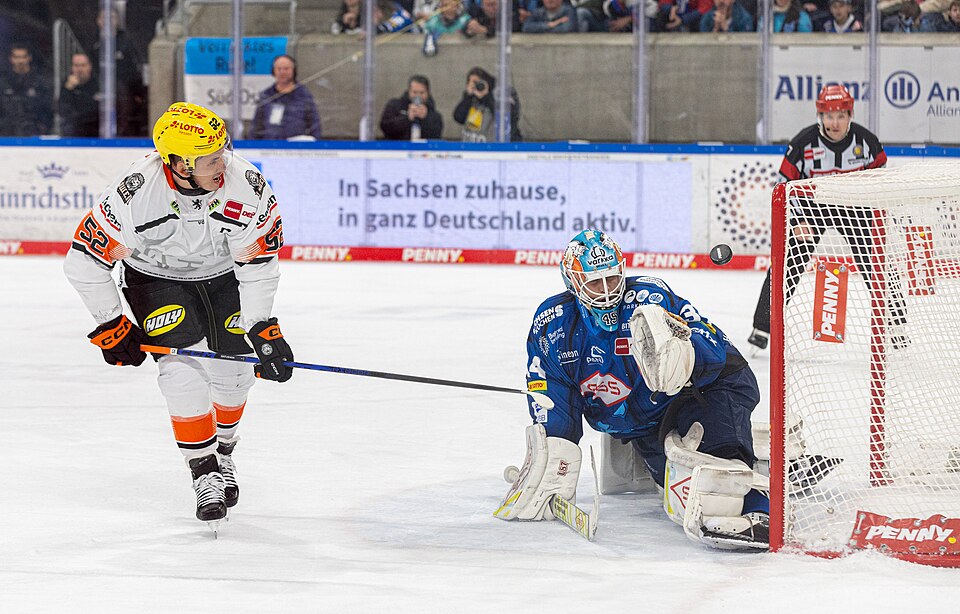
Ice hockey penalties are enforced by sending the offending player to a penalty box for a set number of minutes, creating power-play opportunities for the opposing team. The duration and type of penalty directly impact game strategy, as teams must play shorthanded while their teammate serves time in the box.
Minor, Double-Minor, and Major Penalty Durations
|
Penalty Type |
Duration |
Shorthanded Play |
Common Fouls |
|---|---|---|---|
|
Minor |
2 minutes |
Yes |
High-sticking, holding, hooking, tripping |
|
Double-Minor |
4 minutes |
Yes |
Blood-drawing high-sticking, major boarding |
|
Major |
5 minutes |
Yes |
Fighting, boarding, spearing, charging |
|
Misconduct |
10 minutes |
No |
Unsportsmanlike conduct, verbal abuse |
|
Game Misconduct |
Ejection |
No |
Gross misconduct, match penalty |
|
Match Penalty |
Ejection + 5 min |
Yes |
Intent to injure, deliberate injury |
Shorthanded play creates significant strategic challenges for penalized teams. When a team loses a player to the penalty box, they must defend with four skaters instead of five, giving the opposing team a power play advantage. This numerical disadvantage often leads to increased scoring chances and forces the shorthanded team to adopt a more defensive, conservative playing style. Teams typically employ penalty-killing strategies that focus on blocking shooting lanes, clearing the puck, and forcing turnovers to minimize the power play team’s time with possession.
Common Ice Hockey Fouls and Their Penalties
-
High-sticking – Striking an opponent with the stick above shoulder level, resulting in a minor penalty (2 min) or major penalty (5 min) if blood is drawn
-
Holding – Impeding an opponent’s progress by grabbing or restraining them with hands or stick, typically a minor penalty (2 min)
-
Hooking – Using the stick to impede an opponent’s progress by hooking or tugging, usually a minor penalty (2 min)
-
Tripping – Using the stick, body, or skate to cause an opponent to fall, generally a minor penalty (2 min)
-
Too many men on the ice – Having more than the allowed number of players on the ice during play, a bench minor penalty (2 min)
-
Fighting – Engaging in physical altercation with an opponent, resulting in a major penalty (5 min) for each participant
-
Boarding – Checking an opponent violently into the boards from behind, typically a major penalty (5 min) or match penalty
-
Spearing – Jabbing an opponent with the stick blade, usually a major penalty (5 min) or match penalty
-
Charging – Taking excessive strides or launching into an opponent, generally a major penalty (5 min)
-
Checking from behind – Hitting an opponent who is not aware of the impending contact, typically a major penalty (5 min) or match penalty
-
Butt-ending – Jabbing an opponent with the butt end of the stick, usually a major penalty (5 min) or match penalty
The severity of these fouls determines the penalty duration, with more dangerous or intentional actions resulting in longer penalties or ejections. Players must understand that aggressive play is part of hockey, but crossing the line into dangerous or unsportsmanlike conduct carries significant consequences that can shift momentum and affect game outcomes.
Field Hockey Penalty System and Fouls
Field hockey operates under a non-contact sport framework with strict rules designed to ensure safety and fair play. Unlike ice hockey’s penalty box system, field hockey uses a card system where umpires issue colored cards to penalize players for various infractions, with consequences ranging from warnings to permanent removal from the game.
Card System: Green, Yellow, and Red Card Penalties
The field hockey card system functions as a progressive disciplinary measure, with each color representing escalating levels of punishment. Green cards serve as official warnings for minor infractions, while yellow cards result in temporary suspension from play. Red cards represent the most severe penalty, leading to immediate ejection from the game and often additional suspension in tournament play.
Green cards are typically issued for first-time offenses or minor rule violations such as delaying the game, improper equipment, or dissent toward officials. These cards serve as formal warnings without any time penalty, allowing players to continue participating while understanding they’ve crossed a disciplinary line.
Yellow cards result in a minimum 5-minute suspension from the field, during which the team must play with one fewer player. This suspension can be extended based on the severity of the offense or the umpire’s discretion. Common offenses leading to yellow cards include repeated minor infractions, dangerous play, or intentional obstruction that doesn’t warrant immediate ejection.
Red cards are issued for serious offenses such as violent conduct, deliberate dangerous play, or gross misconduct. Players receiving red cards are immediately removed from the game and cannot be replaced, forcing their team to play with one fewer player for the remainder of the match. Additionally, red card recipients often face automatic suspension from subsequent games, depending on the competition’s rules and the nature of the offense.
This card system differs significantly from ice hockey’s penalty box approach, as field hockey doesn’t have a designated penalty area where players serve time. Instead, the consequences are immediate and affect team composition directly, creating strategic challenges similar to ice hockey’s shorthanded situations but without the physical separation of the penalty box.
Free Hits, Penalty Corners, and Penalty Strokes
-
Free hits – Awarded for most fouls outside the shooting circle, allowing the non-offending team to restart play from the spot of the foul with opponents at least 5 yards away
-
Penalty corners – Given for fouls within the shooting circle or deliberate fouls preventing goal-scoring opportunities, involving a set play with attackers positioned outside the circle
-
Penalty strokes – Awarded for deliberate fouls that prevent certain goals, giving one player a one-on-one opportunity against the goalkeeper from the penalty spot
The location and severity of fouls determine which penalty type is awarded. Minor infractions outside the shooting circle typically result in free hits, while fouls within the circle or those preventing clear scoring chances lead to penalty corners or strokes. Dangerous play, such as lifting the ball within 5 meters of an opponent or playing the ball dangerously above shoulder height, can result in any of these penalties depending on the specific circumstances and location of the foul.
Field hockey’s emphasis on safety is reflected in rules about dangerous play. Lifting the ball within 5 meters of an opponent is considered dangerous and results in a free hit for the opposing team. Similarly, undercutting the ball or playing it in a manner that creates danger to other players is penalized to maintain the sport’s non-contact nature and protect player safety.
Referee Signals and Penalty Communication
Effective communication between officials and players is crucial for maintaining game flow and ensuring all participants understand the penalties being assessed. Both ice hockey referees and field hockey umpires use standardized hand signals to communicate penalties, fouls, and game situations to players, coaches, and spectators.
Ice Hockey Referee Signals for Common Penalties
|
Penalty Type |
Hand Signal Description |
Visual Cue |
|---|---|---|
|
High-sticking |
Both hands on forehead, palms facing body |
Mimics stick above shoulders |
|
Holding |
Fist clenched with other hand pulling downward |
Represents grabbing motion |
|
Hooking |
Both hands in front, hooked at wrists |
Shows hooking motion with stick |
|
Tripping |
Strike leg with hand palm down |
Indicates leg being tripped |
|
Boarding |
Clenched fists striking boards |
Shows violent board contact |
|
Fighting |
Punch air with both fists |
Represents punching motion |
|
Spearing |
Jabbing motion with one hand |
Shows stabbing motion |
|
Too many men |
Rotate clenched fists around each other |
Indicates excess players |
|
Delay of game |
Crossed arms with closed fists |
Shows intentional delay |
|
Cross-checking |
Both hands in front, hands apart |
Represents cross-check motion |
Referee signals serve multiple purposes beyond simply indicating penalties. They provide immediate visual confirmation to players about what infraction occurred, helping them understand why a penalty was called and what behavior to avoid in the future. For spectators, these signals enhance the viewing experience by making the game more transparent and educational, allowing fans to follow the action and understand the flow of penalties throughout the match.
The timing and execution of signals are also important aspects of officiating. Referees typically signal penalties immediately after the infraction occurs, pointing to the offending player and indicating the specific penalty. The head referee then communicates the penalty details to the penalty box attendant and the game announcer, ensuring accurate recording and public announcement of the infraction.
Field Hockey Umpire Signals and Card Displays
Field hockey umpires use a combination of hand signals and card displays to communicate penalties and game situations. Unlike ice hockey’s extensive signal system, field hockey signals are more focused on indicating specific situations like free hits, penalty corners, and penalty strokes, with card displays serving as the primary method for communicating personal penalties.
For free hits, umpires point one arm in the direction of the team awarded the free hit, with the other arm extended horizontally to indicate the location of the foul. This signal helps players understand where play will restart and which direction the attacking team will advance.
Penalty corners are signaled by the umpire raising both arms above their head and rotating them in a circular motion, creating a distinctive visual cue that alerts players and spectators to the upcoming set play. The umpire then points to the specific location where the penalty corner will be taken, ensuring all players understand the exact restart point.
Penalty strokes are indicated by the umpire pointing to the penalty spot with one arm while raising the other arm vertically above their head. This signal clearly identifies the one-on-one situation between the attacking player and the goalkeeper that will follow.
Card displays are perhaps the most recognizable aspect of field hockey officiating. Green cards are shown by holding the card horizontally at waist level, yellow cards are displayed similarly but with a more deliberate motion, and red cards are shown by holding the card vertically above the head. These card displays immediately communicate the severity of the penalty to all participants and spectators, with red cards creating a particularly dramatic moment as they signal a player’s ejection from the game.
The card system in field hockey provides a clear escalation path for penalties, with each color representing a specific level of disciplinary action. This system allows umpires to maintain control of the game while providing players with clear feedback about their conduct and the consequences of their actions.
The most surprising aspect of hockey penalties is how dramatically they can shift game momentum. A well-timed penalty kill in ice hockey or successful defense during a yellow card suspension in field hockey can energize a team and swing the psychological advantage. Understanding penalty types and consequences isn’t just about knowing the rules—it’s about recognizing how these infractions create strategic opportunities and challenges that can determine the outcome of close matches. Players who master penalty awareness and discipline often become invaluable assets to their teams, as they can maintain aggressive play while avoiding costly infractions that could cost their team the game.
