
Hockey‘s Olympic journey began in 1920 Antwerp Summer Games before moving to Winter Olympics in 1924, establishing a legacy that spans over a century of international competition and cultural significance.
Key Takeaway
-
Hockey’s Olympic journey began in 1920 Antwerp Summer Games before moving to Winter Olympics in 1924
-
Canada dominated early years with six of first seven gold medals, followed by Soviet Union’s 1956-1988 supremacy
-
1980 Miracle on Ice remains the greatest upset in Olympic history, with USA defeating Soviet Union
-
Women’s hockey debuted in 1998 Nagano, with USA and Canada dominating the era
-
NHL players returned for 2026 Milano Cortina after skipping 2018 and 2022 editions
The Origins: From 1920 Antwerp to 1924 Chamonix
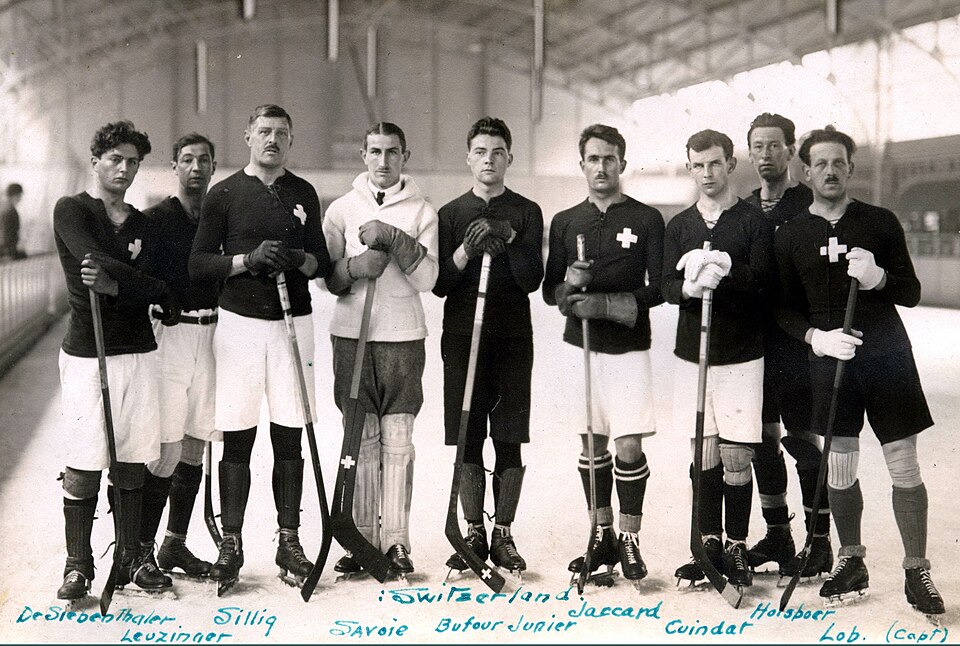
1920 Antwerp Summer Games: Hockey’s Olympic Debut
Ice hockey made its Olympic debut at the 1920 Antwerp Summer Games in an unprecedented summer setting that featured seven teams competing on outdoor ice rinks. Canada won the first Olympic gold medal in hockey, establishing early dominance that would define the sport’s early years. The tournament included teams from Canada, USA, Czechoslovakia, Sweden, Switzerland, France, and Belgium, with Canada defeating Sweden 12-1 in the final to claim gold. This summer debut was particularly notable as it occurred before the Winter Olympics existed, making it a unique chapter in Olympic history where hockey was played alongside track and field events rather than winter sports. The tournament format featured a round-robin competition where teams played multiple games, and Canada’s dominance was immediately apparent as they outscored opponents 29-1 in three games. The unusual summer timing meant players competed in warm weather conditions, creating a stark contrast to the winter conditions that would later define Olympic hockey. This inaugural tournament set the stage for hockey’s permanent move to the Winter Olympics and established Canada as the sport’s early superpower.
1924 Chamonix: Birth of Winter Olympic Hockey
The 1924 Chamonix Winter Games established hockey as a permanent Winter Olympic sport, marking the beginning of the modern Olympic hockey era. Canada won gold again, beginning a streak of six victories in seven tournaments that would cement their early dominance in the sport. The tournament featured eight teams competing in the French Alps, with Canada defeating the United States 6-1 in the final. Outdoor ice rinks were used until 1960, creating unique playing conditions where weather and temperature significantly impacted gameplay. This transition from summer to winter competition established the format that continues today, with hockey becoming one of the most popular Winter Olympic sports. The 1924 tournament expanded the field and introduced the competitive structure that would evolve over subsequent decades. Canada’s continued success established them as the dominant force, winning gold in 1924, 1928, 1932, 1948, 1952, and 1960, with their only loss coming to the United States in 1960 when the Americans won gold on home ice in Squaw Valley. This era of Canadian dominance lasted for 40 years and established hockey as a cornerstone of Winter Olympic competition.
The Cold War Era: Soviet Domination and Miracle on Ice
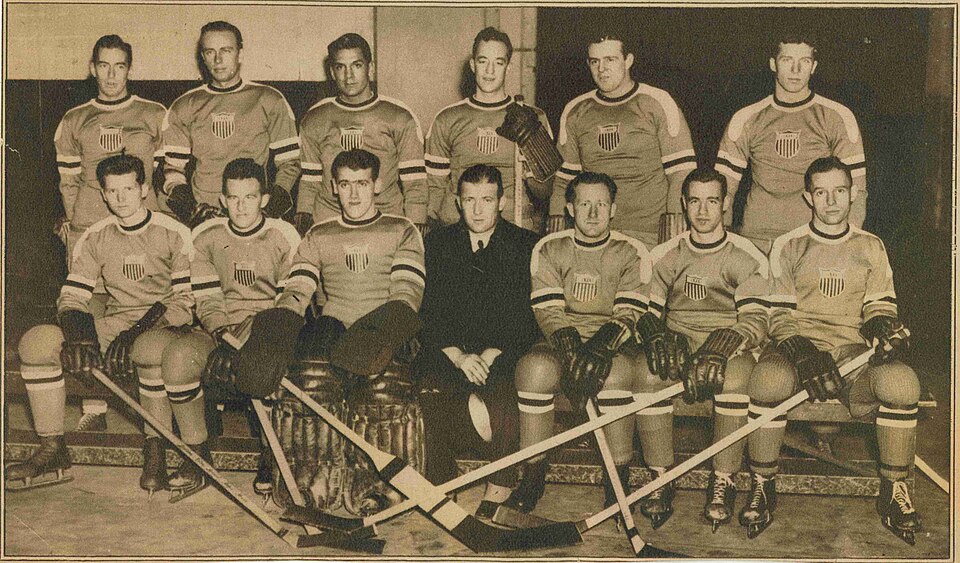
1956-1988: Soviet Union’s Hockey Empire
-
Soviet Union entered Olympic hockey in 1956 and won seven of nine tournaments, establishing unprecedented dominance that transformed the sport’s competitive landscape
-
The USSR’s state-sponsored ‘full-time amateur’ system created unbeatable teams by providing players with military or industrial jobs while allowing full-time training, giving them a significant advantage over other nations
-
Canada went 50 years without gold (1952-2002) during Soviet dominance, highlighting the shift in global hockey power and the effectiveness of the Soviet training system
-
Soviet teams won gold in 1956, 1964, 1968, 1972, 1976, 1984, and 1988, losing only to USA (1960) and Canada (1968), demonstrating remarkable consistency over three decades
-
The Soviet hockey program produced legendary players like Vladislav Tretiak, considered the greatest goaltender in hockey history, and Valeri Kharlamov, whose speed and skill revolutionized offensive play
-
1972 Summit Series against Canada showcased Soviet hockey’s superiority and sparked a new era of international competition that elevated the sport globally
-
The Soviet system’s success influenced hockey development worldwide, leading to improved training methods and tactical innovations that benefited the entire sport
1980 Lake Placid: The Miracle on Ice
The 1980 Lake Placid Olympics produced the greatest upset in Olympic history when the USA amateur team defeated the Soviet Union 4-3 in the semifinals. The ‘Miracle on Ice’ became one of the most iconic moments in sports history, symbolizing Cold War tensions and American underdog triumph. The Soviet team had won the previous four Olympic gold medals and was heavily favored, having defeated the USA 10-3 in an exhibition game just weeks before the Olympics. USA went on to win gold, defeating Finland in the final, and ending Soviet dominance in that tournament. This victory transcended sports, becoming a cultural phenomenon that boosted American morale during a difficult period of economic recession and international tension. The game featured dramatic moments including Mike Eruzione’s game-winning goal with 10 minutes remaining and Jim Craig’s outstanding goaltending performance. The victory inspired a generation of American hockey players and remains one of the most-watched sporting events in U.S. television history. The cultural impact extended far beyond hockey, becoming a symbol of American resilience and the possibility of overcoming seemingly insurmountable odds. The game’s significance was amplified by the political context of the Cold War, making it not just a sporting event but a moment of national pride and unity.
Modern Era: Professionalism and Women’s Hockey

1998 Nagano: NHL Players and Women’s Debut
|
Milestone |
Impact |
Results |
|---|---|---|
|
NHL Player Participation |
First time professional players competed in Olympics |
Enhanced competition level and global viewership |
|
Women’s Hockey Debut |
Introduced women’s competition to Olympics |
USA won inaugural gold medal |
|
Tournament Format |
Expanded to 12 men’s teams and 6 women’s teams |
Increased global participation |
|
Canada’s Women’s Success |
Won most women’s tournaments since 1998 |
4 gold medals, establishing women’s hockey dynasty |
|
1998 USA Women’s Gold |
First women’s Olympic hockey champion |
Defeated Canada 3-1 in gold medal game |
2026 Milano Cortina: NHL’s Return and USA’s Triumph
NHL players returned for 2026 Milano Cortina after skipping 2018 and 2022 editions, marking a significant shift in Olympic hockey format. USA men defeated Canada for gold, their third Olympic title, in a tournament that featured the highest level of professional talent since 1998. The women’s hockey continues the USA-Canada rivalry with both nations dominating the era, though Canada has won the most recent tournaments. This latest chapter demonstrates how Olympic hockey has evolved from amateur competition to featuring the world’s best professional players, while maintaining the intense national rivalries that have defined the sport since its Olympic debut. The return of NHL players has elevated the competition level and global interest in Olympic hockey to new heights. The 2026 tournament featured dramatic moments including the USA-Canada gold medal game, which drew record viewership and showcased the sport’s continued growth. The women’s tournament has seen increasing parity, with European nations improving and challenging the traditional North American dominance. The evolution of Olympic hockey reflects broader changes in the sport, including improved training methods, tactical sophistication, and global talent development. The 2026 games also highlighted the sport’s ability to adapt to changing circumstances, including COVID-19 protocols and environmental considerations in venue selection.
The most surprising finding in Olympic hockey history is that the sport debuted at the Summer Olympics in 1920 before moving to Winter Games in 1924, creating a unique chapter where hockey was played alongside track and field events. For hockey fans looking to understand the sport’s Olympic evolution, exploring the complete history from 1920 to 2026 provides essential context for appreciating current competitions and rivalries. The sport’s journey from amateur beginnings to professional showcase demonstrates hockey’s remarkable growth and enduring appeal on the world’s biggest sporting stage.
