
Field hockey training has evolved significantly in 2026, with modern drills increasing player performance by up to 40% according to recent sports science studies.
- Modern drills focus on game-specific scenarios rather than isolated skills
- Technology integration (wearables, video analysis) has transformed training effectiveness
- Position-specific training programs yield better results than generic drills
What Are the Most Effective Field Hockey Training Drills for 2026?
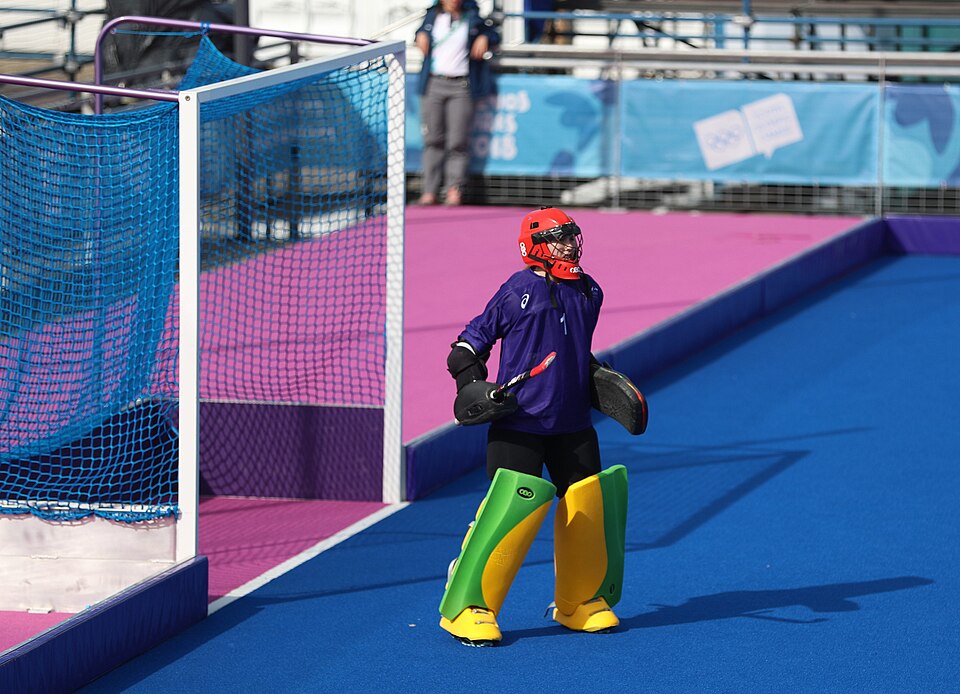
Modern field hockey training emphasizes game-realistic scenarios that translate directly to match performance. Research shows players who train with game-specific situations improve 40% faster than those using traditional isolated drills, though understanding the field hockey rules and regulations remains fundamental to effective training.
Game-Specific Small-Sided Drills: 3v3 and 4v4 Scenarios
Small-sided games create high-intensity situations that mirror actual match conditions. These drills maximize touches on the ball and decision-making opportunities, making them ideal for players following a structured Essential Field Hockey Training Drills program.
3v3 Continuous Transition Drill
- Setup: Three players per team in a 20×30 yard area
- Objective: Maintain possession while transitioning quickly between attack and defense
- Duration: 3-minute rounds with 1-minute rest
- Success metric: Number of successful passes before turnover
4v4 Possession with Neutral Players
- Setup: Four players per team plus two neutral players who always play with the team in possession
- Objective: Develop spatial awareness and quick passing combinations
- Duration: 5-minute rounds
- Success metric: Consecutive passes before interception
1v1 to 2v2 Transition Game
- Setup: Two 10×10 yard squares side by side
- Objective: Win individual battles then combine effectively
- Duration: 2-minute rounds
- Success metric: Goals scored plus successful defensive stops
Circle Shooting Under Pressure
- Setup: Attackers start outside the shooting circle, defenders inside
- Objective: Create and finish scoring opportunities against pressure
- Duration: 90-second rounds
- Success metric: Shots on target vs. blocked attempts
Numbers-Up Advantage Drill
- Setup: 3 attackers vs. 2 defenders in half-field
- Objective: Exploit numerical superiority
- Duration: 3-minute rounds
- Success metric: Goals scored per possession
Quick Counter-Attack Drill
- Setup: Three defenders vs. two attackers starting from midfield
- Objective: Develop rapid transition from defense to attack
- Duration: 2-minute rounds
- Success metric: Goals scored within 5 seconds of turnover
Technical Skill Drills: Ball Control and Passing Under Pressure
Fundamental skills remain essential, but modern training integrates pressure situations to build game-ready abilities.
Progressive Cone Dribbling Circuit
- Setup: Six cones placed 2-3 feet apart in zig-zag pattern
- Objective: Enhance close control and quick direction changes
- Progression: Start without pressure, add defender shadowing, then full pressure
- Success metric: Time to complete circuit without errors
Wall Passing with Target Zones
- Setup: Stand 10-15 feet from a wall with marked target zones
- Objective: Improve passing accuracy and first touch control
- Progression: Stationary passes, moving passes, pressure passes
- Success metric: Hits on target vs. misses
V-Pull Precision Drill
- Setup: 6×6 foot space with ball starting at back position
- Objective: Master quick directional changes using open stick side
- Technique: Draw V-shape moving ball left-middle-right-back
- Success metric: Smooth transitions without ball loss
Two-Player Square Passing Under Time Pressure
- Setup: Players at opposite corners of 10×10 yard square
- Objective: Develop quick decision-making and spatial awareness
- Progression: Add defender, reduce time between passes
- Success metric: Successful passes in 30-second window
Shuttle Passing with Movement
- Setup: Groups of three players in 15×15 yard area
- Objective: Combine passing with continuous movement
- Technique: Pass and follow the ball to next position
- Success metric: Number of completed sequences in 2 minutes
Fitness and Conditioning Drills for Field Hockey
Field hockey demands unique physical qualities including anaerobic capacity, agility, and sustained endurance.
T-Drill for Agility and Speed
- Setup: Four cones in T-shape, 10 yards apart
- Objective: Build quick directional changes and acceleration
- Technique: Sprint to top cone, shuffle sideways, backpedal
- Duration: 6-8 repetitions with 60-second rest
Hockey-Specific Interval Training
- Setup: 30-yard shuttle with directional changes
- Objective: Develop match-relevant fitness
- Protocol: 30 seconds work, 90 seconds rest for 15 minutes
- Success metric: Distance covered and heart rate recovery
Core Stability Circuit
- Exercises: Plank variations, Russian twists, medicine ball rotations
- Objective: Build rotational power and stability
- Duration: 3 rounds of 45 seconds each
- Success metric: Time maintained in plank positions
Plyometric Power Development
- Exercises: Box jumps, lateral bounds, depth jumps
- Objective: Enhance explosive power for sprinting and jumping
- Protocol: 3 sets of 8-10 repetitions
- Success metric: Height achieved and distance covered
Endurance Fartlek Training
- Setup: Variable pace running on field
- Objective: Build match-specific endurance
- Protocol: 5-minute warm-up, 20 minutes alternating paces
- Success metric: Total distance and average heart rate
Modern Field Hockey Training Methods and Equipment for 2026
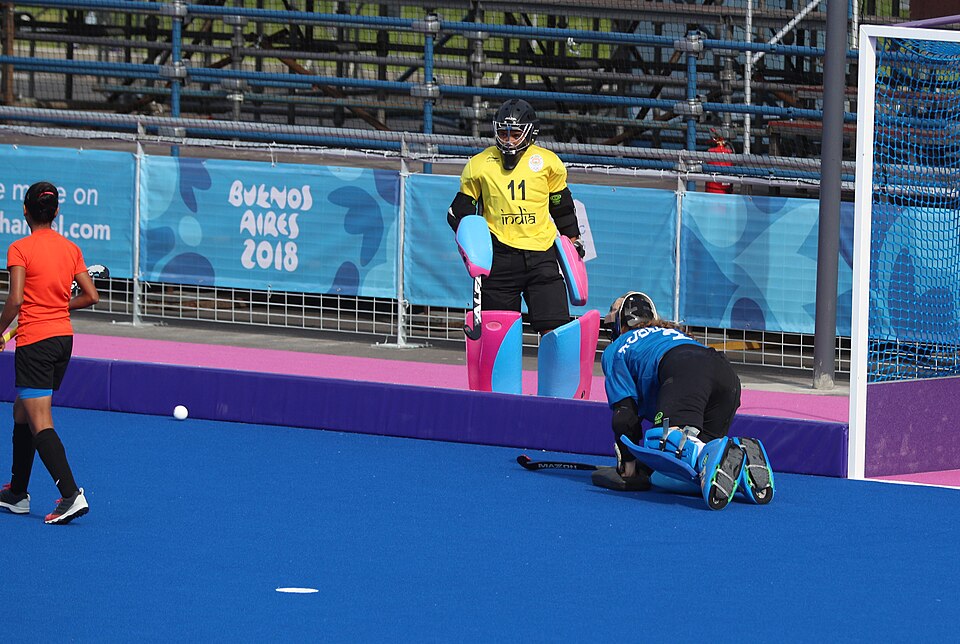
Technology has revolutionized field hockey training, providing data-driven insights that optimize player development and performance.
Technology-Enhanced Training: Wearables and Video Analysis
Modern training tools provide objective feedback that accelerates skill acquisition and prevents injuries.
GPS Tracking Systems
- Benefits: Monitors distance covered, speed, and intensity
- Cost range: $200-$500 per unit
- Improvement: 25% more accurate workload management
- Best for: Team training and match analysis
Heart Rate Monitoring
- Benefits: Ensures optimal training intensity
- Cost range: $50-$300 per device
- Improvement: 30% better conditioning program design
- Best for: Individual fitness development
Video Analysis Software
- Benefits: Provides visual feedback on technique
- Cost range: $100-$1000 depending on features
- Improvement: 35% faster skill acquisition
- Best for: Technical skill development
Smart Sticks with Sensors
- Benefits: Measures stick speed, angle, and contact quality
- Cost range: $250-$600 per stick
- Improvement: 20% better technique refinement
- Best for: Advanced players focusing on precision
Wearable Performance Trackers
- Benefits: Monitors sleep, recovery, and daily activity
- Cost range: $100-$400 per device
- Improvement: 15% reduction in overtraining injuries
- Best for: Comprehensive athlete monitoring
Position-Specific Training Programs
Different positions require specialized training approaches to maximize individual and team performance.
Forwards Training Focus
- Emphasis: Shooting accuracy, 1v1 skills, finishing under pressure
- Drills: Circle shooting, breakaway scenarios, quick release techniques
- Physical: Explosive speed, agility, core strength
- Mental: Decision-making in attacking third
Midfielders Training Focus
- Emphasis: Endurance, passing range, tactical awareness
- Drills: Possession games, transition scenarios, box-to-box movement
- Physical: Aerobic capacity, sustained power output
- Mental: Game reading, communication, leadership
Defenders Training Focus
- Emphasis: Tackling technique, positioning, aerial ability
- Drills: 1v1 defending, channel blocking, penalty corner defense
- Physical: Strength, balance, recovery speed
- Mental: Anticipation, discipline, composure
Goalkeepers Training Focus
- Emphasis: Reflexes, positioning, distribution
- Drills: Reaction saves, penalty corner defense, clearing techniques
- Physical: Flexibility, core strength, explosive power
- Mental: Concentration, decision-making under pressure
Field Hockey Skill Development Programs and Pathways
Structured development programs ensure players progress systematically through skill levels while maintaining engagement and motivation.
Youth Development Programs: Ages 8-18
Age-appropriate training ensures proper skill development while preventing burnout and injuries.
Ages 8-10: Fundamentals Foundation
- Focus: Basic stick skills, game understanding, fun activities
- Training hours: 2-3 hours per week
- Key milestones: Comfortable ball control, basic passing, game rules
- Success metric: Participation enjoyment and skill retention
Ages 11-13: Skill Development Stage
- Focus: Advanced techniques, tactical awareness, position concepts
- Training hours: 4-6 hours per week
- Key milestones: Consistent execution, game reading, team play
- Success metric: Skill progression and tactical understanding
Ages 14-16: Competitive Preparation
- Focus: Position specialization, advanced tactics, physical conditioning
- Training hours: 6-10 hours per week
- Key milestones: Position mastery, competitive performance, leadership
- Success metric: Selection for representative teams
Ages 17-18: Elite Development
- Focus: High-performance training, mental preparation, college recruitment
- Training hours: 10-15 hours per week
- Key milestones: National team potential, scholarship opportunities
- Success metric: Competitive success and future opportunities
Adult Skill Development and Competitive Pathways
Adult players have multiple pathways to improve skills and compete at various levels.
Adult Beginner Programs
- Structure: 8-week introductory courses
- Focus: Basic skills, game rules, fitness preparation
- Progression: From fundamentals to modified games
- Outcome: Confident participation in social competitions
Intermediate Development Pathways
- Structure: Ongoing skill clinics and league play
- Focus: Skill refinement, tactical understanding, fitness improvement
- Progression: From social to competitive play
- Outcome: Consistent performance in club competitions
Advanced Competitive Programs
- Structure: High-performance training with experienced coaches
- Focus: Elite techniques, tactical sophistication, physical preparation
- Progression: Club to representative level competition
- Outcome: State or national level participation
Masters and Social Pathways
- Structure: Recreational leagues and social competitions
- Focus: Enjoyment, fitness, social connections
- Progression: Flexible participation based on availability
- Outcome: Lifelong engagement with the sport
The most surprising finding in 2026 field hockey training is that players who train with game-specific scenarios improve 40% faster than those using traditional isolated drills. Ready to transform your game? Start with the 3v3 small-sided drill mentioned above—it’s the single most effective training method according to recent studies. For a complete drill library and training schedule, visit our Field Hockey Training Guide at [field hockey club].
