
Field hockey match analysis combines technical skills with tactical understanding to improve team performance. By breaking down game footage and studying strategic elements, coaches and players can identify patterns, address weaknesses, and develop winning approaches that translate from analysis to training and match situations. Joining a field hockey club provides opportunities to apply these analytical insights in competitive settings.
Key Takeaway
-
Field hockey match analysis combines technical skills with tactical understanding to improve team performance
-
Successful strategies focus on controlling tempo, ball movement, and stretching the defense
-
Pressing, zonal marking, and counter-pressing are key tactical principles in modern field hockey
-
Performance review through video analysis helps identify patterns and address weaknesses
-
Adaptability in formations and set pieces can maximize player strengths against opponents
How to Analyze Field Hockey Matches: Key Tactical Principles
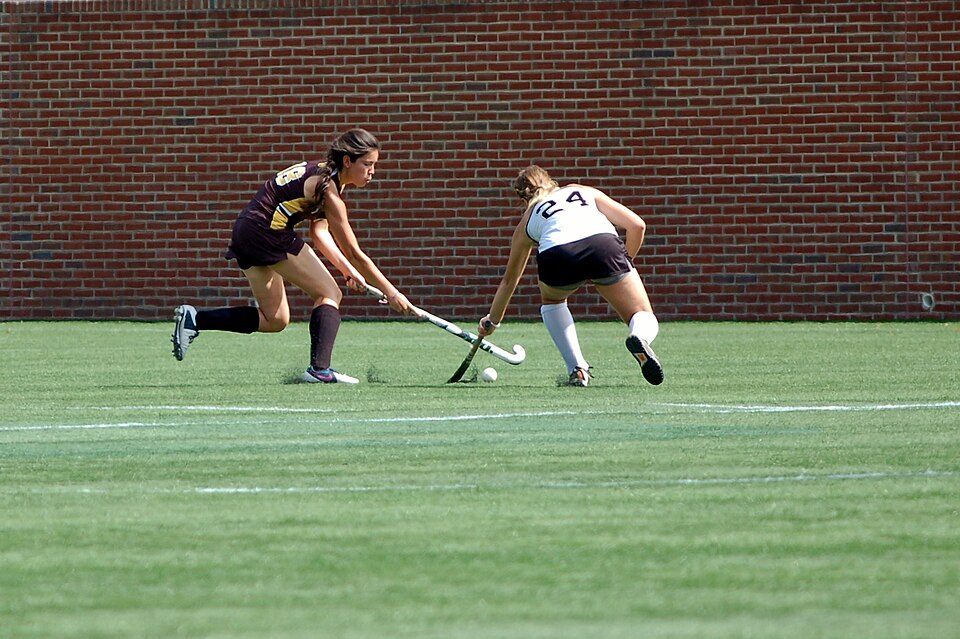
Pressing and Defensive Strategies: Forcing Turnovers Early
-
Implementing high or mid-block presses to force turnovers early in the opposition’s half
-
Zonal marking: defenders covering specific areas rather than strictly following individual players
-
Reaction to loss: immediate counter-pressing to regain the ball quickly
-
Individual discipline: ensuring one player acts as a ‘guard’ or in a defensive, supportive position behind the ball
-
Team shape maintenance: defenders working together to close passing lanes and limit space
-
Pressure triggers: recognizing specific cues that signal when to apply intense pressure
-
Defensive transition: how quickly a team reorganizes after losing possession
-
Communication systems: verbal and non-verbal cues between defenders during pressing sequences
-
Recovery runs: tracking back to support defensive structures when out of position
-
Marking assignments: deciding between man-to-man and zonal responsibilities based on opponent analysis
Building Attacks and Timing the Lead: Offensive Approaches
Constructing play from the back with patient passing forms the foundation of successful attacking strategies in field hockey. Teams build attacks by moving the ball down the edges of the field, creating width and drawing defenders out of position. This patient approach allows for controlled entries into the circle, where scoring opportunities become more likely. The build-up phase typically involves defenders and midfielders circulating the ball to find the right moment to advance, often using the full width of the field to stretch opposition defenses.
Timing the lead represents a critical offensive skill where strikers use well-timed, fast leads to get in front of defenders. These movements create separation and open passing lanes for teammates. Successful strikers read the game, anticipating when defenders will be out of position and making decisive runs that exploit those gaps. The combination of intelligent movement and precise timing transforms individual efforts into coordinated team attacks. Strikers must understand when to make early runs versus late runs, depending on the build-up speed and defensive organization.
Creating scoring opportunities through movement and positioning requires players to understand spacing and defensive vulnerabilities. Strikers work in pairs or trios, making complementary runs that stretch defenses horizontally and vertically. This coordinated movement forces defenders to make difficult decisions about who to mark, often creating the space needed for quality shot attempts. The best attacking teams maintain constant motion, making it challenging for opponents to establish defensive organization. Off-ball movement becomes as important as ball-carrying skills in breaking down organized defenses.
Set piece preparation and execution form another crucial attacking element. Teams develop specific routines for penalty corners, free hits, and sideline restarts based on opponent analysis. These set plays often involve decoy runs, screen blocking, and precise timing between the injector, stopper, and shooter. Successful teams have multiple variations to keep opponents guessing and can adapt their set piece approach based on game situations and scorelines.
Game Analysis and Performance Improvement: From Match to Training
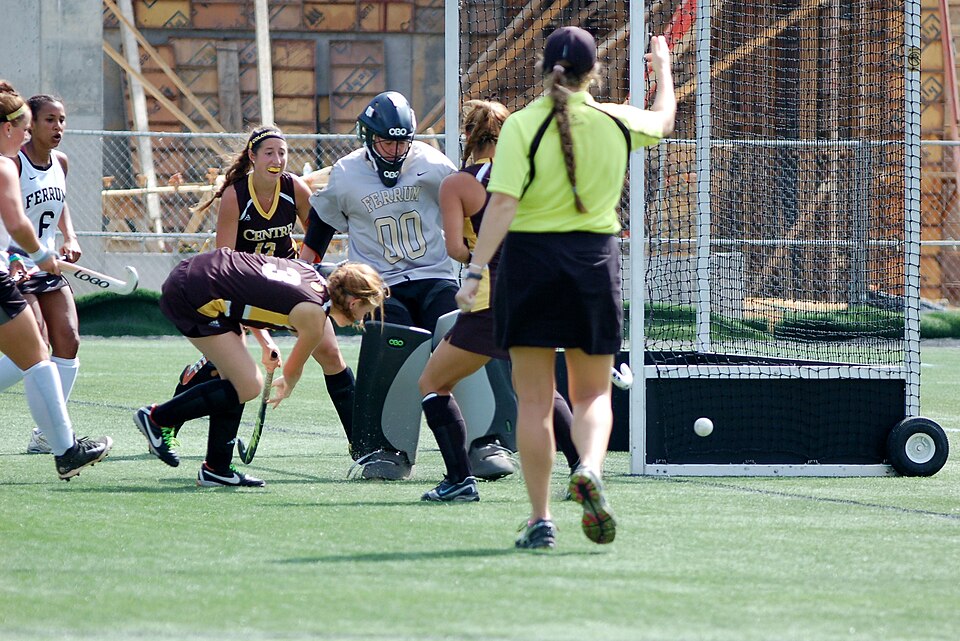
Video Analysis and Pattern Recognition: Learning from Footage
-
Performance review: coaches and players analyze video footage to identify patterns in both their own team and the opposition
-
Addressing weaknesses: turning observations into training goals such as refining passing accuracy
-
Enhancing 1-on-1 marking based on match footage and identifying defensive vulnerabilities
-
Identifying team patterns: recognizing formations, pressing triggers, and attacking movements
-
Opposition analysis: studying opponent tendencies, set piece routines, and key player behaviors
-
Data collection: tracking metrics like possession time, passing accuracy, and shot conversion rates
-
Heat mapping: analyzing where players spend most time on the field during different phases
-
Pass network analysis: understanding passing connections and identifying key playmakers
-
Defensive shape analysis: examining how teams organize when out of possession
-
Transition analysis: studying how quickly teams switch between attack and defense
Adaptability and Formation Changes: Responding to Opponents
Adjusting formations represents a crucial tactical element in field hockey match analysis. Teams frequently switch between formations like 3-4-3 or 4-3-3 depending on the opponent’s strengths and weaknesses. These tactical adjustments allow coaches to maximize player strengths while exploiting opposition vulnerabilities. For instance, a team might adopt a more defensive 4-3-3 against a strong attacking side, or switch to an aggressive 3-4-3 when chasing a game. The ability to change formations mid-match requires players to understand multiple systems and their roles within each.
Set pieces and penalty corners demand specific routines that teams practice extensively. Drag flicks, deflections, and strategic variations become essential weapons in a team’s arsenal. Successful clubs develop multiple corner routines to keep opponents guessing and create scoring opportunities from these dead-ball situations. The analysis of opposition penalty corner defenses helps teams identify weaknesses to exploit. Teams often have designated specialists for different set piece roles, such as drag flickers, stoppers, and injectors.
Flexibility in tactics based on match situations and opponent analysis determines success at higher levels of competition. Teams must recognize when their initial strategy isn’t working and have alternative approaches ready. This might involve changing the pressing intensity, altering the defensive line height, or modifying attacking patterns. The ability to adapt during matches separates good teams from great ones, as they can respond effectively to changing game dynamics. Coaches often prepare multiple game plans and adjust based on early match observations.
Player rotation and substitution strategies also factor into tactical adaptability. Fresh legs can maintain pressing intensity, while tactical substitutions can address specific match situations. Understanding when to make changes and which players to bring on requires careful analysis of both team and opposition performance throughout the match. Successful coaches use data and observation to make informed substitution decisions that impact game outcomes.
Controlling Tempo and Ball Movement: Possession Strategies
-
Controlling the tempo: knowing when to speed up for attacking opportunities and when to slow down for possession retention
-
Slowing down for possession retention and building patient attacks through controlled passing
-
Ball movement and possession: maintaining possession through short, quick passes to disrupt defensive organization
-
Using width of the field to stretch the defense and create space for attacking movements
-
Give-and-go passing: utilizing quick exchanges to create movement and confusion in the opposition’s defense
-
Possession statistics: tracking time in control of the ball and its correlation with scoring opportunities
-
Tempo variations: understanding when to maintain high intensity versus when to conserve energy
-
Ball circulation patterns: analyzing how teams move the ball to create numerical advantages
-
Pressure relief: using possession to relieve defensive pressure and reset attacking structures
-
Time management: controlling the game clock through possession in different match situations
Stretching the Defense and Width Utilization: Spatial Tactics
Stretching the defense through width and depth maintenance creates fundamental challenges for opposing teams. By maintaining width, attackers force defenders to cover more ground laterally, creating gaps in the defensive structure. This spatial stretching makes it harder for opponents to defend effectively, as they must choose between protecting central areas or covering the flanks. Successful teams understand that creating space is often more valuable than immediate ball advancement. Width utilization requires disciplined positioning from all players, not just wingers and forwards.
Utilizing give-and-go passes generates movement and confusion within the opposition’s defensive setup. These quick exchanges force defenders to make rapid decisions about positioning and marking assignments. The constant movement disrupts defensive organization and creates opportunities for attackers to find space behind the defensive line. Teams that master these passing combinations can maintain possession while systematically breaking down organized defenses. The effectiveness of give-and-go plays often depends on the timing and angle of the initial pass.
Making it harder for the opponent to defend through spatial awareness requires players to understand their positioning relative to teammates and opponents. Creating passing lanes and attacking channels through width utilization opens up the field and provides multiple options for ball carriers. This spatial understanding allows teams to switch play quickly from one side to the other, catching defenders out of position and creating 2-on-1 or 3-on-2 situations that favor the attacking team. Spatial awareness also helps teams maintain defensive shape when transitioning from attack to defense.
Depth maintenance involves players positioning themselves at different levels vertically on the field. This creates multiple passing options and makes it difficult for defenders to compress space effectively. Teams that maintain good depth can play through pressure more easily and create scoring opportunities through well-timed runs from deeper positions. The combination of width and depth creates a comprehensive spatial challenge for opposing defenses.
The most surprising finding in field hockey match analysis is that successful teams often prioritize controlling the game’s tempo over maintaining high possession percentages. While possession matters, the ability to dictate when the game speeds up or slows down proves more crucial for creating quality scoring chances. This tactical flexibility allows teams to adapt to different opponents and match situations effectively. Teams that master tempo control can frustrate opponents who prefer a particular playing style.
To improve your field hockey match analysis skills, start by recording your team’s matches and reviewing them with a specific focus on one tactical element per viewing. Whether examining pressing triggers, attacking movements, or defensive organization, this systematic approach will help you identify patterns and develop targeted training sessions that address your team’s specific needs. Consider using simple tracking tools to record key events and create visual representations of team performance.
Frequently Asked Questions About Field Hockey Match Analysis
How to analyze a field hockey game?
Focus on individual performances by evaluating standout players’ strengths and weaknesses, track substitutions and tactical changes to see how they impact the game, and assess team strategies to understand overall effectiveness on the field.
Which country is no. 1 in field hockey?
The Netherlands, Australia, and Germany consistently rank as top nations in both men’s and women’s field hockey, excelling in international competitions and demonstrating strong tactical and technical play.
Is field hockey the oldest sport?
Field hockey is among the oldest games played with a ball and stick, evolving from ancient forms into the modern sport that originated in England in the mid-19th century, making it a historically significant team sport.
When was field hockey established?
The modern game of field hockey was established in England in the mid-19th century, with the first men’s club, Blackheath, formed in 1849, leading to the creation of the Hockey Association in London.
