
Field hockey requires specific equipment to play safely and effectively. Whether you’re a beginner or experienced player, having the right gear is essential for performance and protection on the field. For those looking to join a local team, the field hockey club offers excellent resources and community support.
Key Takeaway
-
Essential field hockey equipment includes a properly sized stick, shin guards, mouthguard, and appropriate footwear (turf shoes or cleats)
-
Beginners should choose sticks with 0–30% carbon for flexibility and proper sizing from ground to hip bone
-
Goalkeepers require specialized comprehensive padding including helmet, leg guards, chest pads, and kickers
Essential Field Hockey Equipment for Beginners
Field Hockey Stick: Sizing and Materials
-
Field hockey sticks are sized from the ground to the hip bone, ensuring proper reach and control during play
-
Sticks are typically made of wood or composite materials including fiberglass, kevlar, and carbon for different performance characteristics
-
Beginners should choose sticks with 0–30% carbon content for optimal flexibility and easier handling
-
Higher carbon percentages (50%+) provide more power but require greater skill to control effectively
-
Stick weight varies by position, with defenders often preferring heavier sticks for blocking and forwards choosing lighter options for speed
-
Junior players need proportionally shorter sticks, typically 28-32 inches compared to adult lengths of 35-38 inches
-
Wood sticks offer better control for beginners but less power than composite alternatives
-
Most sticks feature a standard bow shape, though some advanced players prefer low-bow designs for specialized techniques
-
Stick length affects reach and control, with incorrect sizing leading to poor technique development
-
Quality sticks from reputable manufacturers typically cost between $30-$150 depending on materials and construction
Protective Gear: Shin Guards and Mouthguards
-
Shin guards are crucial for protection against stick checks and ball impact, preventing painful bruises and potential injuries
-
Mouthguards are mandatory for safety in most leagues to protect teeth and jaw from accidental contact
-
Properly fitted shin guards should cover from just below the knee to above the ankle for complete protection
-
Look for shin guards specifically designed for field hockey rather than soccer or other sports for optimal fit and protection
-
Many leagues require mouthguards to be worn at all times during practice and games, with no exceptions
-
Shin guards should fit snugly without restricting movement, with adjustable straps for secure positioning
-
High-quality mouthguards offer better protection and comfort than basic boil-and-bite options
-
Replace shin guards annually or when padding becomes compressed and less protective
-
Custom-fitted mouthguards provide superior protection but cost more than standard options
-
Proper maintenance includes cleaning equipment after each use and storing in dry conditions
Footwear and Ball: Playing Surface Requirements
Turf Shoes vs Cleats: Choosing the Right Footwear
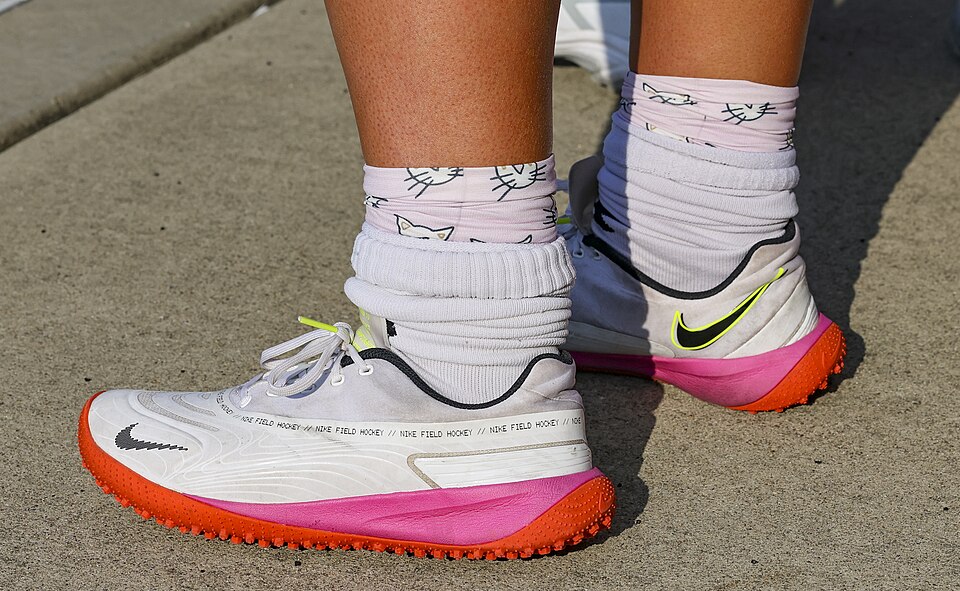
Selecting the right footwear is essential for field hockey performance and safety. Turf shoes are specifically designed for artificial turf surfaces, featuring small rubber nubs that provide excellent grip without damaging the playing surface. These shoes offer superior traction on synthetic fields while allowing quick directional changes and comfortable movement. For grass playing surfaces, traditional cleats with longer studs provide the necessary traction and stability, especially in wet or muddy conditions. Many players own both types of footwear to adapt to different playing environments throughout the season. The wrong footwear can lead to slips, falls, and reduced performance, making this equipment choice critical for serious players. Proper fit is essential, with shoes providing adequate ankle support while allowing natural foot movement during play. Most field hockey footwear ranges from $50-$150, with higher-end models offering better durability and performance features.
Field Hockey Ball: Specifications and Use
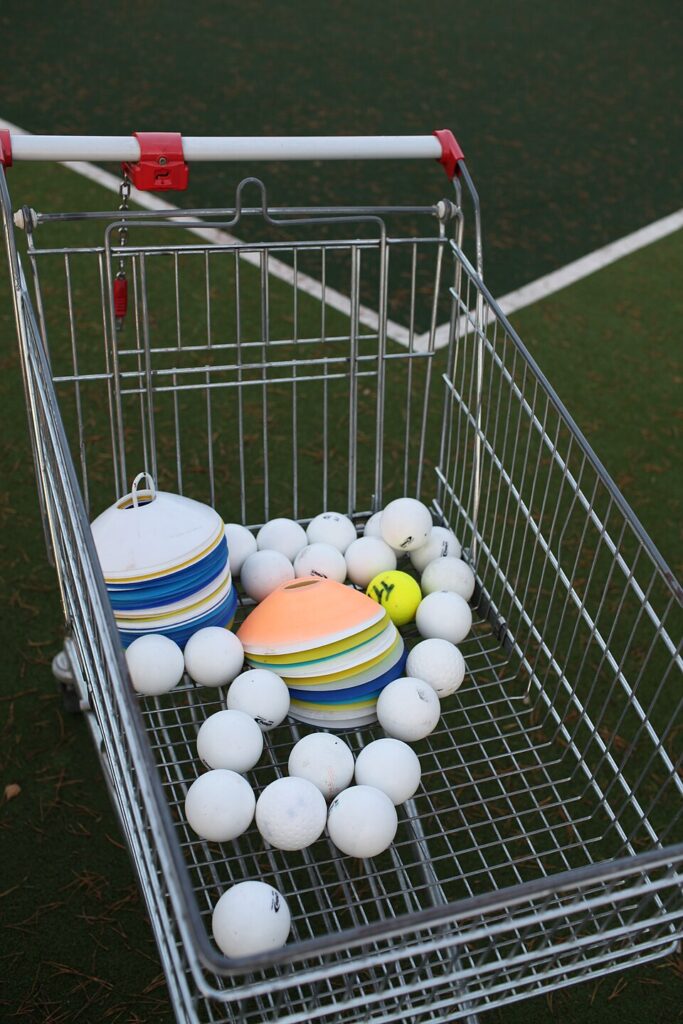
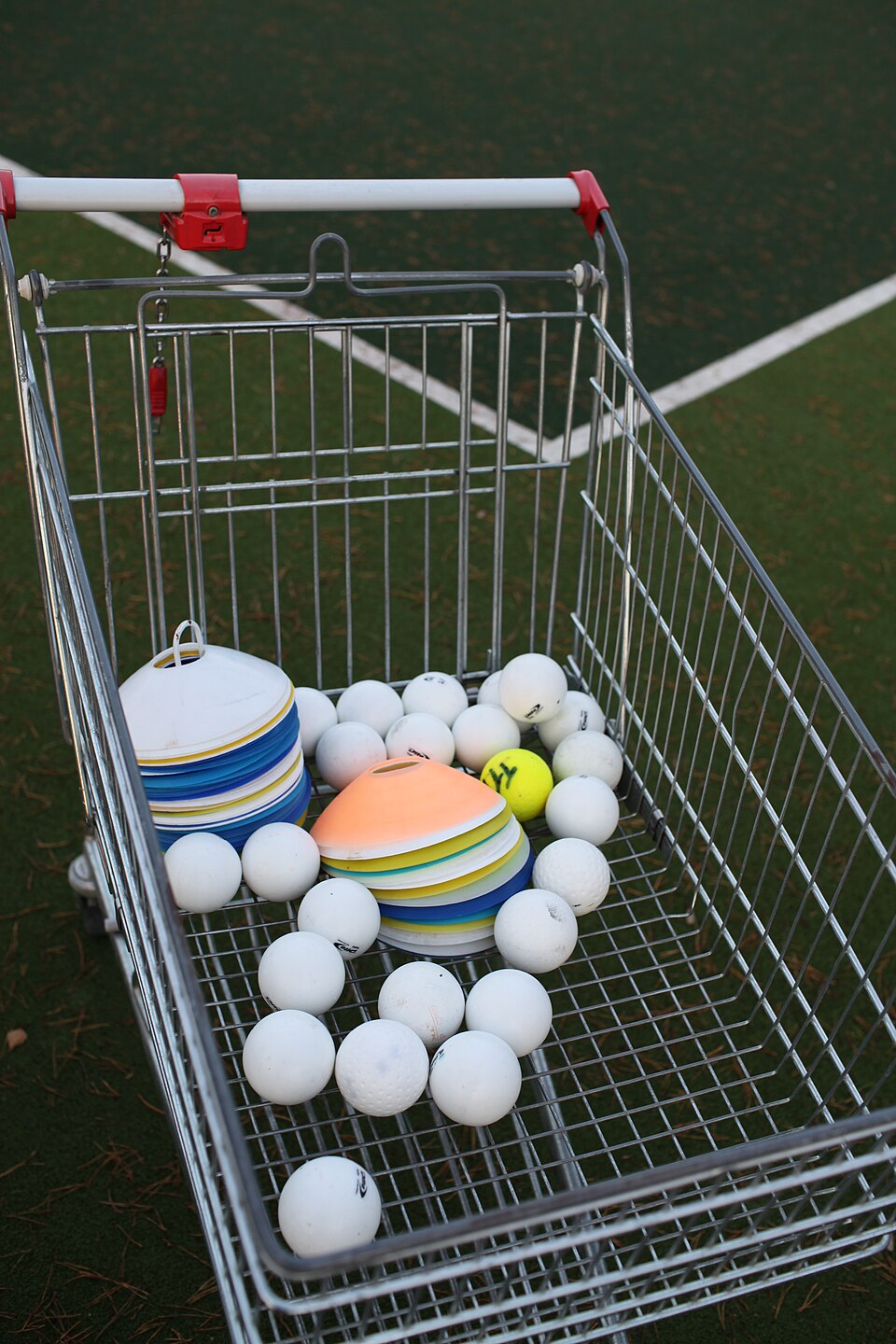
The standard field hockey ball is a hard, solid plastic sphere specifically designed for the sport. These balls are typically white or orange for visibility, with a weight of approximately 5.5 to 5.7 ounces and a diameter of 2.8 inches. The surface features a dimpled pattern that reduces water resistance and provides consistent roll on various playing surfaces. Field hockey balls are significantly harder than soccer balls and can travel at high speeds during play, making proper protective equipment essential. Most teams provide balls for practice and games, but having your own for individual training helps develop stick skills and ball control. The balls are designed to withstand repeated impact and maintain their shape throughout intense gameplay. Weather conditions can affect ball performance, with wet surfaces requiring more force for effective passing and shooting. Quality balls typically cost $5-$15 each, with tournament-grade balls offering superior consistency and durability.
Optional Equipment and Goalkeeper Gear
Field Player Accessories: Gloves and Face Masks
-
Gloves provide protection against abrasions and stick contact, particularly valuable during colder weather when hands are more vulnerable
-
Face masks or corner masks are often worn by defenders during penalty corners to prevent facial injuries from high-speed shots
-
Lightweight gloves allow for stick control while providing essential protection for fingers and knuckles
-
Face masks are typically made of impact-resistant plastic and can be quickly attached to helmets or worn separately
-
Many players find gloves improve grip in wet conditions, enhancing overall stick handling performance
-
Gloves come in various thicknesses, with thinner options preferred by advanced players who prioritize stick feel
-
Face masks should meet safety standards and provide adequate ventilation to prevent fogging during intense play
-
Some leagues have specific regulations about when face masks are required during penalty corners
-
Quality gloves typically cost $20-$60, with specialized goalkeeper gloves costing more due to additional padding
-
Face masks range from $15-$40, with higher-end models offering better visibility and comfort
What Equipment Does a Field Hockey Goalie Need?
|
Equipment Item |
Purpose |
Key Features |
|---|---|---|
|
Helmet with Face Cage |
Head and face protection |
Impact-resistant, full vision coverage |
|
Leg Guards & Kickers |
Leg and foot protection |
Large foam pads covering legs and shoe tops |
|
Chest & Arm Pads |
Torso and arm protection |
Padding for upper body impact absorption |
|
Goalie Stick |
Saving ability |
Special curve design for enhanced stopping power |
|
Gloves or Hand Protectors |
Hand protection |
Extra padding for blocking and catching |
|
Pelvic Protector |
Lower body protection |
Essential for goalkeeper safety |
Field hockey equipment selection directly impacts player safety, performance, and enjoyment of the game. The most surprising finding is that proper equipment sizing, particularly for sticks, can significantly affect a player’s development and skill progression. Many beginners struggle unnecessarily because they’re using incorrectly sized equipment. The most important action step is to visit a specialty field hockey retailer or consult with experienced players to ensure you’re getting properly fitted equipment before your first practice. This investment in the right gear will pay dividends in your playing experience and help prevent injuries that could sideline you from the sport you’re learning to love. For those wanting to improve their skills, Essential Field Hockey Training Drills can accelerate your development.
