
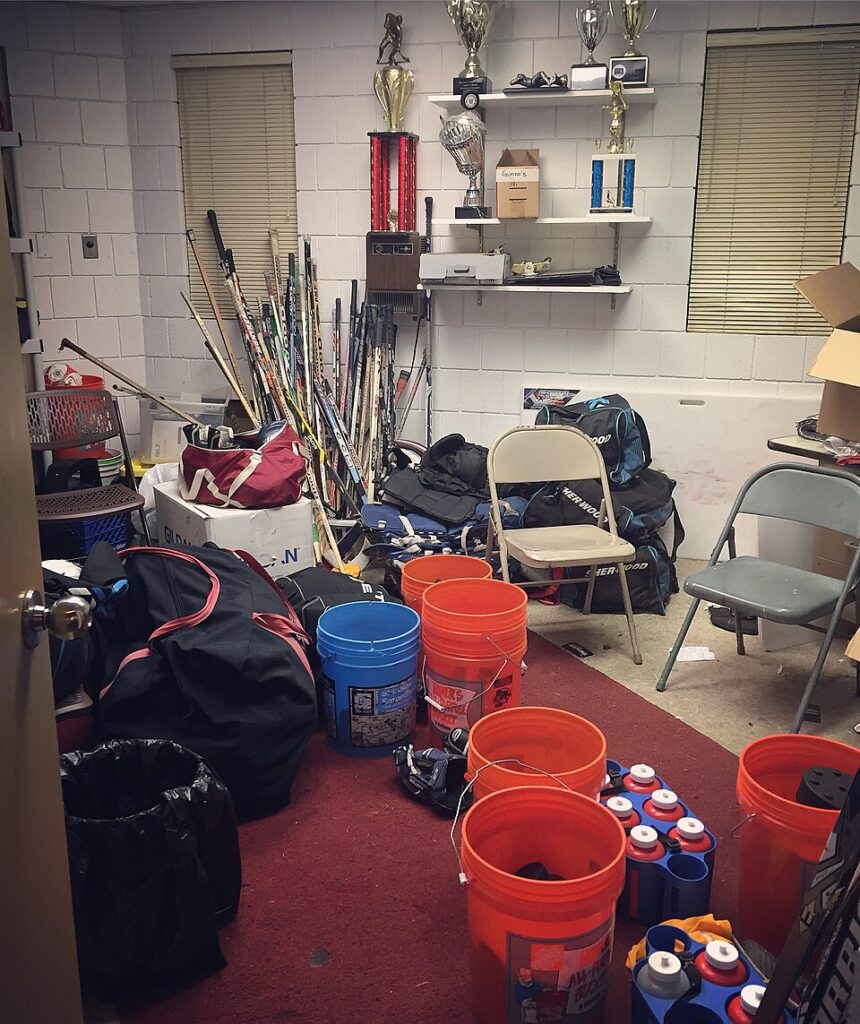
Choosing the right hockey gear in 2026 requires prioritizing safety-certified helmets, properly fitted protective pads, and sticks suited to player skill and size. The most critical factor is ensuring all equipment fits correctly to minimize injury risk while maximizing performance. Understanding the evolution of hockey from ancient origins to modern game can also help players appreciate why certain equipment standards have developed over time.
Key Takeaway
-
HECC-certified helmets are mandatory for safety
-
Skates fit 1-2 sizes smaller than street shoes
-
Stick flex should be approximately half your body weight
-
Beginners should prioritize fit over expensive gear
Essential Hockey Equipment: What You Need to Buy
Helmets: Safety First with HECC Certification
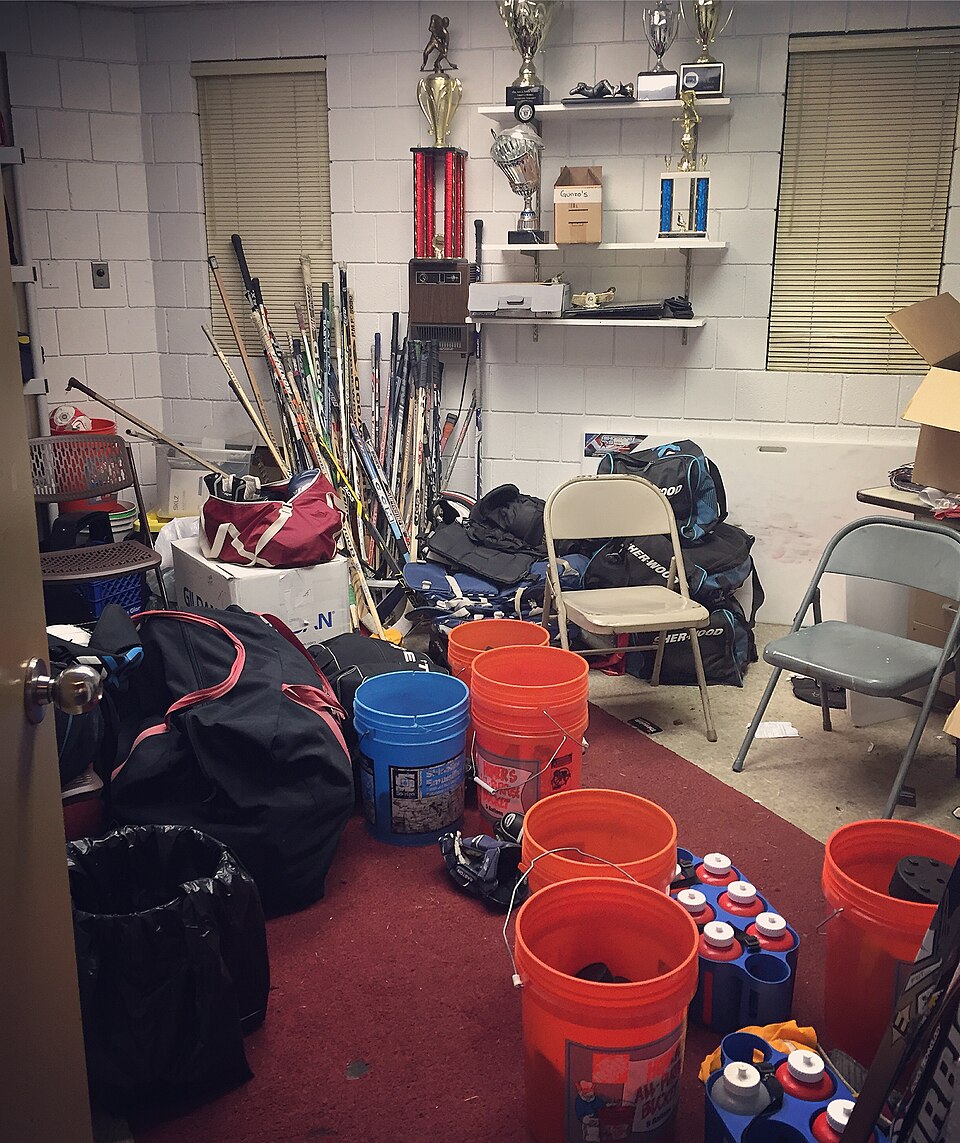
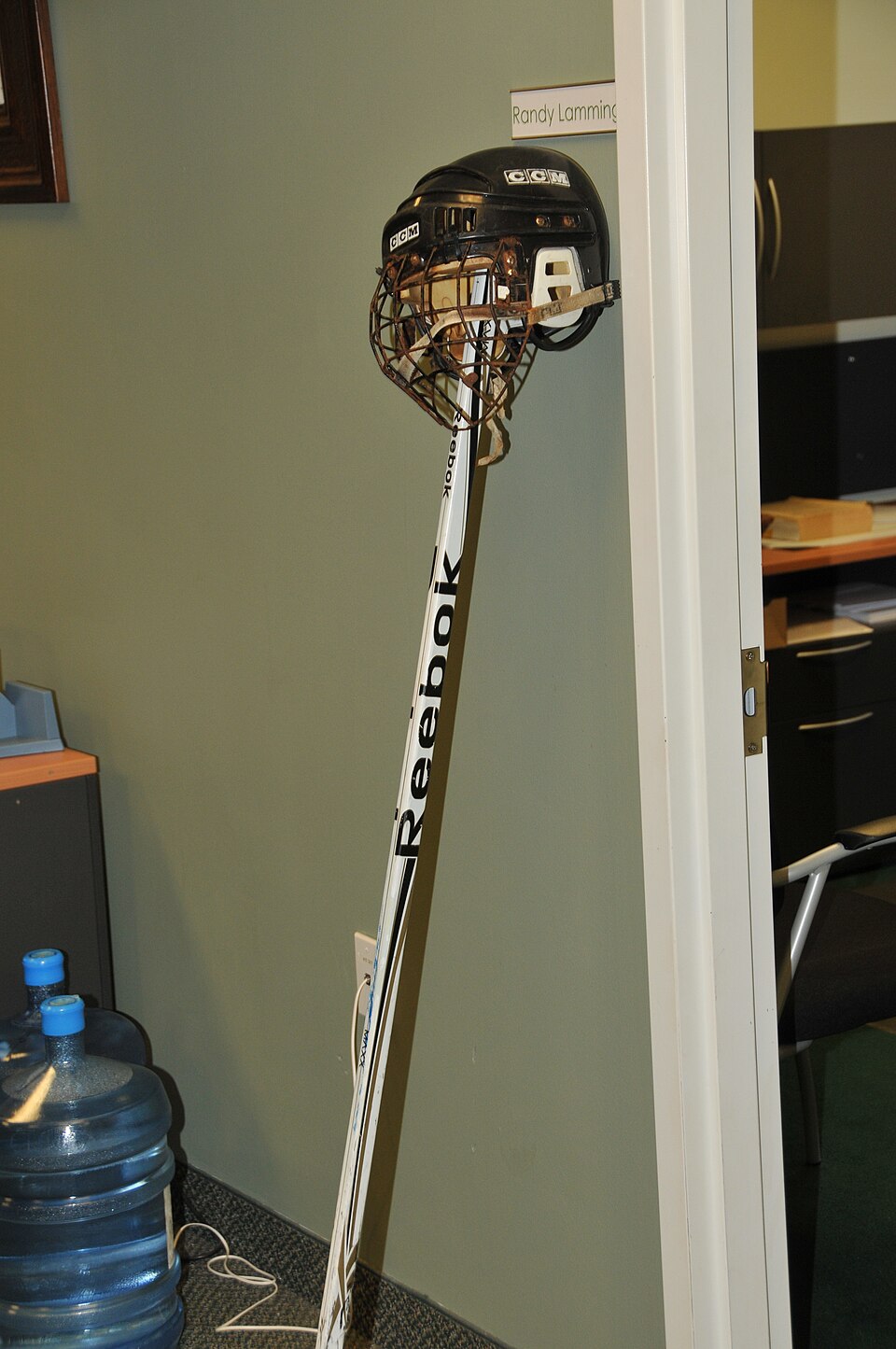
Helmets are the most critical safety equipment for hockey players. Every helmet must be HECC-certified (Hockey Equipment Certification Council) to meet safety standards for impact protection. The fit should be snug without causing pressure points – the helmet should not move when you shake your head. Proper cage or visor placement is essential to protect the face from pucks, sticks, and collisions. Look for adjustable straps and padding that can be customized for your head shape. Replace helmets every few years or immediately after any significant impact, as the protective foam degrades over time. The certification sticker should be clearly visible and current – expired certification means the helmet no longer meets safety standards.
Protective Gear: Pads, Gloves, and Shin Guards
-
Shin Guards: Should cover from the top of the skate to just below the knee. The padding must extend fully across the shin without gaps that could leave you vulnerable to impacts from sticks or pucks. Look for guards with hard plastic shells over foam padding for maximum protection.
-
Elbow Pads: Must stay secure to prevent sliding during impacts. Look for adjustable straps and proper length that covers the elbow joint completely while allowing full arm movement. The elbow cup should fit snugly without restricting circulation.
-
Shoulder Pads: Need to allow arm mobility while covering the collarbone and sternum. The fit should be snug but not restrictive, with adequate padding on the shoulders and upper arms. Look for ventilated designs to prevent overheating during play.
-
Gloves: Require a snug fit in the fingers while allowing full wrist range of motion. The palm should feel comfortable without bunching, and the cuff should protect the wrist without limiting stick handling. Quality gloves have reinforced palms for durability and moisture-wicking liners to keep hands dry.
Choosing Skates and Sticks: The Critical Equipment
Hockey Skates: Fit and Support Requirements
Skates are arguably the most important and expensive piece of hockey equipment. They should fit 1-2 sizes smaller than your street shoes to provide proper ankle support and control. The boot needs to be stiff enough to support your ankle laterally while still allowing forward flex for skating strides. Look for skates with quality steel blades that can be sharpened regularly. The heel should lock in place without lifting when you walk, and there should be no more than a pencil’s width of space at the toe. Higher-level players benefit from heat-moldable boots that can be customized to their foot shape. Consider your playing frequency – recreational players can use softer boots, while competitive players need stiffer construction for better energy transfer and control.
Hockey Sticks: Height and Flex Selection Guide
-
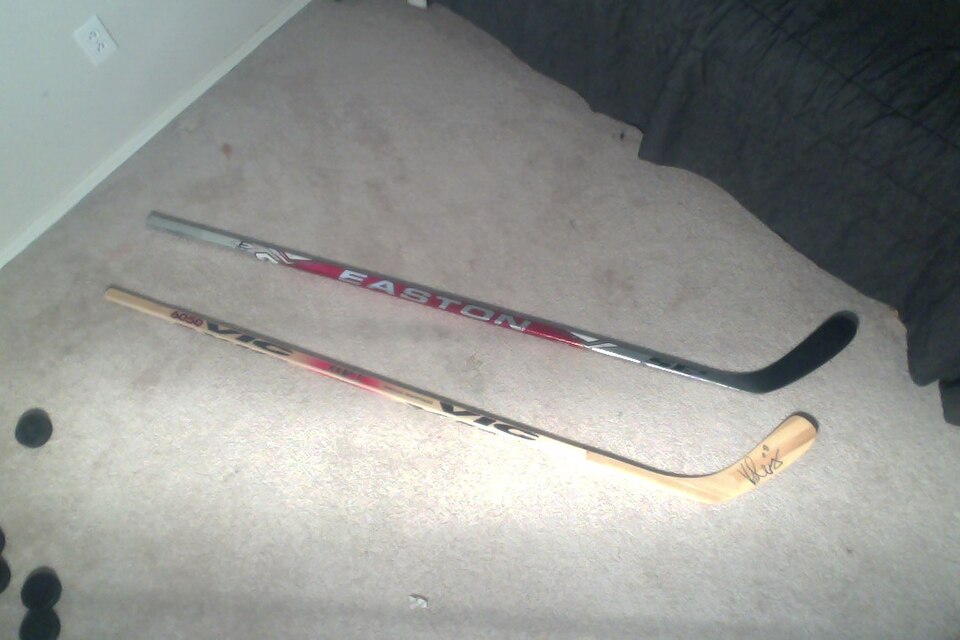
Stick Height: Should reach just below the chin when standing in skates. This measurement ensures proper stick handling and shooting mechanics. For players who prefer a longer stick for poke checks or defensive play, add 1-2 inches to this measurement.
-
Stick Flex: Should be approximately half your body weight in pounds. A 150-pound player would typically use a 75-flex stick. Lighter players may need softer flex for proper shot mechanics, while stronger players might prefer stiffer sticks for harder shots.
-
Material Choices: Beginners can start with wood sticks for durability and lower cost. Intermediate to advanced players should look for carbon fiber options for better performance, lighter weight, and improved puck feel. Composite sticks offer better energy transfer but are more expensive and can break more easily.
-
Blade Pattern: Choose based on your shooting style – larger curves for wrist shots, smaller curves for slap shots and passing accuracy. Open-faced blades help lift the puck, while closed faces provide better control for backhand shots.
Buying Guide: What Order to Purchase Hockey Gear
Beginner Equipment: Budget-Friendly Essentials
New players should focus on budget-friendly, durable gear rather than expensive, high-end options. Start with properly fitting, HECC-certified helmet and basic protective pads that offer good coverage. For sticks, begin with a mid-range wood or basic composite stick that matches your height and flex requirements. Skates are worth investing in even for beginners – look for entry-level models with good ankle support rather than the cheapest options. Protective pants (breezers) should reach from the knee to the waist with adequate padding for hips and tailbone. Focus on fit and comfort rather than high-end features that won’t benefit a developing player. Consider starter packages from reputable retailers that include all essential gear at a discounted price.
Used vs New Equipment: Cost-Saving Options
Buying used hockey equipment can save significant money, especially for growing children or new players testing the sport. However, safety equipment like helmets should always be purchased new to ensure proper certification and impact protection. Used skates can be a good option if they’re not excessively worn and can be properly sharpened. Check used protective pads for tears, worn padding, or compromised structural integrity. Always prioritize proper fit over price – ill-fitting gear, whether new or used, increases injury risk. Clean used equipment thoroughly before use, and replace any items that show signs of significant wear or damage. Look for equipment exchanges or trade-in programs at local hockey shops.
2026 Hockey Equipment Trends and Tips
Marden Russets Hockey Club: Local Equipment Advice
For players at the Marden Russets Hockey Club, focusing on quality, well-fitting gear ensures comfort and safety throughout the season. Local players should consider the club’s playing conditions when selecting equipment – the Kent climate means moisture management is important for both comfort and equipment longevity. Club members often benefit from group purchasing options or equipment swap programs that can reduce costs while ensuring everyone has properly fitting gear. The club recommends establishing relationships with local equipment retailers who understand the specific needs of field hockey versus ice hockey players. Regular equipment checks before the season starts help identify any items that need replacement or adjustment.
Maintenance and Care for Hockey Gear
-
Regular Cleaning: Air out equipment after every use to prevent bacteria growth and odors. Wash removable liners and pads according to manufacturer instructions. Use sports equipment deodorizers to maintain freshness between cleanings.
-
Skate Care: Dry blades thoroughly after use and use blade guards when walking off the playing surface. Get skates sharpened every 10-15 hours of ice time or when you notice decreased performance. Check blade alignment regularly.
-
Stick Maintenance: Check for cracks or splinters regularly. Replace tape as needed to maintain grip and protect the blade. Store sticks properly to prevent warping from heat or moisture.
-
Storage: Keep equipment in a cool, dry place away from direct sunlight. Use equipment bags with ventilation to prevent moisture buildup. Never store wet equipment in closed bags.
-
Inspection: Check all protective gear before each season for wear and tear. Replace any items that no longer provide adequate protection. Look for loose stitching, worn padding, or compromised structural integrity.
The most surprising finding in modern hockey equipment is that proper fit matters more than expensive features. A well-fitting $150 helmet provides better protection than a poorly fitting $300 model. The single most important action step is to get professionally fitted for skates before making any equipment purchases – this one decision impacts your entire hockey experience more than any other gear choice. Always prioritize safety and fit over brand names or the latest technology, especially when starting out.
Frequently Asked Questions About Hockey Equipment Buying
What order to buy hockey gear in?
Start with essential protective equipment like a supporter and cup, then shin pads, hockey socks, pants/breezers, skates, and shoulder pads to ensure proper fit and protection as you build your gear collection.
Who are the big 3 hockey equipment companies?
The hockey equipment market is dominated by major brands like Bauer, CCM, and True, known for producing high-quality skates, sticks, and protective gear trusted by players at all levels. Understanding hockey strategy can help players choose equipment that best supports their playing style and position.
Can you wear 0 in hockey?
The number 0 is no longer allowed in the NHL, as it was previously worn mostly by goalies but has since been retired from use in the league.
