
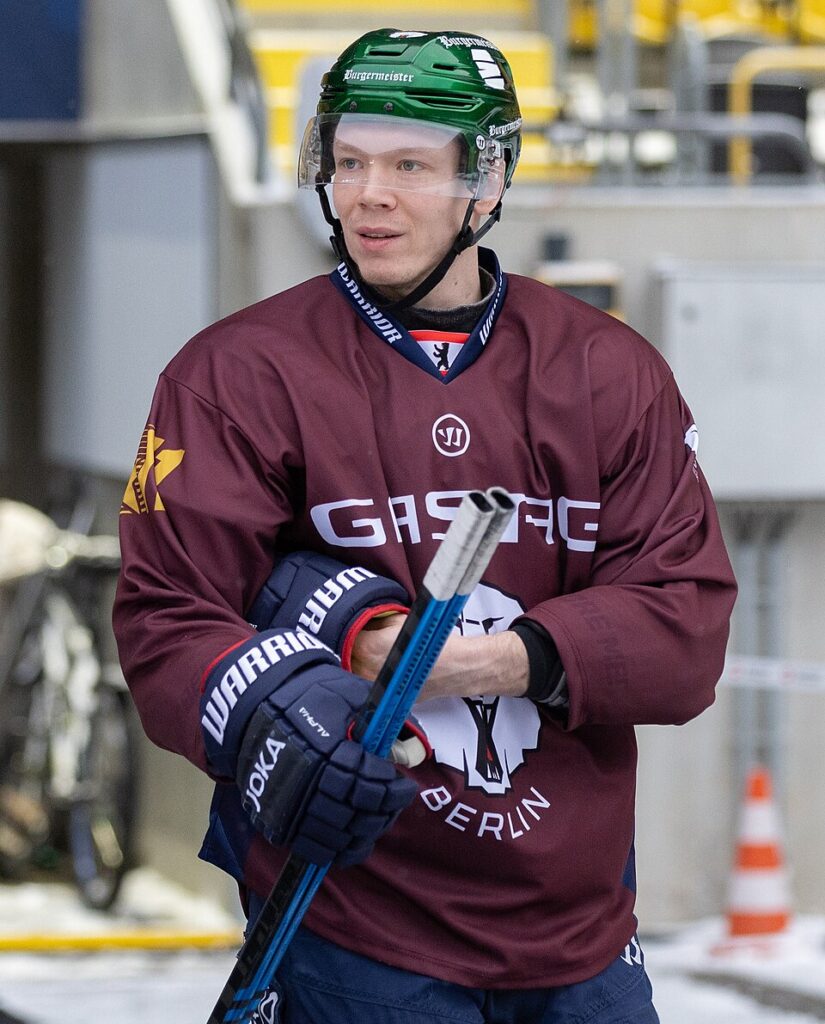
Mental training is the hidden edge that separates good hockey players from champions. While physical skills can be measured and improved through practice, the mental game determines how those skills perform under pressure during the 2025/26 season at clubs like Marden Russets Hockey Club (MRHC). Champions understand that success on the field requires as much mental preparation as physical conditioning, and they dedicate time to developing both aspects of their game, including selecting the right hockey equipment for optimal performance.
Key Takeaway
-
Mental toughness and resilience are essential for navigating the 2025/26 season demands at clubs like Marden Russets Hockey Club
-
5-10 minutes daily visualization training can train neural pathways for real-game performance
-
Champion mindset combines discipline, positive self-talk, and process-focused thinking under pressure
Core Mental Principles for Field Hockey Success
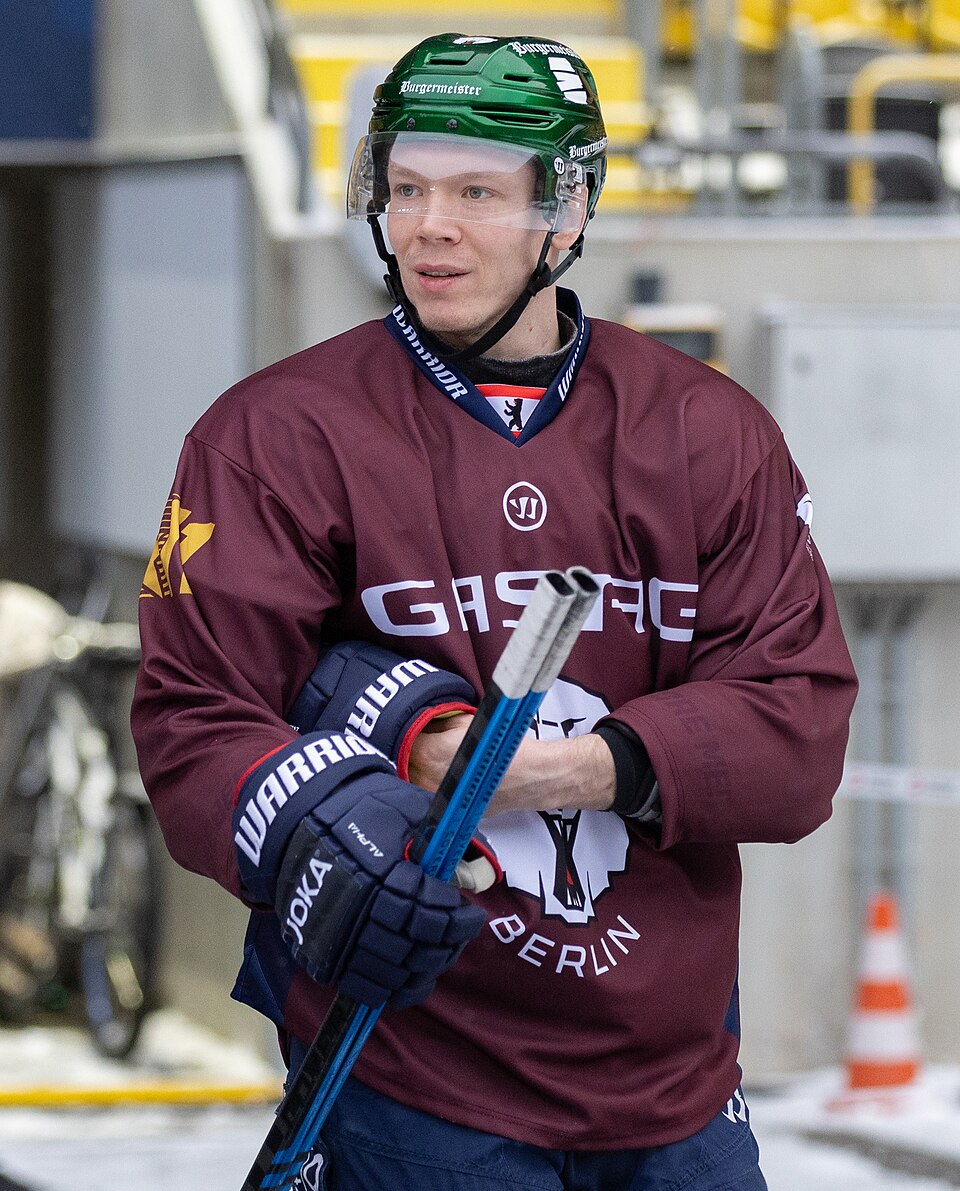
Resilience and Adaptability: Bouncing Back from Setbacks
Elite athletes focus on rebounding quickly from setbacks rather than dwelling on them. When a player misses a crucial shot or loses possession, champions immediately shift their focus to the next play instead of getting stuck in frustration. This mental agility allows them to maintain performance levels even after mistakes, preventing one error from snowballing into multiple failures. Understanding the evolution of hockey from ancient origins to modern game helps players appreciate the mental resilience required throughout the sport’s history.
-
Elite athletes focus on rebounding quickly from setbacks rather than dwelling on them. When a player misses a crucial shot or loses possession, champions immediately shift their focus to the next play instead of getting stuck in frustration. This mental agility allows them to maintain performance levels even after mistakes, preventing one error from snowballing into multiple failures.
-
Mental toughness involves performing consistently under pressure and controlling emotions. During penalty corners or tight matches, the ability to maintain composure separates players who crumble from those who thrive. Champions develop emotional regulation techniques that allow them to stay calm when the game is on the line, making better decisions under stress.
-
Setbacks become learning opportunities when approached with the right mindset. Instead of viewing a missed goal as failure, champions analyze what went wrong and adjust their approach for the next attempt. This growth mindset transforms obstacles into stepping stones for improvement, creating a continuous cycle of development rather than discouragement.
-
Quick recovery prevents one mistake from becoming a cascade of errors. Players who can reset mentally after a turnover are more likely to contribute positively to the next play rather than compounding their mistakes. This ability to compartmentalize errors and move forward is a hallmark of elite mental training.
Commitment and Self-Talk: Daily Discipline for Champions
A champion shows up daily regardless of their mood, demonstrating the discipline that separates elite performers from casual participants. This commitment means training even when tired, practicing skills even when progress feels slow, and maintaining effort even when motivation wanes. Positive self-talk helps players remain focused and disciplined during these challenging moments. Champions develop internal dialogue that encourages persistence rather than self-criticism. Instead of thinking “I can’t do this,” they tell themselves “I’m getting better with each attempt.” This mental discipline extends beyond practice sessions into game situations where pressure mounts. The ability to maintain focus when fatigued or frustrated determines whether a player can execute their skills when it matters most. Champions understand that mental preparation is as important as physical training, and they dedicate time to developing both aspects of their game. They recognize that consistency in mental approach creates reliability in performance, allowing them to trust their training when facing high-pressure situations. Off-season hockey training builds the physical foundation that mental training then optimizes.
Mental Training Techniques for 2026 Success
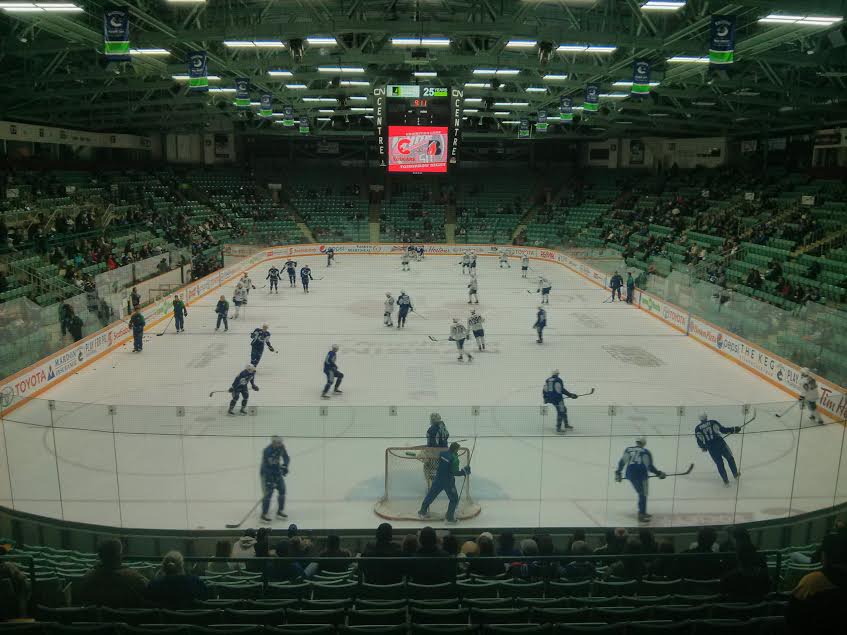
Visualization and Mental Rehearsal: 5-10 Minutes Daily Training
5-10 minutes daily to mentally rehearse skills, game scenarios, and successes can train the brain to fire the same neural pathways as real action. This daily mental practice creates muscle memory without physical fatigue, allowing players to refine their technique even when they cannot be on the field. The consistency of this practice builds confidence through familiarity with various game situations. Mental rehearsal complements physical practice of hockey techniques by reinforcing proper execution patterns.
-
5-10 minutes daily to mentally rehearse skills, game scenarios, and successes can train the brain to fire the same neural pathways as real action. This daily mental practice creates muscle memory without physical fatigue, allowing players to refine their technique even when they cannot be on the field. The consistency of this practice builds confidence through familiarity with various game situations.
-
Visualization trains the brain to fire the same neural pathways as real action. When players mentally rehearse a perfect drag flick or defensive positioning, their brain activates the same neural circuits that would fire during actual performance. Research shows that mental practice can improve performance by up to 35% when combined with physical training, making it a powerful tool for skill development.
-
Mental rehearsal reduces anxiety in high-pressure situations. By repeatedly visualizing successful execution of penalty corners or game-winning plays, players build confidence that translates to real-game performance. This mental preparation creates a sense of familiarity with pressure situations, reducing the likelihood of choking when it matters most.
-
Visualization helps players anticipate and prepare for various game scenarios. Mentally walking through different situations—from defending a lead to mounting a comeback—prepares the mind to respond effectively when those moments occur. This proactive approach to mental training gives players a competitive advantage by reducing reaction time and improving decision-making under pressure.
Reset Routines and Process-Focused Thinking
Developing a quick routine, such as taking a deep breath, to let go of errors and immediately refocus on the next play is crucial for maintaining performance throughout a match. These reset routines act as mental triggers that signal the brain to release negative thoughts and return to optimal performance state. Players are encouraged to focus on the immediate play rather than the final result, allowing them to perform with confidence rather than fear of failure. This process-focused thinking means concentrating on executing the current pass, maintaining proper positioning, or applying the right defensive pressure instead of worrying about the scoreboard or game outcome. When players focus on the process, they naturally produce better results because their attention remains on controllable factors rather than external pressures. This approach also reduces performance anxiety by shifting attention away from potential negative outcomes toward actionable steps in the present moment. Champions understand that the only play that matters is the one currently happening, and they train their minds to stay present throughout the entire match.
Champion Mindset Application at Marden Russets Hockey Club
2025/26 Season Demands and Team Energy
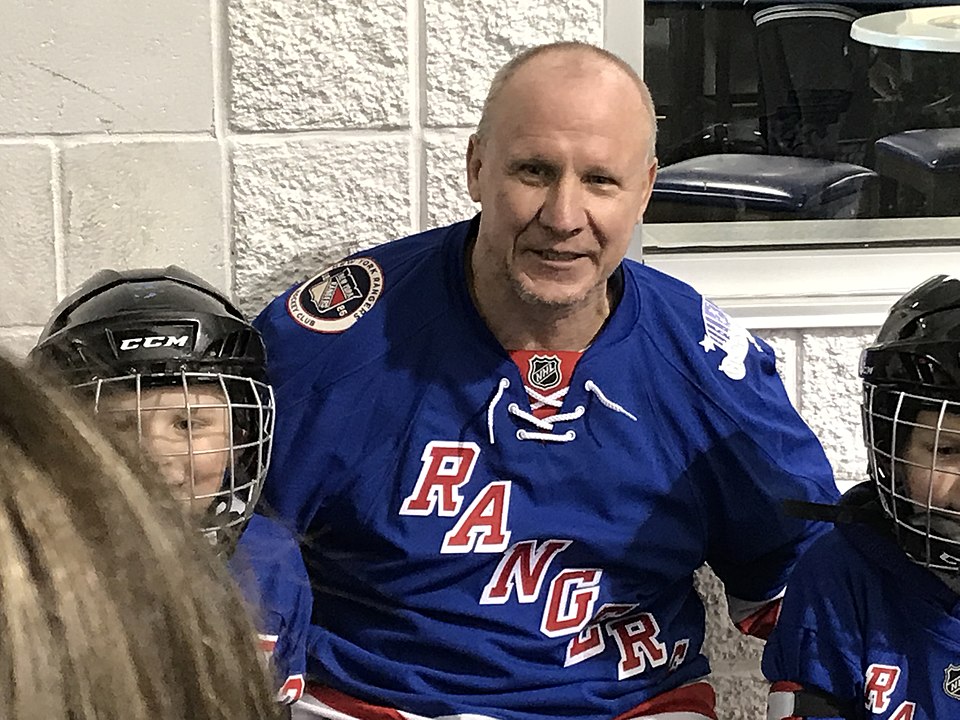
The 2025/26 season in full swing with over 500 goals across the club demonstrates the high level of competition and performance expectations at Marden Russets Hockey Club. This achievement reflects both individual skill development and collective team effort, creating an environment where mental toughness is continuously tested and refined. The club’s success creates pressure to maintain high standards, making mental training essential for handling expectations. Players are encouraged to embrace the ‘black & yellow’ energy that represents the club’s identity and fighting spirit. This team energy creates a supportive environment where players push each other to improve while maintaining positive relationships. The shared commitment to excellence builds mental resilience through collective accountability and mutual support during challenging moments. Teamwork and dedication are emphasized throughout the final, challenging weeks of the season. As fatigue sets in and the pressure to perform increases, the mental strength of the team becomes as important as physical conditioning. Players must maintain focus and motivation even when results are not immediately forthcoming, requiring strong mental discipline and team cohesion. Continuous improvement remains the focus even when results are already strong. Champions understand that resting on past successes leads to complacency, while maintaining the drive to improve ensures sustained excellence throughout the season. This growth mindset creates a culture where players constantly seek ways to enhance their mental and physical performance. Regular hockey passing drills build the team chemistry that supports mental resilience during high-pressure moments.
-
The 2025/26 season in full swing with over 500 goals across the club demonstrates the high level of competition and performance expectations at Marden Russets Hockey Club. This achievement reflects both individual skill development and collective team effort, creating an environment where mental toughness is continuously tested and refined. The club’s success creates pressure to maintain high standards, making mental training essential for handling expectations.
-
Players are encouraged to embrace the ‘black & yellow’ energy that represents the club’s identity and fighting spirit. This team energy creates a supportive environment where players push each other to improve while maintaining positive relationships. The shared commitment to excellence builds mental resilience through collective accountability and mutual support during challenging moments.
-
Teamwork and dedication are emphasized throughout the final, challenging weeks of the season. As fatigue sets in and the pressure to perform increases, the mental strength of the team becomes as important as physical conditioning. Players must maintain focus and motivation even when results are not immediately forthcoming, requiring strong mental discipline and team cohesion.
-
Continuous improvement remains the focus even when results are already strong. Champions understand that resting on past successes leads to complacency, while maintaining the drive to improve ensures sustained excellence throughout the season. This growth mindset creates a culture where players constantly seek ways to enhance their mental and physical performance.
The 4 C’s Formula: Commitment, Confidence, Concentration, Courage
The 4 C’s Formula: Commitment, Confidence, Concentration, Courage. Commitment builds consistency through training with intent, confidence enables risk-taking in high-pressure moments, concentration reduces errors by maintaining focus, and courage creates opportunities through calculated risks. Understanding these principles helps players execute complex hockey strategy during critical game situations.
|
Mental Principle |
Application in Hockey |
Performance Impact |
|---|---|---|
|
Commitment |
Training with intent to be the best, pushing through fatigue |
Builds consistency and work ethic that translates to game performance |
|
Confidence |
Believing in your ability to handle high-pressure moments |
Enables risk-taking and decisive action during critical plays |
|
Concentration |
Maintaining focus on current play rather than worrying about past or future |
Reduces errors and improves decision-making under pressure |
|
Courage |
Facing challenges head-on and taking calculated risks on the field |
Creates opportunities for game-changing plays and leadership |
The most surprising finding in hockey mental training is that physical practice and mental rehearsal activate the same neural pathways in the brain. This means that 5-10 minutes of daily visualization can be as effective as additional physical training for skill development. The most actionable step you can take today is to implement a simple reset routine: after each play, take one deep breath, release any negative thoughts, and focus on the next immediate action. This single habit can transform how you handle pressure and recover from mistakes throughout the 2025/26 season. By combining these mental training techniques with physical preparation, you can develop the champion’s mindset that separates good players from great ones.
Frequently Asked Questions About Hockey Mental Training
What are the core mental principles for field hockey success?
Commitment, confidence, concentration, and courage are the four core mental principles. Commitment builds consistency through training with intent, confidence enables risk-taking in high-pressure situations, concentration reduces errors by maintaining focus, and courage creates opportunities through calculated risks. Players can enhance their mental game by staying updated on 2026 hockey rules updates to avoid mental lapses during critical moments.
How does mental training improve field hockey performance?
Mental training enhances performance by building confidence for decisive action, improving concentration to reduce errors, developing courage for game-changing plays, and strengthening commitment for consistent work ethic.
What is the champion mindset application in field hockey?
The champion mindset applies mental principles through consistent training with intent, maintaining confidence in high-pressure situations, staying focused on current plays, and facing challenges with courage.
