
Master hockey stick handling with just 10 minutes of daily practice. Quick wrists, low posture, and soft touches are the foundation of effective puck control, and consistent off-ice drills can dramatically improve your coordination within two weeks.
Key Takeaway
-
10 minutes daily stickhandling practice improves puck control and coordination within 2 weeks
-
Off-ice drills at home without fancy equipment can dramatically improve stickhandling skills
-
Top hand control and bent knees are essential fundamentals for effective stickhandling
10-Minute Daily Stickhandling Routine for Beginners
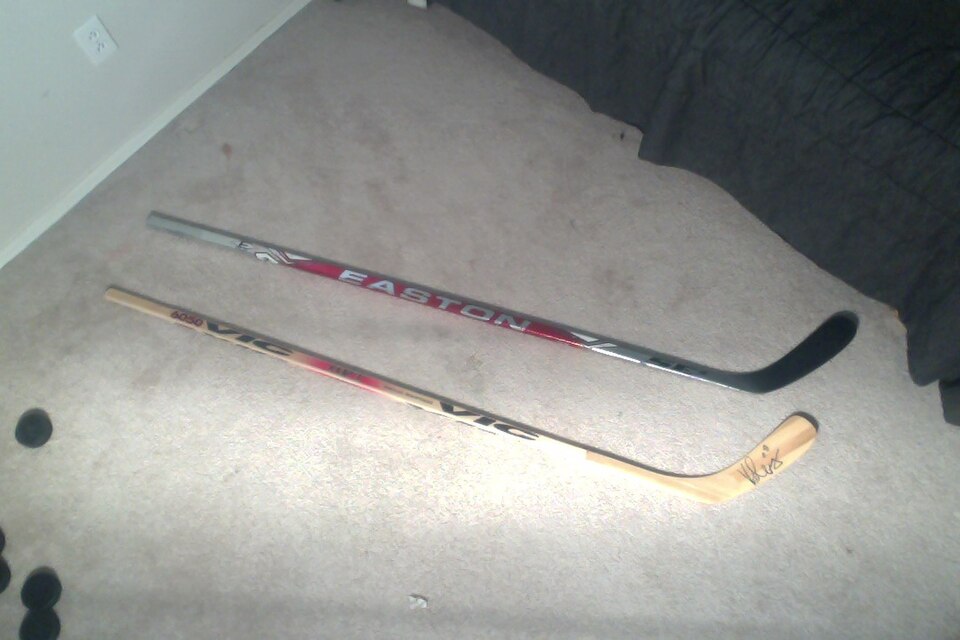
Building stickhandling skills starts with a structured daily routine that progressively challenges your control and coordination. This 10-minute session focuses on fundamental movements that translate directly to on-ice performance.
5-Minute Daily Stickhandling Routine Structure
-
0-2 min: Warm-up (Basic Dribbling) – Short, quick taps side-to-side, focusing on cupping the ball with the blade. Keep your top hand relaxed and let the puck roll naturally across the stick face.
-
2-4 min: Wide Dribbling – Move the ball as wide as possible to both sides, rolling the wrists to keep the blade over the ball. This builds lateral control and strengthens your forearm muscles.
-
4-6 min: Figure 8s – Use two obstacles (cones or pucks) to move the ball in a figure-eight pattern. This drill improves your ability to navigate around defenders and maintain control in tight spaces.
-
6-8 min: Forward/Backward Dribbling – Move the ball in a U-shape or front-to-back motion. This develops your ability to protect the puck while changing directions quickly.
-
8-10 min: Rapid Movement/Speed Focus – 30 seconds of maximum speed dribbling, 30 seconds rest, repeat. This builds game-speed control and reaction time under pressure.
Essential Stickhandling Fundamentals
-
Look Up – Practice looking away from the ball to build peripheral vision. This skill is crucial for maintaining awareness of defenders and teammates while controlling the puck.
-
Bent Knees – Maintain a low, athletic stance rather than standing upright. This position provides better balance and allows for quicker directional changes.
-
Top Hand Control – Let the top hand do most of the work by rolling the wrist. This creates smoother movements and more precise puck placement.
-
Wide Hand Position – Keeps the ball away from the body to protect it. This positioning makes it harder for defenders to poke check or steal the puck.
-
Daily Consistency – 10 minutes daily is more effective than one long, weekly session. Regular practice builds muscle memory and confidence faster than sporadic training.
Off-Ice Stickhandling Drills You Can Do at Home
Off-ice training eliminates the need for ice time while still developing crucial stickhandling skills. These drills can be performed in your living room, garage, or driveway with minimal equipment.
60+ Off-Ice Stickhandling Drills for Home Practice
|
Drill Type |
Equipment Needed |
Skill Focus |
Difficulty Level |
|---|---|---|---|
|
Basic Dribbling |
Puck or ball |
Control, rhythm |
Beginner |
|
Obstacle Course |
Cones, pucks |
Agility, precision |
Intermediate |
|
Figure 8 Variations |
Two obstacles |
Coordination, speed |
Beginner to Advanced |
|
Wall Rebounds |
Ball, wall |
Reaction time |
Intermediate |
|
Shadow Stickhandling |
No equipment |
Technique, form |
All levels |
|
Partner Passing |
Ball, partner |
Accuracy, timing |
Intermediate |
|
Speed Dribbling |
Puck or ball |
Quick hands, control |
Advanced |
|
3D Skills |
Puck or ball |
Aerial control |
Advanced |
2-Week Stickhandling Challenge
Commit to 10 minutes of daily stickhandling practice for two weeks and track your progress. The first week focuses on mastering basic movements and building consistency. By day 7, you’ll notice smoother puck control and increased confidence handling the stick.
Week two introduces more complex patterns and speed variations. Start incorporating figure 8s around multiple obstacles and practice looking up while maintaining control. The goal is to develop game-like awareness where you can handle the puck without staring directly at it.
Many players report dramatic improvements after just 14 days of consistent practice. The key is maintaining proper form throughout each drill and gradually increasing difficulty as your skills improve. Track your progress by recording yourself on day 1 and day 14 to see the difference in control and fluidity.
How to Improve Stick Handling in Hockey
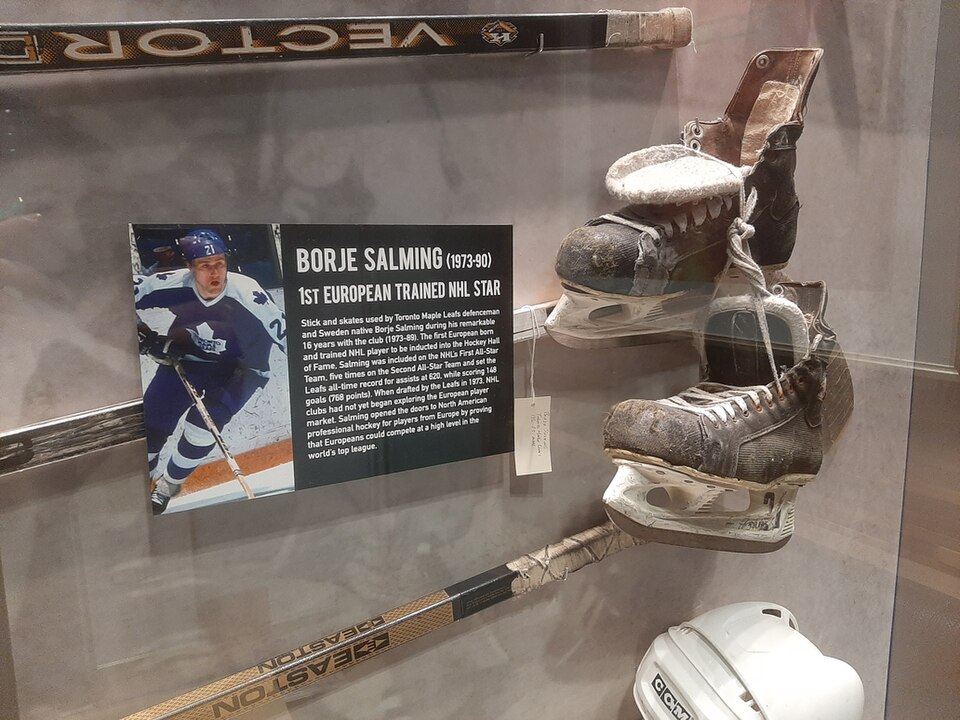
Effective stickhandling combines technical skill with game awareness. Understanding the differences between ice hockey and field hockey techniques helps players adapt their approach based on the sport they’re playing.
Field Hockey vs Ice Hockey Stickhandling Differences
Field hockey stickhandling emphasizes quick wrist movements and soft touches on grass or turf surfaces. Players use a shorter, lighter stick and must maintain contact with the ball at all times. The playing surface affects how the ball rolls and bounces, requiring players to adjust their hand positioning and body stance. Understanding the evolution of hockey from ancient origins to modern game helps explain why field hockey techniques differ from ice hockey approaches.
Ice hockey stickhandling involves a heavier puck on a smooth, slippery surface. Players can use both sides of the stick blade and have more freedom to lift the puck. The ice allows for faster movements and more dramatic direction changes, but also requires stronger grip strength to maintain control.
Both sports share fundamental principles: bent knees, head up awareness, and using the top hand for control. However, ice hockey players often use longer sticks for reach advantage, while field hockey players prefer shorter sticks for better ball control in tight spaces.
Advanced Stickhandling Techniques
-
3D Skills – Also known as lifts, jinks, or pops, these are some of the hardest skills to defend against and can be used by all outfield positions. They involve lifting the puck or ball off the playing surface to evade defenders.
-
Quick Release Shots – Combining stickhandling with immediate shooting action. This technique catches goalies off guard and creates scoring opportunities in tight spaces.
-
Protect the Puck – Using your body as a shield while maintaining control. This involves positioning your body between the defender and the puck while continuing to handle the stick effectively.
-
Change of Pace – Alternating between slow, controlled movements and sudden bursts of speed. This keeps defenders off balance and creates space for offensive plays.
-
Off-Hand Development – Strengthening your non-dominant hand for better two-way control. This skill allows you to handle the puck effectively regardless of which direction you’re facing.
The most surprising finding from stickhandling research is that players who practice off-ice for just 10 minutes daily show measurable improvement within 14 days, regardless of their initial skill level. This consistency beats longer, less frequent practice sessions every time.
Start your stickhandling journey today by setting aside 10 minutes for focused practice. Choose one drill from this guide, maintain proper form, and track your progress. Within two weeks, you’ll notice significantly better puck control and increased confidence on the ice. To maximize your development, consider how off-season hockey training can build strength and endurance that complements your stickhandling skills.
Frequently Asked Questions About Hockey Stick Handling Drills
How to improve stick handling in hockey?
Practice basic dribbling for control and rhythm, use obstacle courses for agility, and try figure 8 variations to improve coordination and speed.
What are the four basic skills in hockey game?
The four basic skills are dribbling, receiving (trapping), passing, and tackling. Mastering these is essential before advancing to more complex skills. Once you’ve developed solid fundamentals, hockey passing drills can help build team chemistry and accuracy that enhances your overall game performance.
What hockey stick is best for stick handling?
The four basic skills are dribbling, receiving (trapping), passing, and tackling. Mastering these is essential before advancing to more complex skills. For players looking to upgrade their gear, choosing the right hockey stick can significantly impact stickhandling performance.
