
Hockey equipment sizing is critical for performance and safety. Research shows that improper fit causes 60% of hockey equipment-related injuries, making accurate sizing essential for every player. Understanding the hockey history can help appreciate how equipment has evolved to enhance player safety and performance.
- Skates: 1-1.5 sizes smaller than shoes (e.g., US 8 = skate 6.5-7)
- Sticks: Blade to chin-nose on skates; flex = weight/2
- Protective gear: Full overlap coverage, no skin exposed
- Never buy “room to grow” – improper fit causes injuries
How to Size Hockey Skates: The 1-1.5 Size Rule and Brand Differences
Skate Size Conversion: 1-1.5 Sizes Smaller Than Shoes
Ice hockey skates fit 1-1.5 sizes smaller than your regular shoe size. For example, if you wear a US men’s size 8 shoe, you’ll need a skate size 6.5-7. This tighter fit provides better control and prevents blisters.
Youth skate sizes range from 6Y to 13.5Y for players under age 9. Junior sizes cover 1 to 5.5 for ages 9-13, while senior sizes start at 6+ for teens and adults. The conversion works consistently across brands, though fit varies by manufacturer.
Common mistakes include buying skates too large for “room to grow” or matching regular shoe sizes. Skates should feel snug but not painful, with your toes barely touching the toe cap when standing. Always wear hockey socks when trying on skates for accurate sizing.
Bauer vs CCM Fit Profiles: Narrow Heel vs Wide Toe
Bauer skates feature a narrower heel and more anatomical fit, making them ideal for players with standard-width feet or those preferring a locked-in feel. The heel lock provides better control during quick direction changes.
CCM skates offer a wider toe box and heel, accommodating players with wider feet or those who prefer more comfort. The additional volume reduces pressure points while maintaining performance.
Choose Bauer if you have narrow to standard-width feet, prefer a performance-oriented fit, or experience heel lift in other skates. Select CCM if you have wide feet, prioritize comfort, or need more volume in the forefoot. Many players find trying both brands essential for finding their perfect fit.
Heat Molding and Width Options: D vs EE
Heat molding transforms new skates from stiff to comfortable by softening the boot material and allowing it to conform to your foot shape. Most modern skates offer heat molding, which eliminates break-in periods and reduces blisters.
Width options include D (standard) and EE (wide) across most brands. D width fits approximately 80% of players, while EE accommodates wider feet or those preferring more volume. Some manufacturers offer additional widths for specialized fits.
Heat molding works best when done professionally at a hockey shop, though home kits exist. The process typically takes 2-3 hours and can be repeated if needed. Width selection should match your foot measurements – too narrow causes pain, while too wide reduces control.
Hockey Stick Sizing by Height and Flex: Chin-Nose Method and Weight-Based Flex
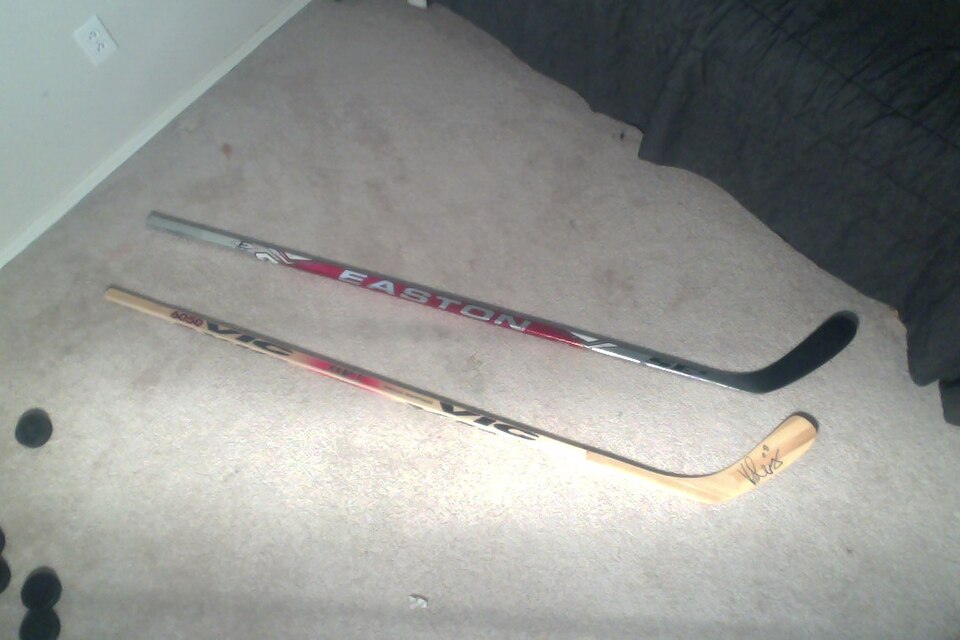
Height-Based Stick Sizing: Blade to Chin-Nose on Skates
The proper hockey stick length reaches from the ice to your chin or nose when wearing skates. This measurement ensures optimal control and shooting mechanics. Stand in your skating stance without shoes, and the stick should touch your chin.
Youth players (ages 3’6″-4’8″) need sticks 30-40 inches long. Junior players (4’4″-5’1″) require 40-52 inch sticks. Intermediate players use 55-70 inch sticks, while senior players need 75-100+ inch sticks based on their height.
To measure correctly, stand straight with skates on and place the stick’s toe on the floor. The top of the shaft should reach your chin or slightly below your nose. Cutting a stick too short reduces reach and poke-checking ability, while too long affects stickhandling and shooting accuracy. For the latest equipment recommendations, check out best hockey sticks 2026 reviews before making your purchase.
Flex Rating: Weight/2 Rule for Optimal Performance
Flex rating determines how much pressure is needed to bend the stick shaft. The weight/2 rule provides a starting point: divide your body weight in pounds by 2 to find your ideal flex. A 160-pound player should use an 80 flex stick.
Flex options by weight:
- 80-100 flex: Players 160-200 pounds
- 100-120 flex: Players 200-240 pounds
- 140+ flex: Players over 240 pounds
Position affects flex choice. Forwards often prefer softer flexes (10-20 less than weight/2) for quicker shots, while defensemen choose stiffer flexes (10-20 more) for poke checks and slap shots. Goalies use specialized ultra-stiff sticks around 150+ flex.
Using incorrect flex causes problems. Too soft leads to inaccurate shots and reduced power, while too stiff makes wrist shots difficult and reduces shot velocity. Most players benefit from testing multiple flexes before purchasing.
Youth vs Junior vs Senior Stick Categories
Youth sticks (30-40 flex) suit players under 4’8″ tall, typically ages 5-10. These sticks feature smaller shaft diameters and lighter weights for developing players. The low flex helps young players generate power without requiring strength.
Junior sticks (40-52 flex) fit players 4’4″-5’1″ tall, usually ages 8-13. They offer larger shaft sizes than youth sticks while maintaining manageable flex ratings. The transition from youth to junior often occurs around age 10-11.
Senior sticks (75-100+ flex) serve players over 5’1″ tall. These feature adult shaft dimensions and higher flex ratings for maximum performance. Intermediate sticks (55-70 flex) bridge the gap for growing players aged 12-15.
Parents should upgrade sticks when players outgrow current lengths or develop strength for higher flex ratings. Signs include the stick reaching too high on the face or difficulty generating shot power. Regular hockey drills can help determine when equipment upgrades are needed based on skill development.
Protective Gear Sizing: Shin Guards, Helmets, and Elbow Pads
Shin Guard Sizing: Knee Center to Skate Top
Measure from the center of your kneecap to the top of your skate tongue for proper shin guard length. This measurement ensures complete coverage from knee to ankle, protecting against slashes and pucks.
Youth players need 7-10 inch shin guards, juniors require 10-12 inches, and seniors use 12-15 inches. The guard should extend 1-2 inches above the knee and reach the skate tongue when in a skating stance.
Proper fit prevents exposed skin between the guard and skate. The knee should sit centered in the guard’s knee cup, and the bottom should overlap the skate tongue by at least 1 inch. Too short leaves ankles vulnerable, while too long restricts movement.
Helmet Sizing: 1″ Above Eyebrows Circumference
Measure your head circumference 1 inch above your eyebrows, keeping the tape level around the widest part of your head. This measurement determines your helmet size, which should fit snugly without pressure points.
Helmets must meet CSA (Canadian Standards Association) or HECC (Hockey Equipment Certification Council) standards for safety. These certifications ensure the helmet passes impact testing and provides adequate protection.
Replace helmets every 2 years or after any significant impact. The foam liner degrades over time, reducing protection even if the helmet appears undamaged. Signs of needed replacement include loose fit, visible damage, or outdated certification stickers.
Elbow Pads and Pants: Coverage Overlap Requirements
Elbow pads should extend from the shoulder pad bottom to the glove cuff, covering the entire elbow joint. Measure from your shoulder pad edge to your wrist to find the correct length. The pad should stay in place during movement without sliding.
Hockey pants must overlap shin guards by 1-2 inches when standing. The waist should fit snugly without pinching, and the leg should reach the top of your kneecaps. Too short exposes thighs to impacts, while too long restricts skating motion.
Check coverage by assuming your skating stance. No skin should be visible between any protective pieces. The elbow pad should cover completely when your arm is bent, and pants should stay in place during movement. Proper overlap prevents injuries from pucks and sticks penetrating gaps in protection.
For optimal fit and performance, visit a professional hockey shop where trained staff can measure you accurately and heat mold skates to your feet. Many shops offer fitting services that prevent costly mistakes and ensure your equipment provides maximum protection and comfort. Staying updated on 2026 hockey rules can also help you understand equipment requirements and safety standards.
