
Effective hockey team communication is the foundation of successful on-ice coordination, enabling players to make split-second decisions and protect teammates during fast-paced gameplay. Research shows that both verbal cues and non-verbal signals are essential components of team communication, with NHL players demonstrating constant communication at the highest level of the sport.
-
Effective hockey communication relies on both verbal cues (short commands like “Heads,” “Back,” “Turn”) and non-verbal signals (stick taps, eye contact, body positioning)
-
Communication helps build chemistry, speed up decision-making, and protect teammates (a quick “Heads!” call can prevent injury)
-
NHL players demonstrate constant communication at the highest level of the sport
-
Pre-scanning (checking surroundings before receiving the puck) is crucial for making faster, more effective decisions
-
Trust-building through open dialogue in team meetings strengthens bonds and improves on-field coordination
Essential Verbal Cues for On-Ice Communication
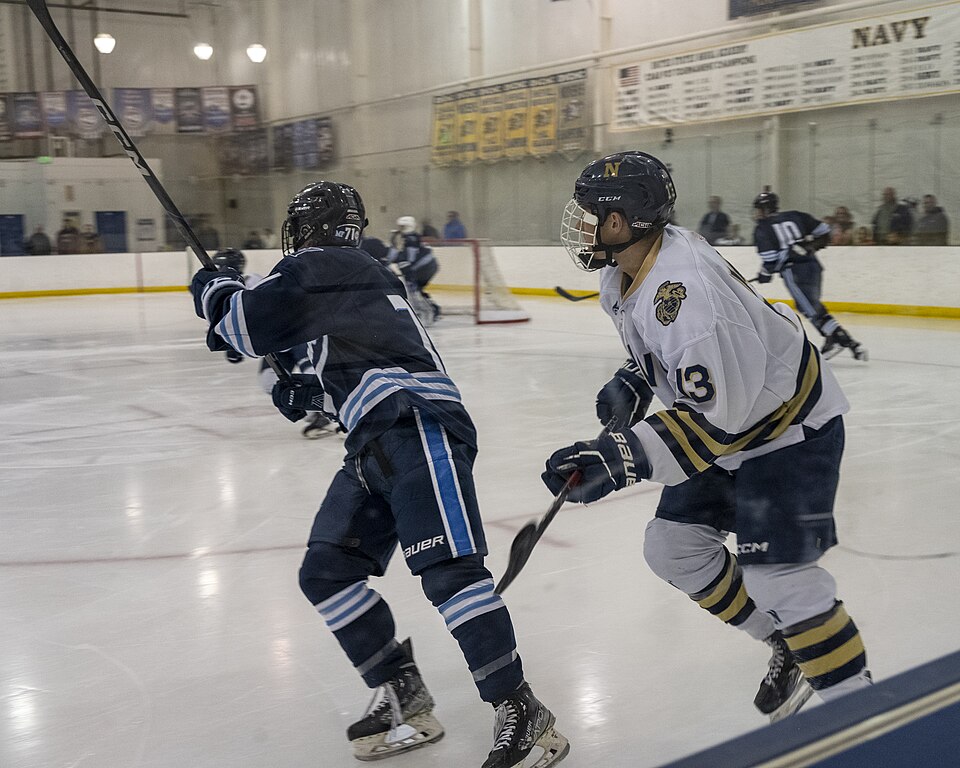
Common verbal commands used by successful hockey teams
Short, clear commands are the backbone of effective hockey communication. Successful teams use specific verbal cues that can be understood instantly during high-speed play. The most common commands include “Heads” to warn teammates about incoming pressure, “Back” to indicate defensive support, and “Turn” to signal when a player can safely change direction with the puck.
NHL players demonstrate constant communication at the highest level of the sport, using verbal cues to coordinate positioning, passing lanes, and defensive coverage. Professional teams emphasize that over-communication is better than under-communication, as even small misunderstandings can lead to turnovers or missed opportunities.
Teams develop their own specific vocabulary based on their playing style and coaching philosophy. Some teams use coded words for specific plays, while others rely on simple, universal commands that every player understands. The key is consistency – all players must understand and respond to the same verbal cues in the same way.
Communication patterns vary by position. Defensemen often use commands like “Gap” to indicate defensive pressure or “Switch” to coordinate coverage changes. Forwards use cues like “Drive” to signal aggressive net-front presence or “Cycle” to indicate puck movement along the boards. Goaltenders communicate with defensemen using terms like “Screen” or “Pressure” to describe what they’re seeing from their vantage point.
How verbal cues prevent injuries and improve safety
A quick “Heads!” call can prevent serious injuries during fast-paced hockey games. This simple verbal cue alerts teammates to potential collisions, loose pucks, or dangerous situations developing behind them. Players who are focused on the puck may not see an opponent approaching from behind, making verbal warnings crucial for safety.
Communication also helps protect teammates during physical play along the boards. When a player is about to receive a check, teammates can call out warnings or offer support. Similarly, goaltenders rely on verbal cues from defensemen to understand when they’re screened or when opponents are driving the net.
Teams that communicate effectively experience fewer injuries and collisions because players are constantly aware of their surroundings. This awareness extends beyond immediate safety – it also helps players avoid unnecessary contact that could lead to penalties or fatigue during critical moments of the game.
Verbal communication becomes even more critical during special teams play. On penalty kills, players use specific calls to coordinate pressure and passing lane coverage. During power plays, communication helps teams maintain puck possession and create scoring chances through precise passing sequences.
Non-Verbal Communication Signals and Body Language
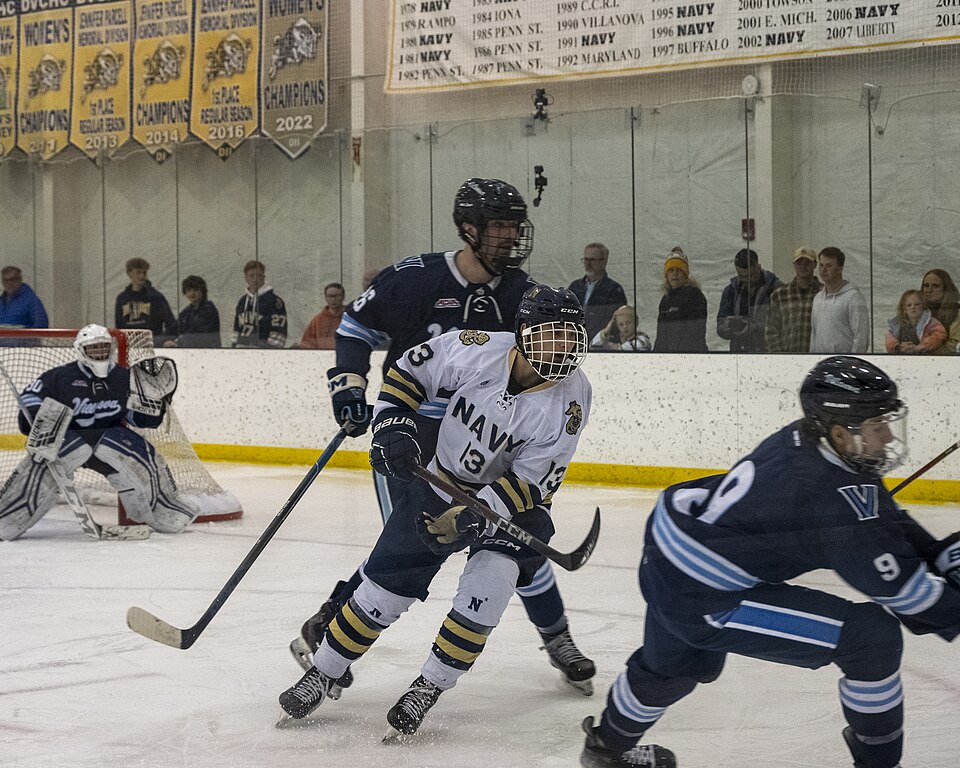
Stick taps, eye contact, and positioning signals
-
Stick taps – Players tap their sticks on the ice to signal readiness for a pass or to indicate open passing lanes. A quick tap can tell a teammate exactly where to direct the puck.
-
Eye contact – Brief eye contact between players establishes connection and understanding without words. Goalies use eye contact to communicate with defensemen about coverage assignments.
-
Body positioning – How a player positions their body telegraphs their intentions. Opening up the hips signals readiness to receive a pass, while angling the body can indicate a planned breakout route.
-
Hand signals – Simple hand gestures can communicate complex strategies, such as pointing to indicate where a player wants the puck or using specific motions to signal line changes.
-
Head turns – Quick head turns before receiving the puck help players assess their surroundings and make better decisions about passing or shooting.
Non-verbal signals are particularly valuable in loud arenas where verbal communication becomes difficult. Professional teams develop sophisticated systems of non-verbal cues that allow them to execute complex plays without speaking. These signals become second nature through repetition and practice.
Body language also communicates confidence and urgency. A player standing tall with open posture signals readiness and confidence, while hunched shoulders might indicate fatigue or uncertainty. Teammates read these signals constantly, adjusting their play accordingly.
Goalies use extensive non-verbal communication, from glove taps to signal defensive assignments to specific movements that indicate where they want defensemen to direct shots. These subtle signals help coordinate the team’s defensive structure without requiring verbal communication.
Pre-scanning techniques for faster decision-making
Pre-scanning is one of the most critical yet underutilized communication techniques in hockey. This involves checking your surroundings before receiving the puck to understand where teammates, opponents, and open ice are located. Players who master pre-scanning make faster, more effective decisions because they already know their options before the puck arrives.
Elite players typically pre-scan 2-3 times during each shift, creating a mental map of the ice that allows them to react instantly. This technique is especially important for centermen and defensemen who handle the puck frequently and need to make quick decisions under pressure.
Teams can improve their pre-scanning through specific drills that force players to look around before touching the puck. Coaches often use small-area games where players must call out colors or numbers they see before they’re allowed to pass, training the habit of pre-scanning under game-like conditions.
Advanced pre-scanning involves not just seeing where players are, but anticipating where they’ll be. Skilled players read body language and skating patterns to predict movements, allowing them to make passes to space rather than to stationary targets. This predictive element separates good players from great ones.
Drills and Exercises to Improve Team Communication
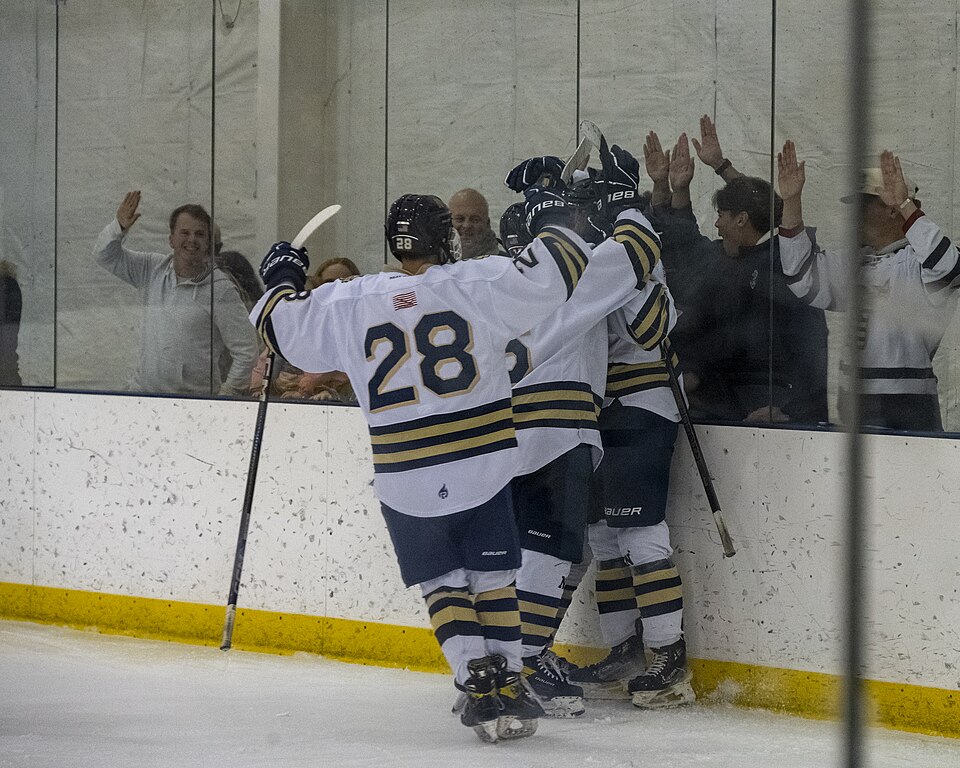
Call-and-pass drills for verbal coordination
-
Color call drill – Players must call out the color of a cone or jersey before passing, forcing verbal communication under pressure.
-
Numbers game – Players assigned numbers must call their number before receiving a pass, ensuring everyone speaks up during drills.
-
Gate passing – Players pass through designated “gates” on the ice while calling out the gate number, combining spatial awareness with verbal cues.
-
2v1 scenarios – Small-area games where the offensive players must constantly communicate about passing options and shooting angles.
-
Whistle commands – Coaches use whistle signals for specific actions, teaching players to respond to auditory cues quickly.
These drills build the habit of communication while also improving technical skills. The key is making communication mandatory during every drill, not just optional. Teams that communicate effectively during practice are much more likely to communicate during games.
Progressive communication drills start simple and increase in complexity. Beginners might start with basic call-and-pass exercises, while advanced teams work on silent communication systems where players must execute plays using only non-verbal signals.
Small-area games are particularly effective for building communication because they create high-pressure situations where quick decisions are essential. Players learn to communicate instinctively when they’re constantly under pressure to make the right play.
Trust-building exercises for team chemistry
Trust-building exercises off the ice translate directly to improved on-ice communication. Team meetings where players openly discuss their perspectives on the game help everyone understand different viewpoints and playing styles. Hockey Hall-of-Famer Martin St. Louis emphasized understanding teammates’ perspectives as crucial for team success.
Simple trust exercises like partner passing drills, where players must rely on each other’s timing and accuracy, build confidence in teammates’ abilities. More complex exercises might involve problem-solving challenges that require communication and collaboration to complete.
Teams that invest time in building trust off the ice communicate more effectively during games because players know they can rely on each other. This trust allows for more aggressive offensive plays, better defensive coverage, and quicker adjustments to changing game situations.
Team-building activities outside of hockey practice also strengthen communication bonds. Whether it’s community service projects, team dinners, or recreational activities, these shared experiences create connections that translate to better on-ice chemistry.
The most surprising finding about hockey team communication is that the best teams don’t just communicate during games – they’ve built communication habits that extend to every aspect of their preparation and interaction. The teams that win championships are often those that communicate most effectively, both verbally and non-verbally.
To immediately improve your team’s communication, start with a simple drill: during your next practice, require every player to call out “I’m open” or “Man on” at least three times per shift. This forces everyone to use their voice and builds the habit of constant communication that separates good teams from great ones.
Frequently Asked Questions About Hockey Team Communication
What are the 5 C’s of team building?
The 5 C’s of team building – Communication, Collaboration, Commitment, Common goals, and Conflict Resolution – are essential for hockey teams to execute coordinated plays and maintain on-ice chemistry.
What are the 7 C’s of effective team building?
The 7 C’s of effective team building – Communication, Collaboration, Coordination, Cooperation, Commitment, Creativity, and Celebration – help hockey teams develop seamless on-ice communication and trust during 2v1 scenarios.
How has field hockey changed over the years?
Field hockey has evolved with advanced equipment like carbon fiber sticks and smart helmets, improving player safety and communication, which directly enhances team coordination during fast-paced 2v1 situations.
