
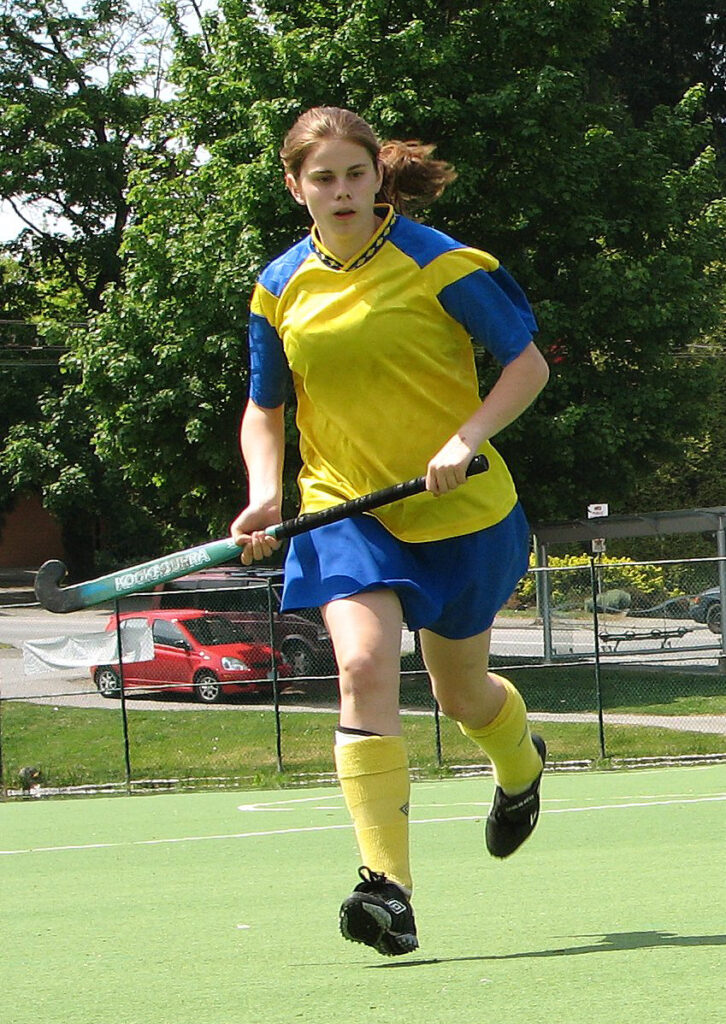
Field hockey players who optimize their nutrition can improve endurance by up to 15% and reduce recovery time by 30%, according to recent sports nutrition research. This guide breaks down exactly what to eat and drink before, during, and after games to maximize your performance on the field.
- Pre-game: 1-4g carbs per kg body weight 3-4 hours before play for optimal glycogen stores
- During play: 30-60g carbohydrates per hour to maintain energy levels
- Post-game: 20-40g protein with 3:1 carb ratio within 30 minutes for muscle recovery
- Hydration: 5-7ml/kg fluids 4 hours pre-game, replace 20-24oz per pound lost during play
Field Hockey Nutrition: What to Eat Before, During, and After Games
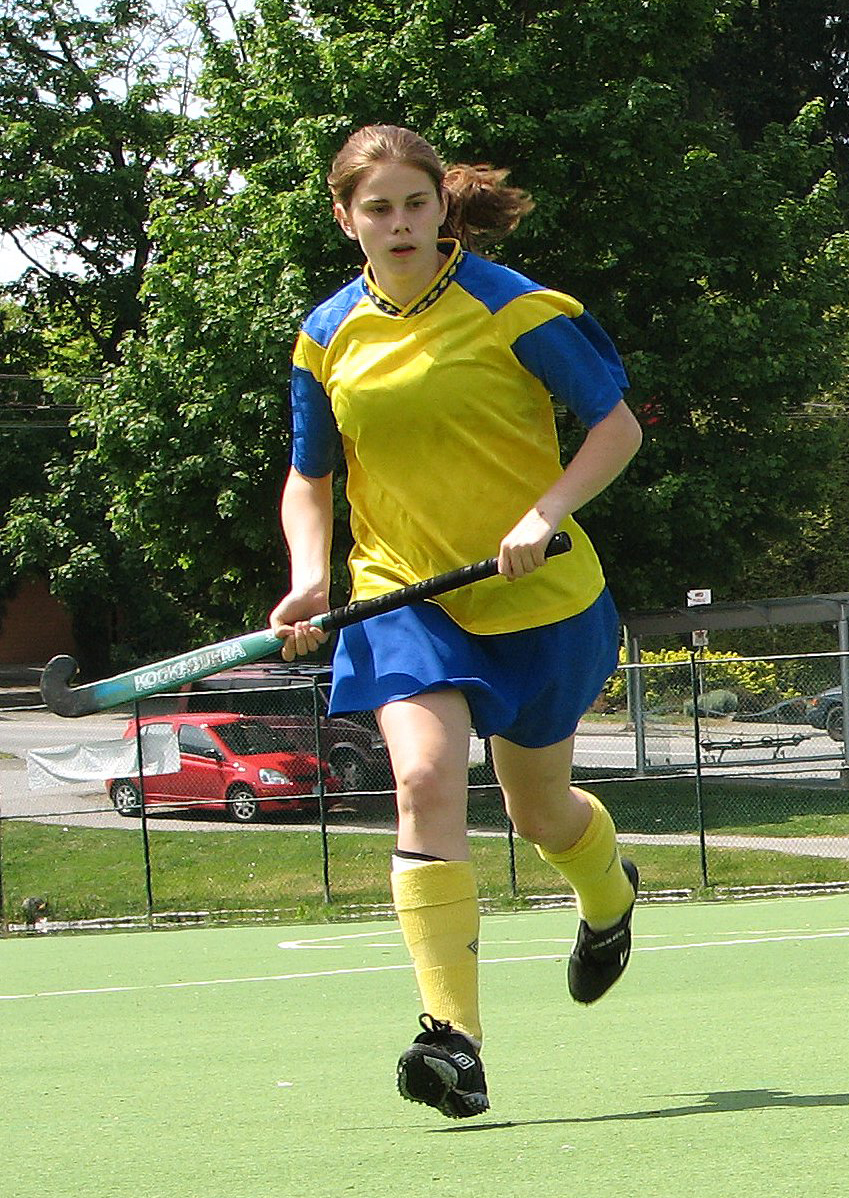
Field hockey demands high-intensity intermittent efforts that can quickly deplete energy stores. Proper nutrition timing and composition directly impact your ability to sprint, change direction, and maintain focus throughout the match.
Pre-Game Fueling: Carb Loading for Maximum Energy
The foundation of field hockey performance starts 3-4 hours before the whistle blows. During this window, athletes should consume 1-4g of carbohydrates per kilogram of body weight to maximize glycogen stores in muscles and liver.
For a 70kg player, this translates to 280-1120g of carbohydrates. The exact amount depends on your position and playing time – midfielders covering more ground need the higher end of this range.
Sample pre-game meal plan for a 70kg midfielder:
- 2 cups oatmeal with banana and honey (120g carbs)
- 2 slices whole grain bread with jam (60g carbs)
- 1 cup low-fat yogurt (15g carbs)
- 1 medium apple (25g carbs)
- 1 sports drink (30g carbs)
Timing matters as much as quantity. Eating too close to game time can cause digestive discomfort, while eating too early leaves you running on empty. The 3-4 hour window allows for proper digestion while ensuring glycogen stores are fully topped up.
In-Game Nutrition: Maintaining Energy During High-Intensity Play
Once the game starts, your body needs 30-60g of carbohydrates per hour to maintain blood glucose levels and delay fatigue. This is especially critical during tournaments with multiple games in a day.
Practical in-game fueling options:
- Sports drinks (provide both carbs and electrolytes)
- Energy gels or chews
- Bananas or other easily digestible fruits
- Small sandwiches or wraps
For tournament days, plan your nutrition between games. If you have 2-3 hours between matches, consume a balanced meal with 1-1.5g carbs per kg body weight plus 20-30g protein. This helps replenish glycogen without causing sluggishness.
Post-Game Recovery: The 30-Minute Window for Muscle Repair
The 30 minutes after your final whistle is the most critical window for recovery. During this time, your muscles are primed to absorb nutrients and begin repair processes. Aim for 20-40g of protein with a 3:1 carbohydrate ratio.
Ideal post-game recovery options:
- Chocolate milk (natural 3:1 ratio, contains protein and carbs)
- Protein smoothie with fruit and yogurt
- Turkey sandwich on whole grain bread
- Greek yogurt with granola and berries
Chocolate milk stands out as an ideal recovery drink because it provides the perfect carbohydrate-to-protein ratio, along with electrolytes lost through sweat. Studies show it’s as effective as commercial recovery drinks for muscle repair and glycogen replenishment.
Hydration Strategies for Field Hockey Performance
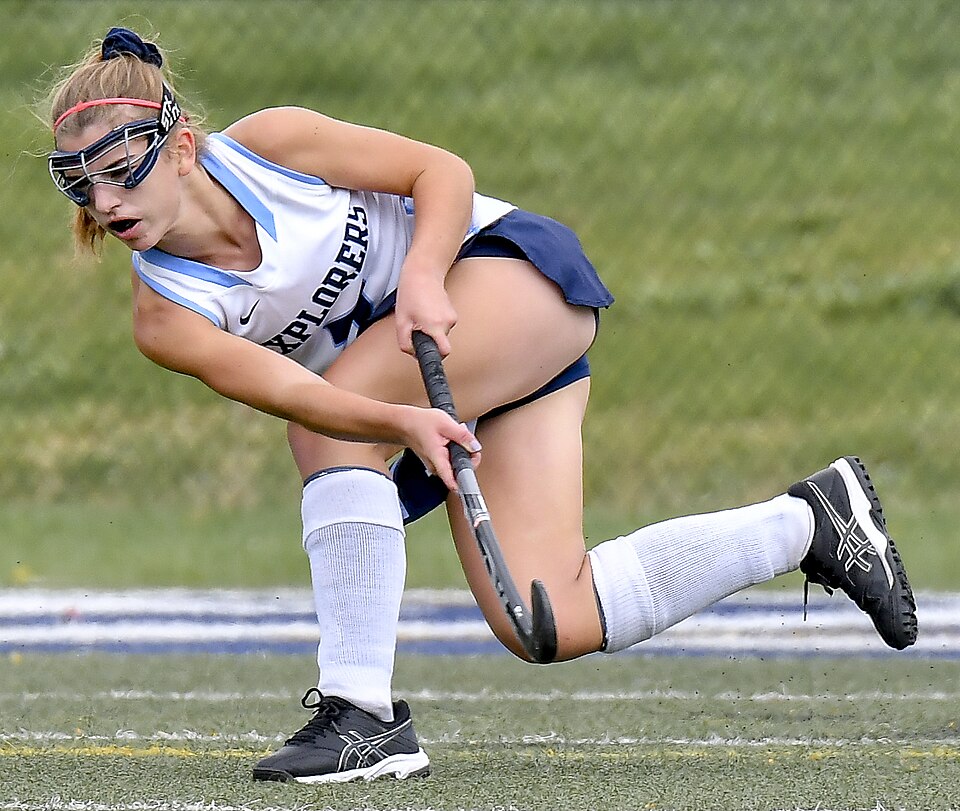
Field hockey players can lose 2-3 liters of sweat per hour during intense play, making proper hydration essential for maintaining performance and preventing heat-related issues — field hockey club.
Pre-Game Hydration: Starting Hydrated for Optimal Performance
Begin your hydration strategy 4 hours before game time. Consume 5-7ml of fluids per kilogram of body weight during this window. For a 70kg player, that’s 350-490ml of fluid.
Pre-game hydration protocol:
- Monitor urine color – pale yellow indicates proper hydration
- Include electrolytes if you’re a heavy sweater
- Avoid alcohol and excessive caffeine 24 hours before games
Electrolyte balance becomes crucial when you’re sweating heavily. Sodium, potassium, and magnesium help maintain fluid balance and prevent cramping. Sports drinks or electrolyte tablets can help maintain this balance.
During-Game Hydration: Replacing Fluids and Electrolytes
During intense field hockey play, aim to drink 16-20oz of fluid every 15-20 minutes. This translates to about 1-1.5 liters per hour of play.
Hydration during play:
- Use sports drinks for matches longer than 60 minutes
- Alternate between water and sports drinks
- Monitor for signs of dehydration: thirst, dry mouth, decreased performance
Sports drinks offer advantages over water during extended play because they provide carbohydrates for energy and electrolytes for fluid balance. However, for shorter practices or games under 60 minutes, water may be sufficient.
Post-Game Rehydration: Calculating and Replacing Fluid Losses
After the game, replace fluids based on weight loss. For every pound lost during play, consume 20-24oz of fluid. Weigh yourself before and after games to determine your personal sweat rate.
Post-game rehydration strategy:
- Continue drinking fluids for 2-3 hours after play
- Include sodium to help retain fluids
- Monitor urine output and color
Recovery drinks, chocolate milk, or a combination of water and sports drinks work well for post-game rehydration. The goal is to return to your pre-game weight within 24 hours.
Daily Nutrition Planning for Field Hockey Athletes
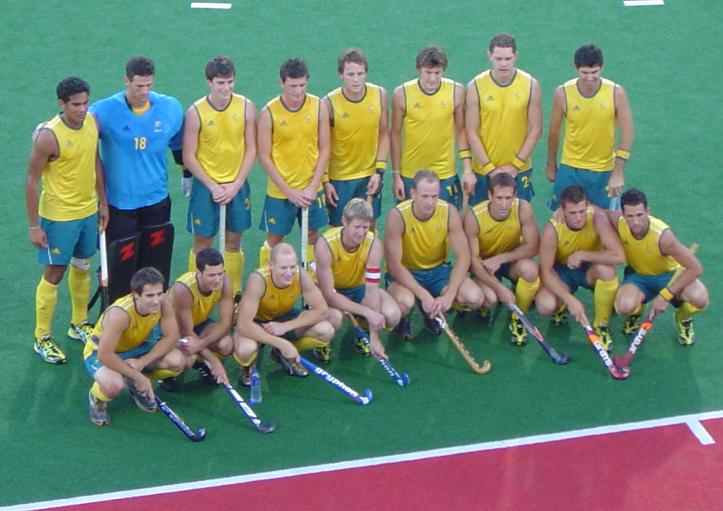
Consistent daily nutrition habits provide the foundation for game-day performance. Your daily diet should support training adaptations, maintain energy levels, and promote overall health.
Macronutrient Balance: Building Your Daily Diet Foundation
Field hockey athletes should aim for a macronutrient distribution of 55-60% carbohydrates, 15-20% protein, and 20-25% fats. This balance supports energy needs, muscle repair, and hormone production.
Daily meal timing and composition:
- Breakfast: High-carb with moderate protein (oatmeal, eggs, fruit)
- Lunch: Balanced meal with lean protein, complex carbs, vegetables
- Dinner: Similar to lunch, with emphasis on recovery if training that day
- Snacks: Strategic timing around training sessions
Whole food sources should form the basis of your diet. Complex carbohydrates like whole grains, fruits, and vegetables provide sustained energy. Lean proteins support muscle repair, while healthy fats from nuts, seeds, and fish support hormone production and reduce inflammation.
Tournament Nutrition: Fueling for Multiple Games
Tournament play presents unique nutritional challenges. With multiple games in a day, your nutrition strategy needs to support both immediate energy needs and recovery between matches.
Tournament nutrition protocol:
- Begin carb loading 2-3 days before the tournament
- Between games: consume 1-1.5g carbs per kg body weight plus 20-30g protein
- Recovery between matches: prioritize 3:1 carb:protein ratio within 30 minutes
For back-to-back games, focus on easily digestible foods that won’t cause stomach discomfort. Energy bars, fruit, and sports drinks work well between matches. Avoid high-fat or high-fiber foods that slow digestion.
Junior Player Nutrition: Age-Specific Considerations
Young field hockey players have unique nutritional needs due to growth and development. Their carbohydrate requirements are often higher per kilogram of body weight compared to adults.
Youth nutrition guidelines:
- Emphasize calcium and vitamin D for bone development
- Avoid energy drinks and excessive caffeine
- Focus on whole foods rather than supplements
- Ensure adequate iron intake for energy and oxygen transport
Growing athletes need more frequent meals and snacks to support both their sport and development. Include a variety of colorful fruits and vegetables to ensure micronutrient needs are met.
The most surprising insight is that proper nutrition can be the difference between winning and losing close games, as glycogen depletion often occurs in the final quarter. Download the USA Field Hockey nutrition PDF guide and create your personalized meal plan this week to see immediate improvements in your performance.
