
Field hockey is a fast-paced sport with a significant risk of injury, primarily affecting the lower limbs, head, and face. Common injuries include contusions, sprains, and concussions, often resulting from contact with the ball or stick. Prevention strategies are multi-faceted, encompassing mandatory protective gear, rule enforcement, comprehensive physical preparation, and proper injury management.
Key Takeaway
-
Lower limbs (knee 14.4%, ankle 10.8%) are most commonly injured in field hockey, followed by head/face (10.2%) and hands
-
Injuries are twice as likely to occur during games compared to practices
-
Dynamic neuromuscular warm-ups reduce ACL, knee, and ankle injuries by 30-50%
-
Mandatory protective gear (shin guards, mouthguards, face masks) prevents most contact injuries
-
Ball-player and stick-player contact account for the majority of field hockey injuries
Common Field Hockey Injuries and Risk Factors
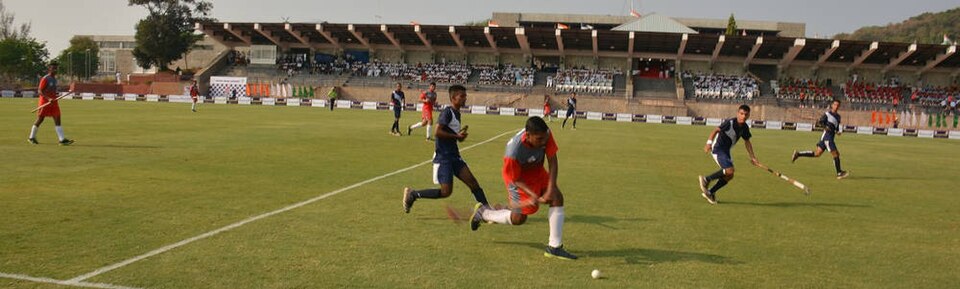
Understanding the types and causes of injuries is the first step toward prevention. Field hockey’s dynamic nature, involving rapid directional changes, high-speed ball movement, and physical contact, creates multiple injury risks that players and coaches must recognize.
Lower Limb Injuries: Knee and Ankle Statistics
|
Injury Type |
Percentage |
Common Causes |
|---|---|---|
|
Knee Injuries |
14.4% |
Sudden stops, directional changes, contact |
|
Ankle Injuries |
10.8% |
Tackling, uneven surfaces, fatigue |
|
Lower Limb Total |
25.2% |
Combined knee and ankle injuries |
Lower limbs are the most frequently injured area in field hockey, accounting for over 25% of all injuries. The knee and ankle are particularly vulnerable due to the sport’s demands for quick directional changes, sudden stops, and repetitive movements. Knee injuries often result from the torque created during rapid directional changes or from direct contact with other players or the ball. Ankle injuries commonly occur during tackling situations or when players land awkwardly after jumping for the ball.
Head, Face, and Hand Injuries: Contact Risks
-
Head and face injuries account for 10.2% of all field hockey injuries, including concussions and facial contusions
-
Ball-player and stick-player contact are primary causes, especially near the goal where traffic is highest
-
Hand injuries occur from direct ball impact or stick contact during defensive plays
-
Injuries are approximately twice as likely to occur in games compared to practices due to increased intensity and contact
Head, face, and hand injuries represent a significant portion of field hockey injuries, with ball-player and stick-player contact being the primary causes. The goal area is particularly dangerous, with multiple players converging on a single point where the ball is moving at high speed. Hand injuries often occur when players attempt to block shots or during defensive maneuvers where sticks clash. The increased intensity and physical contact during games compared to practices creates a higher risk environment, with injury rates approximately double during competitive play. Understanding field hockey rules and regulations can help players avoid dangerous situations and reduce injury risk.
Essential Protective Equipment for Injury Prevention

Proper protective equipment is the foundation of injury prevention in field hockey. Mandatory gear not only protects players from common injuries but also allows them to play with greater confidence and reduced fear of injury.
Shin Guards and Mouthguards: Mandatory Protection
-
Shin guards must be well-fitted and meet ASTM standards to protect against ball and stick impacts
-
Mouthguards are essential for protecting teeth and oral structures from direct impacts
-
Face masks are increasingly used by defensive players during penalty corners to prevent facial trauma
-
Proper equipment fitting is crucial – ill-fitting gear can create additional injury risks
Mandatory protective gear forms the first line of defense against field hockey injuries. Shin guards that meet ASTM standards provide critical protection for the lower legs, where ball and stick impacts are most common. These guards must be properly fitted to ensure full coverage without restricting movement. Mouthguards protect against dental injuries and can reduce the severity of concussions by absorbing impact forces. Face masks have become increasingly common, particularly for defensive players during penalty corners, where the risk of facial injury from high-speed ball impacts is greatest. The quality and fit of protective equipment directly correlates with its effectiveness in preventing injuries. For those looking to join a local team, the field hockey club offers excellent training and equipment guidance.
Proper Footwear and Additional Gear
-
Proper footwear (cleats or turf shoes) is essential for field hockey, providing necessary grip and reducing torque on ankles and knees
-
Resistance bands for shoulder and hip warm-ups help prevent injuries by preparing muscles for activity
-
Ankle stabilization exercises like tibialis raises reduce injury risk by strengthening supporting muscles
-
Equipment should be appropriate for the playing surface – water-based or sand-based turf requires different cleat patterns
Beyond mandatory protective gear, additional equipment plays a crucial role in injury prevention. Proper footwear is essential for field hockey, as the right cleats or turf shoes provide the grip needed for rapid directional changes while reducing the risk of ankle and knee injuries from slipping or excessive torque. Resistance bands are valuable tools for pre-game warm-ups, helping to activate shoulder and hip muscles that are critical for safe play. Ankle stabilization exercises, such as tibialis raises, strengthen the muscles that support the ankle joint, reducing the risk of sprains. The playing surface also influences equipment choices – water-based turf requires different cleat patterns than sand-based surfaces to optimize traction and safety.
Dynamic Warm-up and Training Strategies
Physical preparation is a critical component of injury prevention. A comprehensive warm-up routine prepares the body for the demands of field hockey while reducing the risk of acute and overuse injuries.
10-15 Minute Neuromuscular Warm-up Routine
-
Dynamic warm-ups combining mobility, strength, and agility drills are crucial for reducing ACL, knee, and ankle injuries
-
Exercises include leg swings, arm circles, walking lunges, and Russian hamstrings to prepare muscles and joints
-
High-intensity running and shuttle runs prepare players for game demands and improve neuromuscular coordination
-
Quick-stick drills enhance hand-eye coordination while warming up upper body muscles
A 10-15 minute neuromuscular warm-up routine is essential for preparing the body for field hockey’s physical demands. Dynamic warm-ups that combine mobility, strength, and agility drills have been shown to reduce ACL, knee, and ankle injuries by 30-50%. The routine should begin with mobility exercises like leg swings and arm circles to increase blood flow and joint range of motion. Walking lunges and Russian hamstrings activate the major muscle groups used in field hockey while improving flexibility. High-intensity running and shuttle runs prepare the cardiovascular system and improve neuromuscular coordination for rapid directional changes. Quick-stick drills not only warm up the upper body but also enhance the hand-eye coordination essential for safe ball handling during play.
Training Techniques and Body Positioning
-
Educating players on proper body positioning and tackling techniques prevents injuries during contact situations
-
Focus on hip, knee, and ankle stability during training to build a strong foundation for safe movement
-
Quality over quantity in exercises ensures proper form and injury prevention
-
Regular strength training targeting key areas reduces the risk of both acute and overuse injuries
Proper training techniques and body positioning are fundamental to injury prevention in field hockey. Coaches must educate players on correct tackling techniques and body positioning to minimize injury risk during contact situations. This includes teaching players how to absorb impact forces safely and maintain balance during physical challenges. Training should emphasize hip, knee, and ankle stability, as these joints bear the brunt of field hockey’s physical demands. Quality of movement is more important than quantity – performing exercises with proper form prevents the development of bad habits that can lead to injuries. Regular strength training targeting these key areas builds the muscular foundation needed to withstand the sport’s physical demands and reduces the risk of both acute injuries and overuse conditions. For beginners, mastering Essential Field Hockey Training Drills can significantly improve technique and safety.
The most surprising finding in field hockey injury prevention is that dynamic neuromuscular warm-ups can reduce lower limb injuries by up to 50%. This simple 10-15 minute routine, when performed consistently, provides more injury prevention benefit than many expensive equipment upgrades or specialized training programs. The key action step for every field hockey player is to implement a structured warm-up routine before every practice and game – this single habit can dramatically reduce your injury risk and extend your playing career.
