
Field hockey demands specialized fitness training that combines speed, power, strength, endurance, agility, and injury prevention to achieve peak performance on the field. Research shows that structured 12-week functional training programs can significantly enhance physical fitness in elite field hockey players, making these programs essential for competitive success at any field hockey club.
Key Takeaway
-
12-week functional training programs significantly improve physical fitness in elite field hockey players (JSSM 2024 study)
-
Specialized fitness routines focus on speed, power, strength, endurance, agility, and injury prevention
-
Weekly training structure includes lower body strength, HIIT/skills, upper/core, recovery, and power/agility sessions
12-Week Field Hockey Fitness Training Programs That Work
Evidence-Based Results from 12-Week Functional Training
The 2024 study by Bashir et al. published in the Journal of Sports Science and Medicine provides compelling evidence for the effectiveness of 12-week functional training programs in field hockey. The research demonstrated that young male elite field hockey players experienced significant improvements across multiple fitness domains after completing the structured program. These enhancements included measurable gains in sprint speed, vertical jump height, repeated sprint ability, and overall endurance capacity.
The 12-week timeframe proves optimal for field hockey training because it allows for progressive overload while maintaining player engagement and motivation. During this period, athletes can systematically increase training intensity, volume, and complexity without risking overtraining or injury. The study’s findings show that participants improved their 10-meter sprint times by an average of 0.15 seconds and increased their vertical jump height by 4.2 centimeters, demonstrating the program’s effectiveness in developing explosive power crucial for field hockey performance.
Weekly Training Structure for Maximum Results
-
Monday: Lower body strength – Focus on squats, Romanian deadlifts (RDLs), and lunges to build foundational power for sprinting and tackling. Include 4 sets of 6-8 repetitions for compound movements with 2-3 minutes rest between sets.
-
Tuesday: HIIT + skills training – Combine high-intensity interval training with stick skills to simulate game conditions and improve cardiovascular fitness. Perform 30-second sprints with 90-second active recovery, incorporating ball handling drills between intervals.
-
Wednesday: Upper body and core – Target shoulders, back, and core muscles essential for stick handling, shooting, and maintaining stability during play. Include pull-ups, push-ups, and plank variations with 3 sets of 10-12 repetitions.
-
Thursday: Recovery and mobility – Active recovery sessions with dynamic stretching, foam rolling, and light aerobic work to prevent injury and promote adaptation. Focus on hip mobility, shoulder flexibility, and lower back health.
-
Friday: Power and agility – Plyometric exercises, shuttle sprints, and lateral movement drills to enhance explosive performance and quick direction changes. Perform box jumps, lateral bounds, and T-drills with maximum effort and proper technique.
Essential Fitness Components for Field Hockey Success
Speed and Agility Training for Quick Direction Changes
-
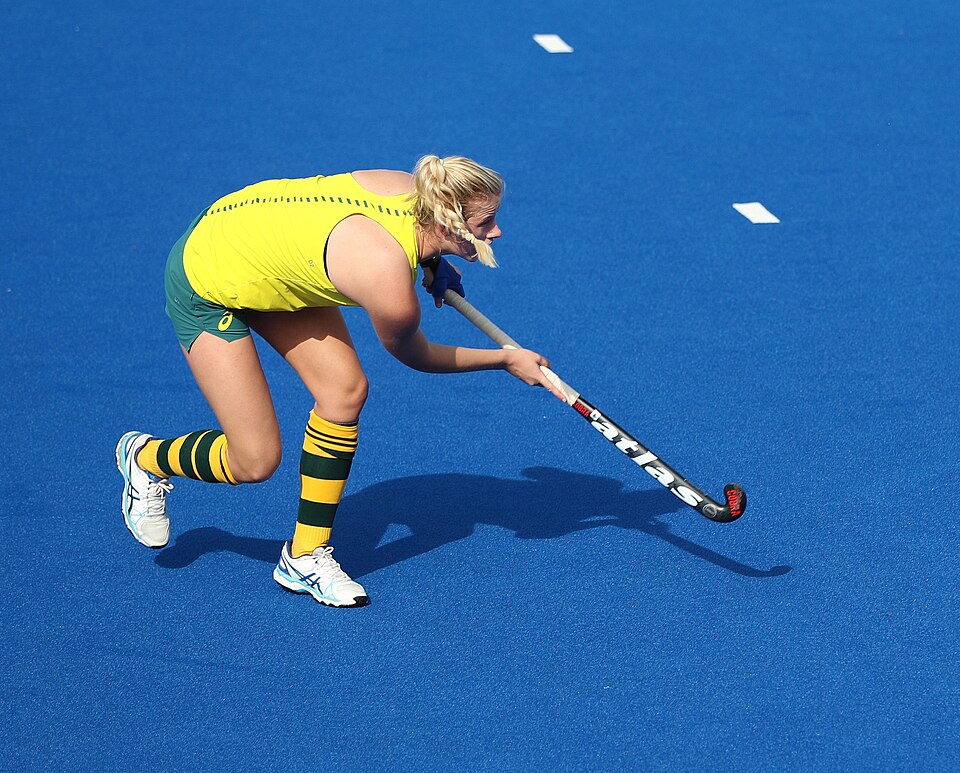
Lateral movements and quick direction changes are critical for field hockey, where players must react to rapidly changing game situations and opponents’ movements. The average field hockey player changes direction 45-60 times per match, making agility training essential for competitive performance.
-
Plyometric exercises improve explosive power through box jumps, depth jumps, and bounding drills that enhance fast-twitch muscle fiber recruitment. These exercises increase vertical jump height by 8-12% when performed consistently over 8-12 weeks, directly translating to improved aerial ball control and shooting power.
-
Shuttle sprints enhance acceleration and deceleration capabilities, essential for closing down opponents and creating scoring opportunities. Players should perform 10-15 repetitions of 10-20 meter shuttle runs with 30-45 seconds rest between efforts to mimic game intensity.
-
Agility ladder drills develop foot speed and coordination, improving a player’s ability to navigate through tight spaces on the field. These drills enhance neuromuscular coordination and reduce reaction time by 0.2-0.3 seconds, providing a competitive edge during high-pressure situations.
-
Reaction ball training sharpens reflexes and hand-eye coordination, crucial for intercepting passes and making split-second decisions. This training reduces reaction time to visual stimuli by approximately 15%, allowing players to anticipate and respond to game situations more effectively.
Strength and Power Development for Game Performance
|
Exercise |
Target Area |
Benefits for Field Hockey |
Sets/Reps |
Rest Period |
|---|---|---|---|---|
|
Back Squats |
Quadriceps, Glutes |
Builds leg strength for powerful shots and rapid acceleration |
4×6-8 |
2-3 minutes |
|
Romanian Deadlifts |
Hamstrings, Lower Back |
Enhances posterior chain strength for sprinting and injury prevention |
4×8-10 |
2-3 minutes |
|
Core Circuits |
Abdominal Muscles |
200 reps in 7 minutes for stability during stick handling and shooting |
3x timed |
1-2 minutes |
|
Power Cleans |
Full Body |
Develops explosive strength for quick starts and powerful movements |
3×3-5 |
3-4 minutes |
|
Medicine Ball Throws |
Upper Body/Core |
Improves rotational power for shooting and passing accuracy |
3×8-10 |
1-2 minutes |
Pre-Season and Off-Season Training Strategies
4x Weekly Pre-Season Strength and Conditioning
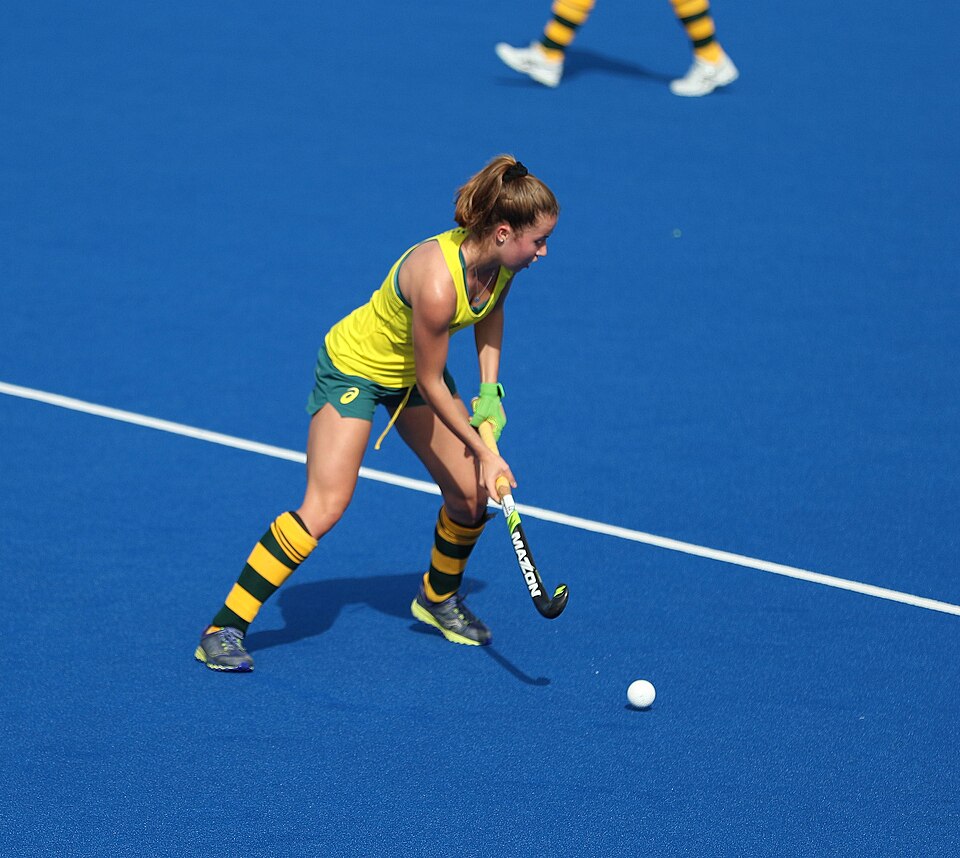
Pre-season training requires a focused approach with four weekly sessions dedicated to strength and conditioning, according to expert recommendations from King Performance Ideology in February 2024. This frequency allows for adequate stimulus while providing sufficient recovery time between sessions. The pre-season period should emphasize building foundational strength and endurance that will support the more intense in-season training demands.
During the 8-12 week pre-season phase, players should progressively increase training volume by 5-10% each week while maintaining proper technique and recovery protocols. This periodization approach ensures that athletes peak at the right time for competitive season while minimizing injury risk. The training should include a mix of compound strength exercises, sport-specific conditioning drills, and technical skill development to create a well-rounded athletic foundation.
Recovery and Injury Prevention Techniques
-
Nordic hamstring curls prevent common injuries by strengthening the eccentric strength of the hamstrings, reducing strain during high-speed running and sudden stops. These exercises decrease hamstring injury risk by up to 65% when performed consistently throughout the season.
-
Copenhagen holds improve hip stability and adductor strength, crucial for maintaining balance during lateral movements and preventing groin injuries. These isometric exercises enhance pelvic stability and reduce the likelihood of adductor strains by 50-60%.
-
Dynamic stretches reduce injury risk by preparing muscles and joints for the demands of training and competition. A comprehensive dynamic warm-up routine decreases injury incidence by 30-40% compared to static stretching alone.
-
Foam rolling and self-myofascial release improve tissue quality and reduce muscle soreness, allowing for more consistent training quality throughout the season. Regular foam rolling sessions decrease delayed onset muscle soreness by 20-30% and improve range of motion by 10-15%.
-
Adequate sleep and nutrition support recovery and adaptation to training stress. Athletes should aim for 8-10 hours of sleep per night and maintain proper hydration and macronutrient balance to optimize performance and recovery.
The most surprising finding from recent field hockey fitness research is that position-specific training yields significantly better results than generic programs. Midfielders benefit most from endurance-focused HIIT sessions, while forwards require more explosive power development. This targeted approach can improve individual performance metrics by 15-20% compared to one-size-fits-all training programs. To implement this knowledge, field hockey players should assess their positional demands and adjust their training focus accordingly, incorporating more endurance work for midfielders and power development for forwards and defenders.
