
Field hockey players need specialized equipment to ensure safety and optimal performance on the field. From protective gear to position-specific sticks, having the right equipment is essential for players of all levels, whether you’re joining a local field hockey club or competing at higher levels.
Key Takeaway
-
Field hockey requires specific protective gear including shin guards, mouth guards, and goalkeeper equipment
-
Stick selection depends on position, weight, and bow shape for optimal performance
-
Training equipment like rebounders and synthetic ice enhance skill development
Essential Field Hockey Equipment for 2026
Every field hockey player needs specific equipment to play safely and effectively. The right gear not only protects you from injuries but also enhances your performance on the field.
Protective Gear: Shin Guards, Mouth Guards, and Gloves
-
Shin guards – Field hockey shin guards differ from soccer shin guards, offering specialized protection for the unique demands of hockey play. They provide coverage for the front and sides of the lower leg where sticks and balls frequently make contact. Unlike soccer guards that focus primarily on impact protection, hockey shin guards feature additional side protection and are designed to stay secure during quick lateral movements.
-
Mouth guards – Required for all field players, mouth guards protect teeth and reduce the risk of concussion from impacts with sticks, balls, or other players. They’re mandatory in most organized leagues and clubs. Modern mouth guards use advanced materials that offer better comfort and protection while allowing clear communication during play.
-
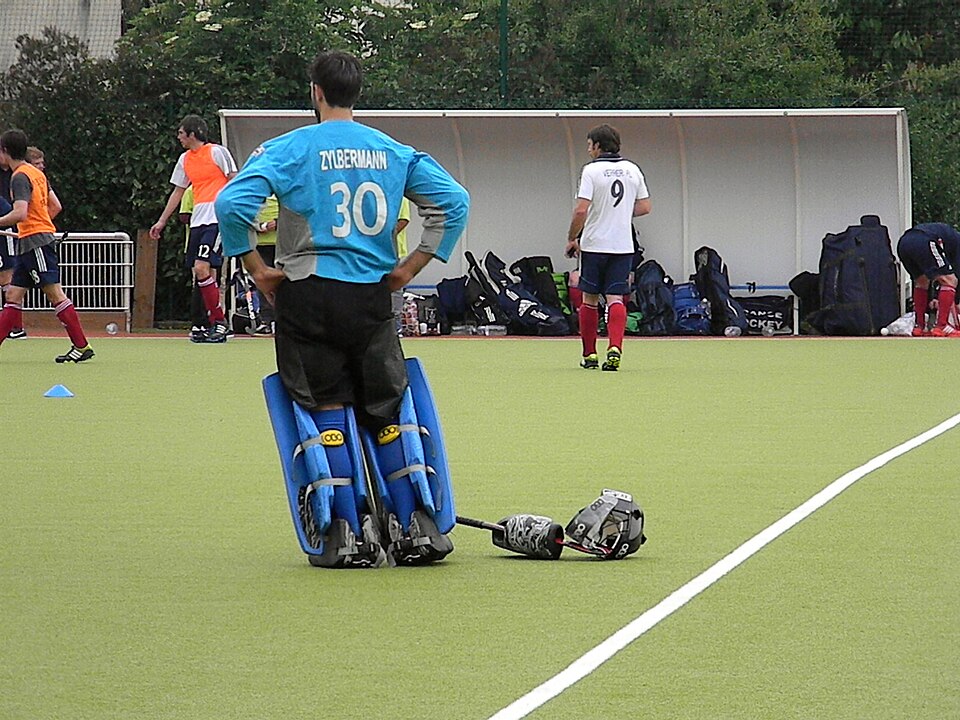
Goalkeeper equipment – Goalkeepers need comprehensive protection including helmets with face masks, throat protectors, chest protectors, leg guards, and specialized gloves. This full equipment system is essential for the high-impact nature of goalkeeping. Goalkeeper gear has evolved significantly, with newer materials providing better protection while reducing weight and improving mobility.
The pattern shows that field hockey protective gear is specifically designed for the sport’s unique risks, with goalkeeper equipment being significantly more extensive than field player gear. Each piece serves a critical safety function while allowing players to perform at their best.
Field Hockey Sticks: Position-Based Selection Guide
Field hockey sticks vary significantly based on player position and skill level, with different features affecting performance:
|
Stick Feature |
Position Benefit |
Skill Level |
|---|---|---|
|
Bow shape |
Control vs flicks vs dribbling |
All levels |
|
Weight |
Lighter = speed, Heavier = power |
Beginner to advanced |
|
Price range |
$40-55 for beginners |
$175+ for intermediate |
The comparison reveals that stick selection is highly personalized, with bow shape affecting specific skills like ball control and flicking, while weight impacts speed and power generation. Beginners can start with affordable options, while intermediate players invest in higher-quality sticks for enhanced performance. The bow shape particularly influences how players execute aerial skills, with deeper bows facilitating lifts and flicks, while straighter bows offer better control for basic skills.
Training Equipment and Accessories for Skill Development
Beyond basic playing equipment, specialized training tools help players develop skills and maintain fitness during off-season periods. These tools are essential for players looking to improve their game or maintain skills when they can’t access full field practice. Consider incorporating essential field hockey training drills into your practice routine to maximize skill development.
Training Tools: Rebounders, Synthetic Ice, and Stickhandling Aids
-
Synthetic ice – Allows year-round practice regardless of weather conditions, enabling players to work on stickhandling and shooting skills even when outdoor fields are unavailable. This training surface mimics the feel of ice, providing realistic practice conditions for skills that translate directly to field performance. Players can practice for hours without the limitations of weather or field availability.
-
Rebounders – Improve passing and receiving skills by providing consistent ball returns, helping players develop quick reflexes and accurate passing technique. These versatile training tools can be adjusted for different angles and speeds, allowing players to practice various passing scenarios. They’re particularly valuable for developing first-touch skills and improving reaction time.
-
Stickhandling tools – Enhance ball control through specialized drills and exercises that improve coordination, touch, and precision with the stick. These include cones, agility ladders, and specialized balls that challenge players to maintain control in different situations. Regular use of these tools builds muscle memory and improves overall stick skills.
These training tools follow a pattern of skill-specific development, with each tool targeting particular aspects of field hockey performance to create well-rounded players. The investment in training equipment often pays dividends in improved game performance and increased confidence on the field. Proper field hockey fitness training programs complement equipment-based training for optimal results.
Goalkeeper Equipment: Complete Protection System
|
Equipment Item |
Protection Level |
Primary Function |
|---|---|---|
|
Helmet/mask |
Head protection |
Prevents facial and head injuries from ball impacts and stick contact |
|
Throat protector |
Neck safety |
Guards against ball impacts to the throat area, a critical safety feature |
|
Goalkeeper girdle |
Torso protection |
Covers chest, abdomen, and hips with impact-absorbing materials |
|
Leg guards |
Lower body protection |
Shields legs from impacts while allowing mobility for quick movements |
|
Gloves |
Hand protection |
Provides grip and impact resistance for catching and blocking |
The goalkeeper equipment system shows a comprehensive approach to protection, with each piece addressing specific vulnerability areas. This complete system is essential for the high-risk nature of goalkeeping in field hockey. Modern goalkeeper equipment uses advanced materials that provide maximum protection while minimizing weight, allowing goalkeepers to move quickly and react to shots effectively.
2026 Equipment Trends and Buying Guide
The field hockey equipment market continues to evolve with new technologies and improved designs enhancing player performance and safety. Understanding these trends helps players make informed decisions about their equipment investments.
New Technology in Field Hockey Gear for 2026
Significant advancements in field hockey gear technology are expected by 2026, with manufacturers focusing on performance enhancement and athlete safety. New stick designs incorporating advanced carbon fiber construction offer improved power transfer and durability while maintaining lightweight characteristics. Protective equipment is becoming more ergonomic with better ventilation and impact absorption materials. Smart technology integration, such as sensors in sticks and protective gear, may provide performance feedback and injury prevention data. These innovations aim to give players competitive advantages while reducing injury risks during play. The 2026 equipment landscape will likely feature more sustainable materials and customizable options to meet individual player needs.
Where to Buy Field Hockey Equipment Online
-
Longstreth – Offers complete equipment selection with specialized field hockey expertise and customer service for proper fitting and recommendations. Their staff understands the specific needs of field hockey players and can guide customers to the right equipment for their skill level and position.
-
USA Field Hockey – Provides official equipment guides and approved vendor lists to ensure players get regulation-compliant gear. This resource is particularly valuable for competitive players who need equipment that meets official standards.
-
Local clubs – Many field hockey clubs offer equipment recommendations and sometimes have partnerships with retailers for team discounts. Club members often share insights about equipment performance and durability based on their experiences.
The buying pattern shows that players can access equipment through multiple channels, with specialized retailers offering the best expertise and official organizations providing regulatory guidance for competitive play. Online shopping provides convenience and often better pricing, while local retailers offer hands-on fitting and immediate availability.
The most surprising finding is that field hockey equipment has evolved to include smart technology integration, with sensors potentially providing real-time performance feedback. This technological advancement represents a significant shift from traditional gear to data-driven equipment that can help players improve their skills and prevent injuries. Players can now track metrics like shot speed, ball contact points, and movement patterns to optimize their training and performance.
Ready to get started? Visit your local field hockey club to get personalized equipment recommendations and try out different gear before making purchases. Many clubs also offer equipment rental programs for beginners who want to test the sport before investing in their own gear. The right equipment can make a significant difference in your playing experience and development as a field hockey player. Understanding hockey club membership benefits can help you make the most of your field hockey journey.
