
Youth field hockey development in 2024 is experiencing significant investment, with USA Field Hockey partnering with Leap Hockey to elevate training programs and Hockey WA launching new performance pathways. This surge in development initiatives reflects the growing recognition that structured youth programs are essential for building the next generation of field hockey talent.
Youth Field Hockey Development: Key Strategies for 2024
- Structured development pathways are essential for player progression from youth to elite levels
- Modern training emphasizes technical skills, tactical awareness, and mental preparation equally
- Successful programs combine quality coaching with age-appropriate competition structures
Youth Field Hockey Development Programs and Pathways
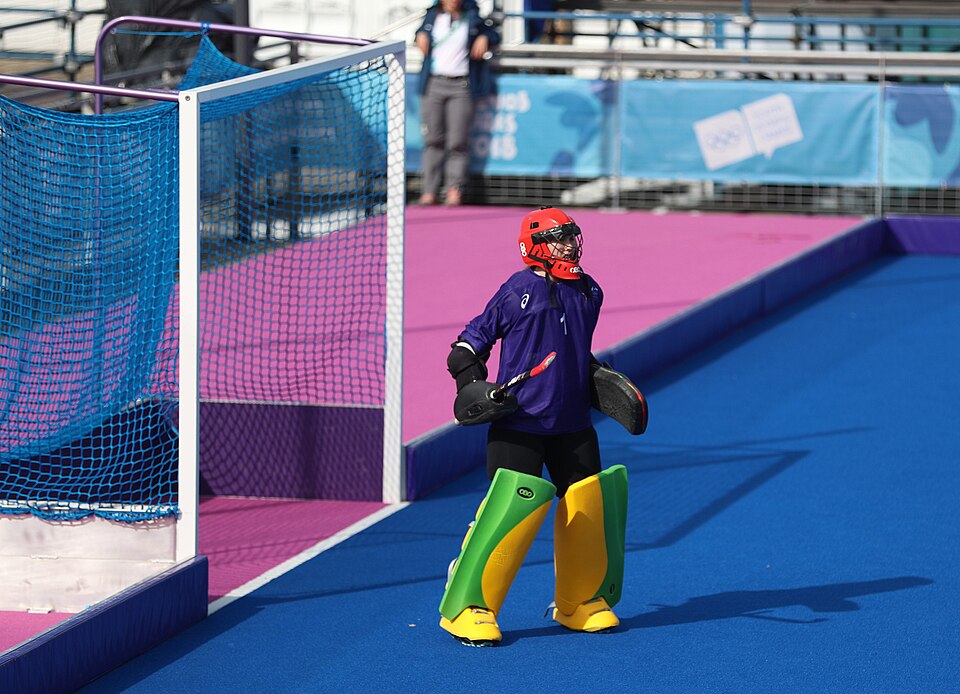
USA Field Hockey and Leap Hockey Partnership: Elevating Youth Development
In April 2024, USA Field Hockey announced a collaboration with Leap Hockey aimed at elevating youth development in the sport. This partnership represents a significant investment in the future of field hockey, focusing on improving coaching standards and creating clearer player pathways. The initiative addresses a critical need in American field hockey, where structured development programs have been inconsistent across regions. By combining USA Field Hockey’s national reach with Leap Hockey’s specialized youth development expertise, the partnership aims to standardize training methodologies and provide coaches with better resources for developing young players.
The collaboration specifically targets three key areas: coach education, player development frameworks, and competition structure. Coach education programs will provide certified training for youth coaches, ensuring they understand age-appropriate training methods and player development principles. The player development frameworks will create standardized progression pathways that guide young athletes from beginner to elite levels. Competition structure improvements will focus on creating age-appropriate tournaments that balance skill development with competitive experience.
Hockey WA’s Performance and Pathways Strategy for 2024
Hockey Western Australia has outlined its Performance and Pathways Strategy for 2024, focusing on enhancing club and association development programs. The strategy includes several key components:
- Club Development Programs: Providing resources and support to local clubs for youth coaching and administration
- Association Support: Creating regional hubs for talent identification and player development
- Performance Pathways: Establishing clear progression routes from grassroots to elite levels
- Coach Education: Implementing comprehensive training programs for youth coaches
- Competition Structure: Designing age-appropriate tournaments that balance development with competition
The Hockey WA strategy emphasizes a holistic approach to youth development, recognizing that successful programs require coordinated efforts across multiple areas. The club development programs provide local organizations with the tools and resources needed to create effective youth initiatives. Association support ensures that talented players from all regions have access to development opportunities. Performance pathways create clear goals for young athletes, helping them understand what they need to achieve at each stage of their development — field hockey club.
Long-Term Athlete Development Models in Field Hockey
Field hockey youth development increasingly relies on established frameworks like LTAD (Long-Term Athlete Development), ADM (American Development Model), and LTHD (Long-Term Hockey Development). These models ensure age-appropriate progression by:
- Matching training intensity to physical and cognitive development stages
- Emphasizing fundamental movement skills before sport-specific techniques
- Creating appropriate competition structures for different age groups
- Focusing on physical literacy and multi-sport participation in early years
- Gradually increasing specialization as players mature
The LTAD framework, developed by Canadian sport scientists, has become particularly influential in field hockey development. It recognizes that young athletes progress through distinct developmental stages, each requiring different training approaches. The FUNdamental stage (ages 6-9) focuses on basic movement skills and fun activities that build physical literacy. The Learning to Train stage (ages 9-12) introduces sport-specific skills while maintaining a multi-sport approach. The Training to Train stage (ages 12-16) increases the focus on hockey-specific training while continuing to develop overall athleticism.
Training Methodologies and Skill Development for Young Players
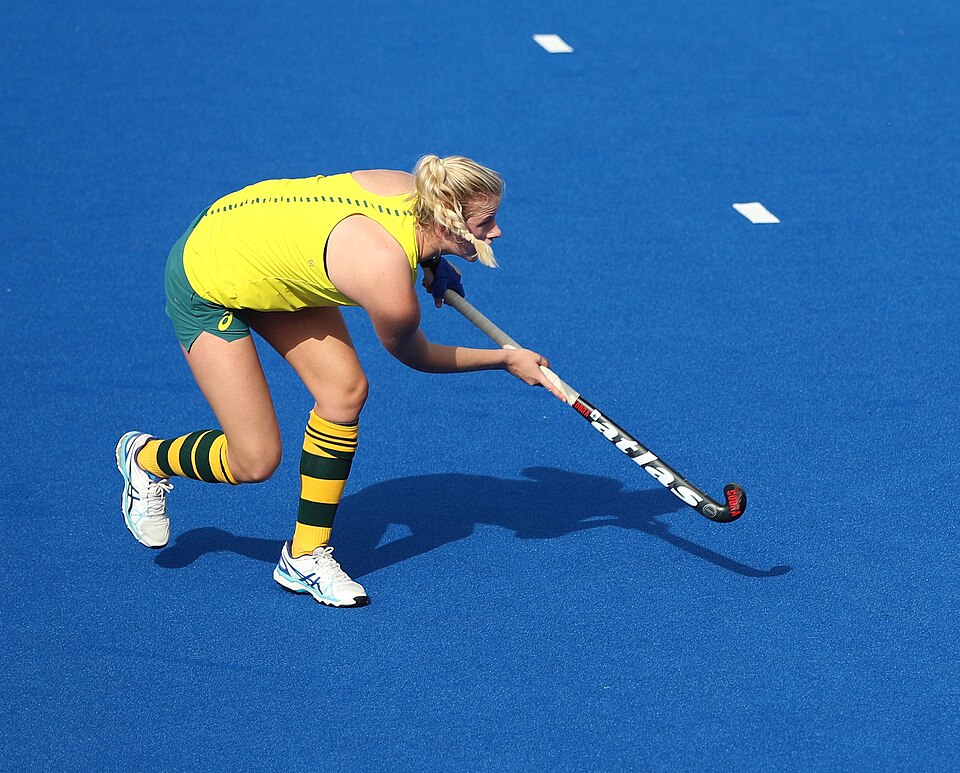
Core Skill Development: Stickwork, Tactics, and Strategy
Effective youth field hockey training programs focus on several core skill areas:
- Stick Handling: Developing ball control, dribbling techniques, and comfortable stick grip
- Passing and Receiving: Teaching accurate passing, receiving under pressure, and spatial awareness
- Shooting: Building proper shooting technique, power generation, and accuracy
- Tactical Positioning: Understanding offensive and defensive positioning, spacing, and movement patterns
- Game Strategy: Developing hockey IQ through small-sided games and situational drills
Programs like “Youth Skills” focus on these fundamental areas while incorporating age-appropriate learning methods. For younger players (U8-U10), training emphasizes fun games that develop basic skills without overwhelming technical instruction. As players progress to U11-U13, training becomes more structured, introducing tactical concepts and position-specific skills. Advanced players (U14-U18) work on complex game situations, video analysis, and mental preparation for high-level competition.
Physical Conditioning and Mental Preparation for Youth Athletes
Modern youth field hockey development balances physical training with mental preparation:
Physical Training Needs:
- Agility and footwork drills for quick direction changes
- Endurance building through age-appropriate conditioning
- Strength development using body weight exercises
- Speed training with proper technique focus
Mental Preparation:
- Focus and concentration exercises
- Confidence building through progressive challenges
- Game awareness development through video analysis
- Decision-making skills in pressure situations
The physical conditioning component recognizes that young athletes have different needs than adults. Youth training emphasizes proper movement patterns, injury prevention, and gradual strength development rather than heavy weight training. Agility drills focus on coordination and balance, while endurance training uses game-like activities rather than long, monotonous runs. Speed development emphasizes technique over maximum velocity, teaching young players how to move efficiently on the field.
Age-Appropriate Training Drills and Practice Structures
The following table outlines recommended training focus by age group:
| Age Group | Skill Emphasis | Practice Duration | Competition Level |
|---|---|---|---|
| U6-U8 | Fundamental movement, basic stick skills | 30-45 minutes | Non-competitive games |
| U9-U12 | Technical skills, basic tactics | 60-75 minutes | Small-sided games |
| U13-U15 | Advanced skills, team tactics | 75-90 minutes | Modified full-field |
| U16-U18 | Elite skills, advanced tactics | 90-120 minutes | Full competition |
This structured approach ensures that young players develop at an appropriate pace, with training intensity and complexity increasing as they mature. The U6-U8 stage focuses on fun and basic movement skills, using games and activities that develop coordination without technical pressure. U9-U12 players begin learning specific field hockey skills while maintaining an emphasis on enjoyment and participation. U13-U15 athletes work on more advanced techniques and tactical understanding, preparing for competitive play. U16-U18 players engage in elite-level training, focusing on performance optimization and competitive success.
Successful Youth Programs and Case Studies
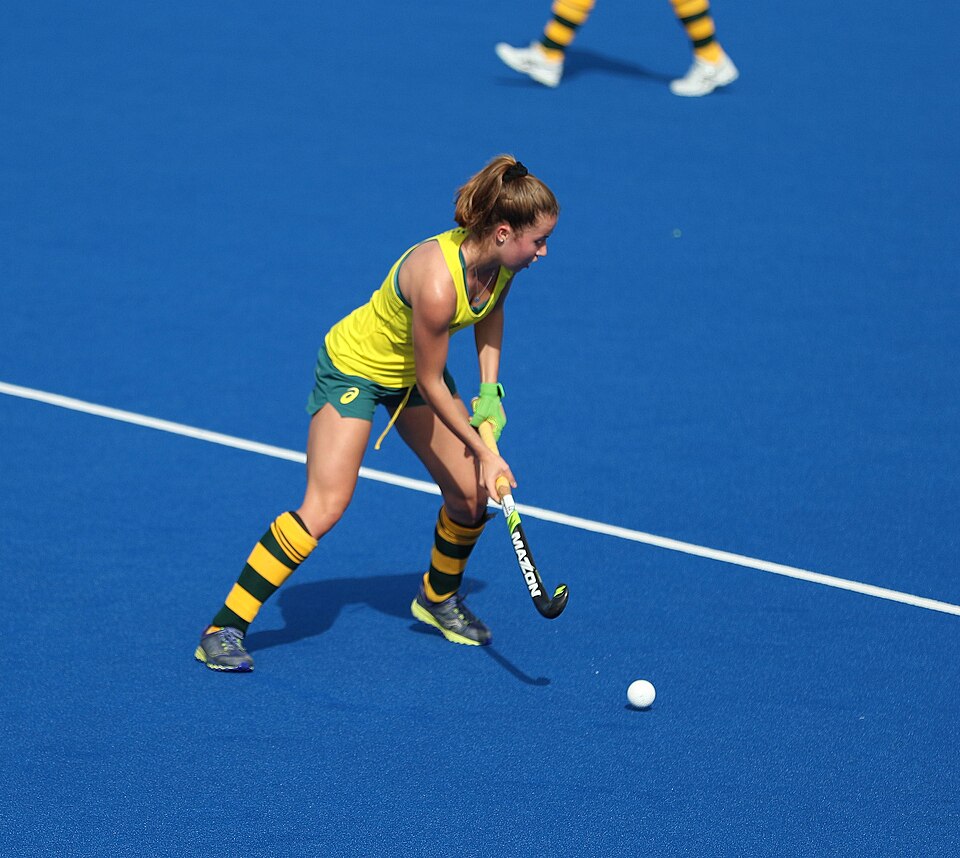
Marden Russets Hockey Club: Building a Premier Junior Program
Marden Russets Hockey Club, founded in 1921, launched an ambitious junior program in the 1980s under Jeremy Barham, a former England & GB international. This pioneering work has paid dividends over many seasons since. The club moved to new facilities outside Marden in 2017, delivering state-of-the-art facilities that are the envy of hockey clubs far and wide. As of recent analysis, the junior section boasts 28 teams ranging from Under 6s to Under 18s, making it one of the largest youth hockey schemes in Kent. The program’s success demonstrates how long-term commitment to youth development creates sustainable success through quality coaching, proper facilities, and consistent investment.
The Marden Russets model emphasizes several key principles that have contributed to its success. First, the program maintains a strong focus on player development rather than immediate results, ensuring that young athletes build solid foundations before advancing to competitive play. Second, the club invests heavily in coach education, providing ongoing training and support for all youth coaches. Third, the facilities support year-round development, with indoor and outdoor spaces that accommodate different weather conditions and training needs. Fourth, the program creates clear pathways for advancement, with players understanding how they can progress from youth teams to senior levels.
Key Success Factors in Youth Field Hockey Development
Successful youth field hockey programs share several common elements:
- Quality Coaching: Trained coaches who understand youth development principles
- Facility Access: Safe, appropriate spaces for training and competition
- Competition Structure: Age-appropriate tournaments that balance development with competition
- Community Support: Strong relationships with schools, parents, and local organizations
- Clear Pathways: Defined routes for progression from youth to senior levels
- Player Enjoyment: Emphasis on fun and engagement to maintain participation
These success factors work together to create sustainable youth programs. Quality coaching ensures that young players receive proper instruction and support. Facility access provides the necessary spaces for training and competition. Competition structure creates appropriate challenges for different age groups. Community support builds the network needed to sustain long-term programs. Clear pathways give players goals to work toward. Player enjoyment maintains participation and creates lifelong hockey enthusiasts.
Measuring Success in Youth Development Programs
Effective youth development programs use multiple metrics to evaluate success:
- Player Retention: Percentage of players continuing year over year
- Skill Progression: Measurable improvement in technical and tactical abilities
- Competitive Results: Performance in appropriate age-group competitions
- Pathway Progression: Number of players advancing to higher levels
- Coach Development: Quality and retention of coaching staff
- Community Impact: Growth in participation and program reputation
Successful programs track these metrics over time to identify areas for improvement and demonstrate their value to stakeholders. Player retention rates indicate program satisfaction and effectiveness. Skill progression measurements show whether training methods are working. Competitive results provide objective performance data. Pathway progression demonstrates the program’s ability to develop talent. Coach development ensures program sustainability. Community impact measures the program’s broader contribution to the sport.
The most successful youth field hockey programs prioritize player development and enjoyment over immediate competitive results. This long-term approach builds sustainable success by creating players who love the game and have the skills to excel at higher levels. To get involved in youth field hockey development, contact your local field hockey association to learn about their youth development pathway and how to get involved as a coach or volunteer.
