
Field hockey first appeared in the London 1908 Olympic Games with a men’s competition, marking the beginning of a rich Olympic tradition that continues through the 2026 Games. This comprehensive timeline explores how the sport evolved from its debut with six teams to becoming a permanent fixture featuring both men’s and women’s competitions.
Key Takeaway
-
Field hockey debuted at the 1908 London Olympics with England winning gold
-
India dominated with six consecutive gold medals from 1928-1956
-
Women’s field hockey was added to the Olympics in 1980 at Moscow Games
-
The sport has been a permanent fixture since 1928 after FIH formation
-
Modern Olympic hockey features four 15-minute quarters with 11 players per side
When and How Field Hockey Debuted at the Olympics
1908 London Olympics: The First Field Hockey Tournament
Field hockey made its Olympic debut at the 1908 London Games in a men’s-only competition that featured six teams from England, Ireland, Scotland, Wales, Germany, and France. The tournament format was straightforward, with each nation playing against the others in a round-robin style. England emerged victorious, claiming the gold medal, while Ireland took silver. Scotland and Wales shared the bronze medal after finishing with identical records. This inaugural tournament established field hockey as an Olympic sport, though its future in the Games would face several interruptions in the following decades. The 1908 tournament was significant not only for introducing field hockey to the Olympic program but also for showcasing the sport’s potential as a team competition that could unite nations through athletic competition. The matches were played on grass fields, and the equipment was rudimentary compared to modern standards, with wooden sticks and leather balls being the norm. The tournament also highlighted the strong hockey traditions in the United Kingdom, where the sport had already gained significant popularity in schools and clubs.
Early Olympic Hockey: Growth and Interruptions
-
1912 and 1924: Field hockey was omitted from these Olympic Games, creating gaps in the sport’s Olympic history and reflecting the challenges of establishing new sports in the Olympic program
-
1920 Antwerp: Hockey returned with Great Britain winning gold, demonstrating the sport’s growing popularity and the resilience of the hockey community in maintaining Olympic presence
-
1928 Amsterdam: The International Hockey Federation (FIH) was formed in 1924, ensuring hockey became a permanent fixture starting from these Games, which marked a turning point for the sport’s Olympic future
India’s Golden Era and Women’s Olympic Inclusion
India’s Six Consecutive Gold Medals: 1928-1956 Dominance
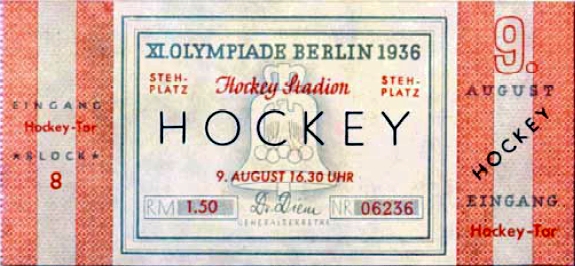
India’s field hockey team achieved one of the most remarkable runs in Olympic team sports history, winning six consecutive gold medals from the 1928 Amsterdam Games through the 1956 Melbourne Games. This dominance began when India won its first Olympic gold in 1928, defeating the Netherlands 3-0 in the final. The Indian team continued its winning streak through the 1932 Los Angeles Games, 1936 Berlin Games, 1948 London Games (as an independent nation), 1952 Helsinki Games, and 1956 Melbourne Games. This 28-year period of Indian supremacy established the nation as the preeminent force in Olympic field hockey and created a legacy that still resonates in the sport today. The Indian teams of this era were known for their exceptional stick skills, tactical discipline, and ability to perform under pressure. Players like Dhyan Chand became legendary figures, with his goal-scoring ability and dribbling skills earning him the nickname “The Wizard of Hockey.” The dominance of Indian hockey during this period also reflected the country’s growing presence on the international stage following independence. India’s success inspired generations of hockey players across Asia and helped establish field hockey as a major sport in countries like Pakistan, Malaysia, and South Korea.
Women’s Field Hockey Joins the Olympics in 1980
-
1980 Moscow Games: Women’s field hockey was added to the Olympic program, expanding the sport’s reach and opportunities for female athletes worldwide
-
Netherlands dominance: The Dutch women’s team has been historically dominant, winning multiple gold medals since women’s hockey joined the Olympics, including victories in 1984, 1996, 2008, 2012, and 2020
-
Modern format: Today’s Olympic hockey features four 15-minute quarters with 11 players per side, creating a fast-paced and dynamic game that emphasizes both physical fitness and technical skill
Modern Olympic Hockey: Rules and Recent Champions
How Olympic Hockey Works Today: Rules and Format
Modern Olympic field hockey has evolved significantly from its early days, now featuring a structured format with four 15-minute quarters that create a dynamic 60-minute game. Each team fields 11 players, including a goalkeeper, and the game is played on artificial turf surfaces that allow for faster ball movement and more technical play. The 2024 Paris Olympics showcased this modern format at the Stade Yves-du-Manoir, where top teams competed under current international rules. These rules include penalty corners, penalty strokes, and specific regulations about ball height and dangerous play, making the game both strategic and physically demanding. The evolution from the simple round-robin format of 1908 to today’s sophisticated tournament structure reflects the sport’s growth and professionalization. Modern hockey also features video referral systems, allowing teams to challenge umpiring decisions, and uses advanced analytics to track player performance and game statistics. The introduction of the four-quarter format in 2019 replaced the traditional two-half system, creating more commercial opportunities and strategic variations in game management.
Recent Olympic Champions and Medal Trends
|
Year |
Men’s Gold |
Women’s Gold |
Notable Performers |
|---|---|---|---|
|
2020 Tokyo |
Belgium |
Netherlands |
Argentina (men), Great Britain (women) silver |
|
2016 Rio |
Argentina |
Great Britain |
Netherlands (women) silver |
|
2012 London |
Germany |
Netherlands |
Australia (women) silver |
|
2008 Beijing |
Germany |
Netherlands |
China (women) bronze |
|
2004 Athens |
Australia |
Germany |
Argentina (men) bronze |
|
2000 Sydney |
Netherlands |
Australia |
South Korea (men) silver |
|
1996 Atlanta |
Netherlands |
Australia |
Spain (men) silver |
|
1992 Barcelona |
Germany |
Spain |
Australia (women) silver |
|
1988 Seoul |
Great Britain |
Australia |
West Germany (men) bronze |
|
1984 Los Angeles |
Pakistan |
Netherlands |
USA Women (bronze) |
|
1980 Moscow |
India |
Zimbabwe |
USSR (men) bronze |
|
1976 Montreal |
New Zealand |
Australia |
Netherlands (women) silver |
Recent Olympic hockey has seen new champions emerge, with Belgium winning its first men’s gold in Tokyo 2020, while traditional powers like the Netherlands continue to dominate women’s competition. Argentina has established itself as a men’s powerhouse, winning gold in 2016, while Germany remains competitive in both men’s and women’s events. The United States has had limited recent success, with the men’s team last appearing in 1984 and the women winning bronze in that same year. However, the global nature of Olympic hockey continues to grow, with teams from around the world competing at increasingly high levels. The sport has also seen tactical innovations, with teams adopting more sophisticated pressing strategies and set-piece routines that reflect the influence of professional coaching and sports science. The rise of teams from Belgium, Argentina, and Australia demonstrates how investment in grassroots development and professional leagues can transform a nation’s hockey fortunes.
The most surprising finding in Olympic hockey history is that despite field hockey being one of the oldest Olympic sports, its format and dominance patterns have shifted dramatically over the past century. From England’s initial gold in 1908 to India’s unprecedented six-gold streak, and now to the modern era where multiple nations compete for supremacy, Olympic hockey demonstrates how sports evolve with changing global dynamics. For anyone interested in following Olympic hockey, the best action step is to watch the upcoming tournaments to see how emerging nations challenge traditional powerhouses, as the sport continues to grow in popularity and competitiveness worldwide. The 2026 World Cup and subsequent Olympic qualifiers will be particularly interesting to watch as new talent emerges and tactical approaches continue to evolve. Additionally, following the development of youth programs in countries like Belgium and Argentina can provide insights into how nations build sustainable success in Olympic hockey.
Frequently Asked Questions About Hockey History Olympic Games

When was field hockey first included in the Olympic Games?
Field hockey debuted at the 1908 London Olympics for men, with women's hockey added much later in 1980 Moscow Games.
Which country dominated men's Olympic hockey during its golden era?
India dominated men's Olympic hockey from 1928 Amsterdam through 1956 Melbourne, winning six consecutive gold medals.
Who were the men's and women's gold medalists in field hockey at the 2020 Tokyo Olympics?
Belgium won men's gold and the Netherlands won women's gold at the 2020 Tokyo Olympics.
Which country won the men's field hockey gold medal at the 2016 Rio Olympics?
Argentina won the men's field hockey gold medal at the 2016 Rio Olympics.
