
If you’re a field hockey player thinking about trying ice hockey in 2026, you’re in the right place. The transition from field to ice brings unique challenges, but your existing stick skills give you a head start. This guide covers exactly what you need to know to make the switch successfully this year.
- Skating fundamentals are your biggest challenge—field hockey players need 2-3 months of dedicated skating practice before puck handling
- Your stickhandling and hand-eye coordination transfer well, but ice hockey requires more upper body strength and different stick angles
- Adult Learn to Play programs in 2026 offer beginner-specific clinics that welcome field hockey players
- Proper protective gear is non-negotiable—rent first to test commitment before investing $500-800 in equipment
Ice Hockey Tips for Beginners: Essential Skills and Equipment for 2026
Master Skating Fundamentals Before Puck Handling: C-Cuts, Stops, and Strides
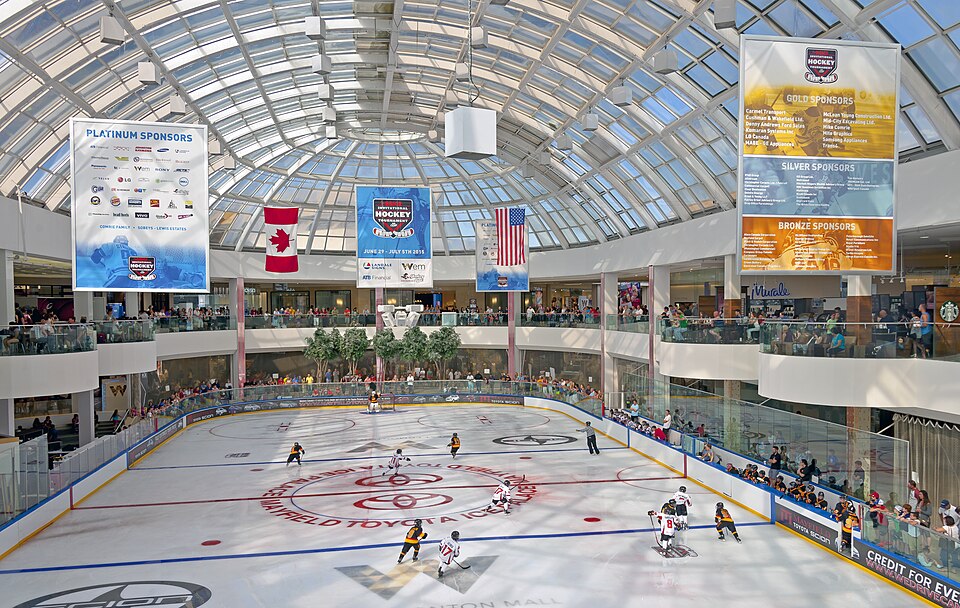
For field hockey players, skating is the biggest hurdle when transitioning to ice hockey. Your stick skills will help, but you need to prioritize skating fundamentals first. Focus on C-cuts for forward and backward movement, mastering stops and starts, and learning crossovers. Take skating lessons if possible—many rinks offer beginner classes specifically for adults. Practice falling and getting up quickly; it builds confidence and is essential for ice hockey. Expect to spend 2-3 months on skating before adding puck handling to your practice.
Essential Protective Gear for Beginners: What to Buy and What to Rent
Ice hockey requires more protective equipment than field hockey due to the physical nature of the sport and the hard ice surface. You’ll need a helmet with optional face cage, shoulder pads, elbow pads, shin guards, protective gloves, and proper hockey skates. Many rinks offer gear rentals for beginners, which is a smart way to test your commitment before investing $500-800 in new equipment. Make sure all gear fits properly—ill-fitting equipment can be dangerous and uncomfortable. Start with rentals, then buy your own gear once you’re committed to the sport.
Basic Stickhandling and Game Sense for New Players
Your field hockey stickhandling skills transfer well to ice hockey, but there are key differences. Keep your eyes up and not focused on the puck—this is crucial for ice hockey awareness. Focus on positioning and quick decision-making in small-area games rather than trying to stickhandle through everyone. Practice off-ice with a golf ball or roller hockey puck to maintain your hand-eye coordination. Ice hockey sticks have different curves and angles than field hockey sticks, so expect an adjustment period. The puck is heavier and slides differently than a field hockey ball. Once you’ve mastered the basics, you can explore hockey techniques like toe drags and saucer passes to elevate your game.
Transitioning from Field Hockey to Ice Hockey: What Changes and What Stays the Same
Transferable Skills: Hand-Eye Coordination and Stick Control
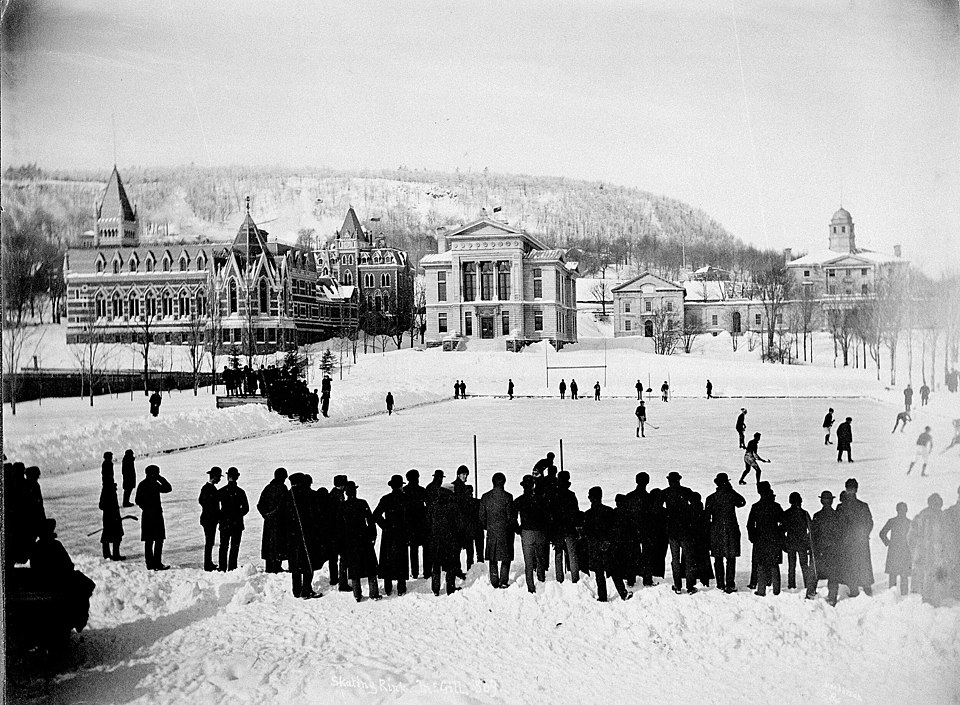
Field hockey players have a significant advantage when learning ice hockey stickhandling. Your existing hand-eye coordination and stick control mean you’ll learn puck handling faster than complete beginners. The basic principles of keeping the puck close, using soft hands, and reading the play transfer directly from field to ice. Many field hockey players find they can focus more on skating fundamentals because they don’t need to learn basic stick skills from scratch. Your experience with field hockey tactics and positioning also helps with ice hockey game sense.
Major Adjustments: Skating, Physicality, and Equipment Differences
The biggest changes from field hockey to ice hockey are skating instead of running, playing on ice instead of grass, and wearing much more protective gear. Ice skating requires different muscle groups and balance than field hockey running. The ice surface is much faster and more slippery than grass, requiring different movement strategies. Ice hockey equipment is heavier and bulkier—shoulder pads, elbow pads, and shin guards add significant weight. The hockey stick has a curved blade for puck control, unlike the flat field hockey stick. Physical contact is also more common in ice hockey, even in beginner leagues.
Leveraging Field Hockey Experience: Drills and Practice Strategies
Use your field hockey background to accelerate your ice hockey learning. Practice small-area games that combine your stick skills with new skating abilities. Work on quick passing and movement patterns you already know from field hockey, but adapt them to the ice surface. Use roller hockey pucks off-ice to practice stickhandling when you can’t get to the rink. Focus on drills that combine skating with puck control—start slow and build speed as your confidence grows. Your experience with field hockey tactics helps you understand positioning and team play concepts faster. Understanding hockey strategy like power play formations will give you a tactical edge as you progress to more competitive play.
Learning Resources and Getting Started: Adult Learn to Play Programs and Practice Strategies
Adult Learn to Play Clinics: The Best Starting Point for Beginners
Adult Learn to Play clinics are specifically designed for people with no ice hockey experience, including those transitioning from other sports like field hockey. These programs teach fundamentals in a supportive environment with other beginners. Many rinks offer these clinics, and they typically run for 4-8 weeks with weekly sessions. The instructors understand that adults learn differently than children and create a comfortable atmosphere for new players. These clinics provide equipment rentals, so you can try the sport without a major upfront investment. They’re the safest and most effective way to start ice hockey in 2026, and it’s worth checking the latest 2026 Hockey Rules Updates: What every player needs to know before joining your first league.
Finding Adult Leagues and Practice Opportunities
After learning the basics, you’ll want to find adult leagues to continue playing. Many rinks offer adult leagues for beginners, often called “C” or “D” level leagues where checking is limited or prohibited. It’s never too late to start—adult leagues welcome players of all ages and skill levels. Look for “no contact” or “beginner-friendly” leagues if you’re concerned about physical play. Practice opportunities include stick-and-puck sessions where you can work on skills without game pressure. Join online groups or forums for your local hockey community to find practice partners and league information. Improving your passing through Hockey Passing Drills: Building Team chemistry will make you a valuable teammate in your first league.
Practice Strategies: Off-Ice Training and Building Confidence
Consistent practice is key to improving your ice hockey skills. Off-ice training options include stickhandling with a golf ball to improve hand speed and coordination, and roller hockey for skating practice when ice time is limited. Emphasize practicing falling and getting up safely—this builds the confidence you need to play without fear. Set realistic expectations for your first 2-3 months: focus on skating fundamentals rather than trying to master everything at once. Practice 2-3 times per week if possible, mixing ice time with off-ice stickhandling. Track your progress and celebrate small improvements. Building strength and endurance through Off-Season Hockey Training: Building Strength will help you keep up with faster players as you advance.
Here’s the surprising truth: field hockey players often become better ice hockey players faster than complete beginners because your stick skills give you a significant advantage. The skating will take time, but your existing coordination means you’ll be playing competitive games within 4-6 months instead of 12+ months. Your next step: search ‘[your city] adult learn to play hockey 2026’ and sign up for a clinic this month—most programs offer gear rental and welcome complete beginners, including those transitioning from field hockey.
