
Hockey Training Programs: Build Your Skills Year-Round
Marden Russets Hockey Club’s players scored over 500 goals this season, and their structured year-round training programs are the key to this success. Whether you’re a beginner or advanced player, the right training framework can transform your game. For those wanting to understand the official framework, the 2026 Hockey Rules Updates provide essential guidance.
- Year-round training requires different focuses: off-season builds fundamentals, pre-season develops tactics, in-season maintains performance
- Skill progression follows a clear path: beginners master basics, intermediates develop 3D skills, advanced players refine game intelligence
- Holistic training includes physical conditioning, mental preparation, and injury prevention alongside technical skills
How to Structure Year-Round Hockey Training Programs
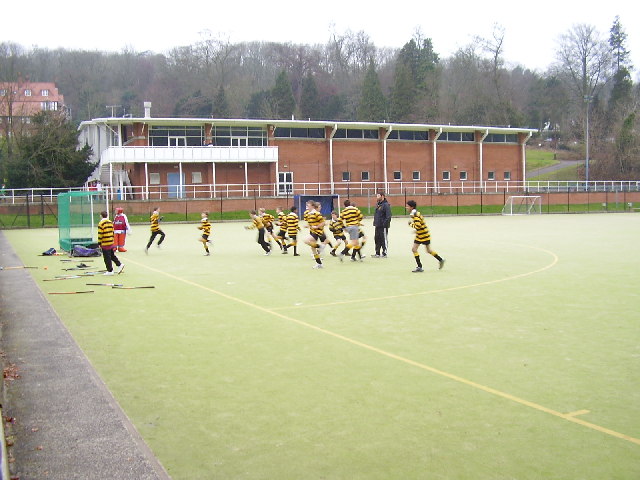
The foundation of any successful hockey career lies in understanding how to structure training throughout the year. Different seasons demand different focuses, and knowing when to push hard versus when to recover can make the difference between steady improvement and burnout. This approach has evolved significantly since the ancient origins of hockey.
Seasonal Training Breakdown: Off-Season to In-Season Focus
Off-season (3x/week, 60 min): Focus on conditioning and fundamental skills. This period builds your aerobic base and perfects basic techniques without the pressure of competition. Work on stick handling, basic passing, and footwork patterns.
Pre-season (4x/week, 90 min): Shift to team tactics and game simulation. Increase intensity as you prepare for competitive play. Incorporate small-sided games and tactical drills that mirror real match situations.
In-season (2-3x/week, 45 min): Prioritize maintenance and strategy. Focus on keeping skills sharp while managing fatigue from matches. Use this time for opponent analysis and tactical adjustments.
Recovery protocols and periodization principles: Include active recovery days, proper warm-up routines, and structured rest periods. Periodization ensures you peak at the right times while avoiding overtraining.
Marden Russets HC Training Schedule: Monday to Thursday Structure
Marden Russets Hockey Club runs junior and adult training sessions from Monday to Thursday, with junior coaching specifically on Sundays. The club’s 28 junior teams, ranging from Under 6s to Under 18s, follow a structured progression that has produced consistent results across all age groups.
The club moved to new grounds with state-of-the-art facilities in 2017, allowing for more specialized training areas and better scheduling flexibility. Each age group has designated training times that match their developmental needs and energy levels.
Building Training Intensity: From Beginner to Advanced Progression
Beginner (2x/week): Focus on basic skills with fundamental drills. Sessions emphasize proper technique over speed, building confidence through repetition.
Intermediate (3-4x/week): Add 3D skills to your training repertoire. This level introduces more complex movements and begins tactical awareness development.
Advanced (4-5x/week): Incorporate game simulation and strategy. Advanced players need high-intensity sessions that replicate match pressure and decision-making scenarios.
Skill-Level Progression Training Modules
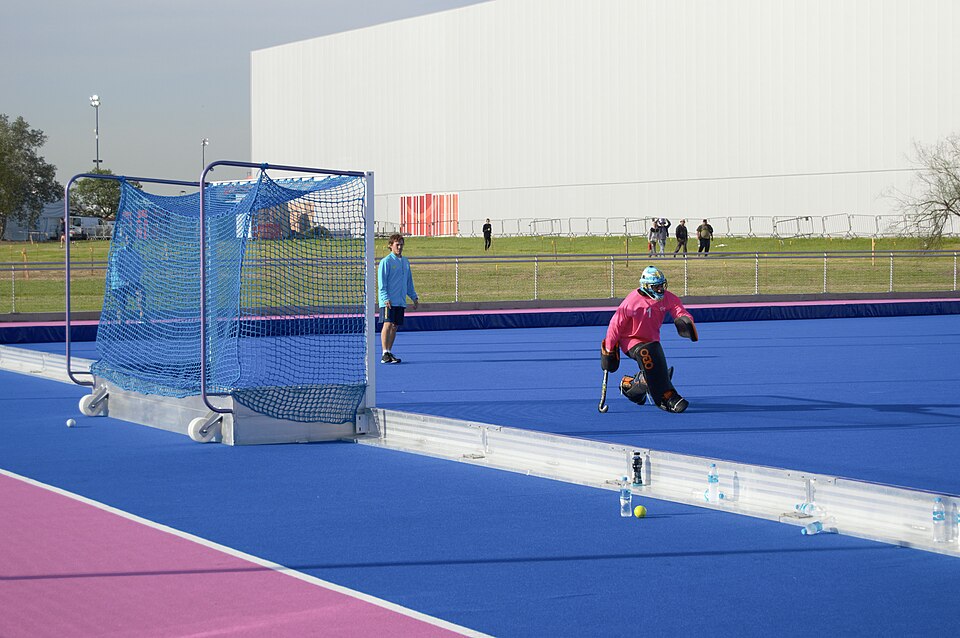
Understanding where you fit in the skill progression helps you train effectively. Each level builds on the previous one, creating a clear path from beginner to advanced play.
Beginner Training: Mastering Hockey Fundamentals
Basic stick handling (10 drills): Cone weaves, figure eights, and stationary ball control exercises form the foundation. These drills develop hand-eye coordination and comfortable ball possession.
Passing accuracy (5 exercises): Target passing, wall passes, and partner drills improve your ability to deliver the ball consistently. Focus on weight and direction control.
Receiving techniques (3 drills): Practice receiving on both open stick and reverse stick sides. Learn to cushion the ball and maintain possession under pressure.
Basic positioning (2 scenarios): Understand offensive and defensive positioning principles. Learn when to support teammates and when to create space.
Duration: 45-60 minutes per session. Frequency: 2-3 times per week. This foundation is essential before advancing to more complex skills.
Intermediate Training: Developing 3D Skills and Game Awareness
3D skills (lifts, jinks, pops) – 8 specific drills: These advanced techniques separate good players from great ones. Practice lifting the ball over sticks, quick direction changes, and sudden pops to beat defenders. Having the right equipment matters too—check out the latest Best Hockey Sticks 2026 for optimal performance.
Advanced passing combinations (6 patterns): Learn give-and-go sequences, diagonal runs, and overlapping movements. These patterns create scoring opportunities in game situations.
Small-sided games (3v3, 4v4): These games maximize touches and decision-making opportunities. They force quick thinking and improve spatial awareness. Incorporating hockey passing drills into these games builds team chemistry.
Video analysis sessions: Review your own gameplay and study professional matches. Understanding tactical patterns accelerates your development.
Duration: 60-75 minutes. Frequency: 3-4 times per week. This level bridges basic skills and advanced play.
Advanced Training: Elite Performance and Tactical Mastery
| Category | Specific Exercises | Duration |
|---|---|---|
| Technical | Precision shooting, advanced dribbling, reverse stick control | 20 min |
| Tactical | Set piece execution, defensive formations, transition play | 25 min |
| Physical | Explosive power drills, agility circuits, endurance training | 20 min |
| Mental | Visualization, pressure situation training, game intelligence drills | 15 min |
Game simulation scenarios: Practice specific match situations like penalty corners, breakaways, and defensive pressure. These scenarios build confidence for real-game execution.
Opponent analysis techniques: Study upcoming opponents’ strengths and weaknesses. Develop specific strategies to exploit their vulnerabilities. Understanding power play strategies can give your team a crucial advantage in key moments.
Recovery and nutrition protocols: Advanced training demands advanced recovery. Implement proper nutrition timing, sleep optimization, and active recovery techniques.
Beyond Skills: Holistic Training Components
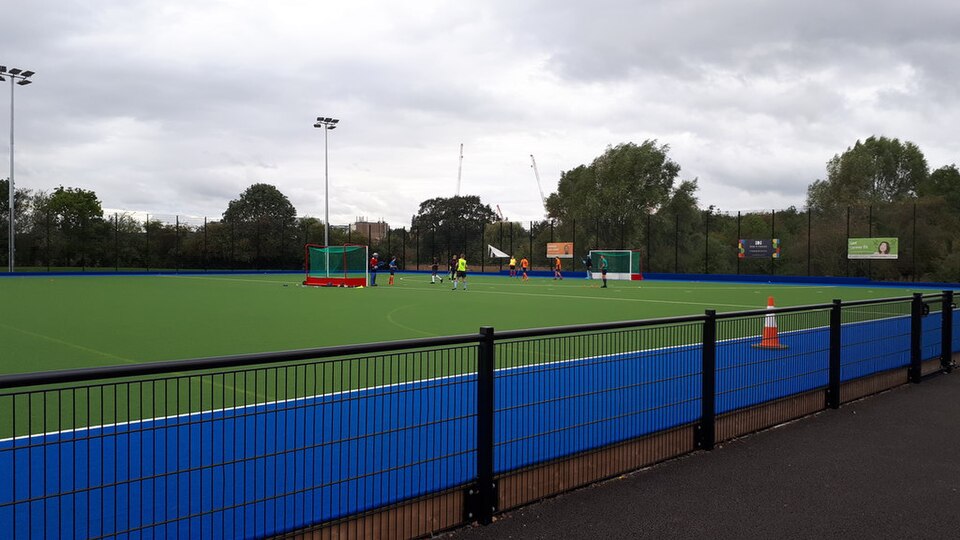
Technical skills alone don’t create champions. Physical conditioning, mental preparation, and injury prevention form the complete athlete package.
Physical Conditioning for Hockey: Strength and Endurance
Core strength exercises (5 key movements): Planks, Russian twists, dead bugs, leg raises, and rotational throws build the core stability essential for powerful shots and quick direction changes.
Leg power development (3 drills): Box jumps, lateral bounds, and single-leg squats develop the explosive power needed for sprinting and jumping.
Cardiovascular endurance (interval training protocols): Hockey requires repeated sprints with brief recovery. Train with 30-second high-intensity intervals followed by 60-90 seconds of active recovery.
Flexibility and mobility work (daily routine): Dynamic stretching before training and static stretching after prevents injuries and maintains range of motion.
Mental Toughness and Game Psychology
Visualization techniques: Mentally rehearse successful plays and game situations. This mental practice improves confidence and decision-making under pressure.
Pressure situation training: Create high-pressure training scenarios that simulate match conditions. Practice maintaining composure when the stakes feel high.
Confidence building exercises: Set achievable goals and track your progress. Celebrate small victories to build the self-belief necessary for competitive play.
Focus and concentration drills: Practice maintaining attention during long training sessions. Learn to block out distractions and stay mentally engaged.
Injury Prevention and Recovery Strategies
Proper warm-up routines (dynamic stretching sequence): Start with light cardio, progress to dynamic stretches, and finish with sport-specific movements. This prepares your body for intense activity.
Cool-down protocols (static stretching, foam rolling): After training, perform static stretches and use foam rollers to reduce muscle soreness and improve recovery.
Recovery nutrition guidelines: Consume protein and carbohydrates within 30 minutes post-training. Stay hydrated and consider electrolyte replacement for intense sessions.
Sleep optimization for athletes: Aim for 8-9 hours of quality sleep. Establish consistent sleep schedules and create optimal sleeping environments.
When to rest vs. train through minor soreness: Learn to distinguish between normal training soreness and potential injury signals. Rest when pain persists or worsens.
The most surprising insight is that 3D skills mastery (lifts, jinks, pops) is what separates good players from great ones, yet most players avoid these difficult skills. Start with 15 minutes of daily 3D skill drills using the cone drill pattern described in Section 2, and track your progress weekly. Within 8 weeks, you’ll notice dramatically improved ball control and confidence in game situations.
