
Ice hockey demands comprehensive protective gear to prevent serious injuries from high-speed collisions, flying pucks, and sharp skate blades. Every player needs HECC-certified equipment that fits properly and is maintained regularly for optimal safety and performance, especially considering the 2026 Hockey Rules Updates: What Every Player Needs to Know.
Key Takeaway
-
HECC-certified helmet mandatory for ice hockey safety (NHL Learn to Play)
-
Proper gear fit critical: shoulder pads align with shoulders, shin pads knee-to-ankle (Pure Hockey)
-
Replace helmets after impacts or 6.5-year HECC expiry; pads when foam flattens (USA Hockey)
-
Air dry gear post-use to prevent mildew; monthly deep clean with OxiClean (Midcoast Hockey)
-
Skate sharpening every 5-10 hours indoor ice (½”‑⅝” hollow for youth) (Midcoast Hockey)
Essential Hockey Protective Gear: What Every Player Needs
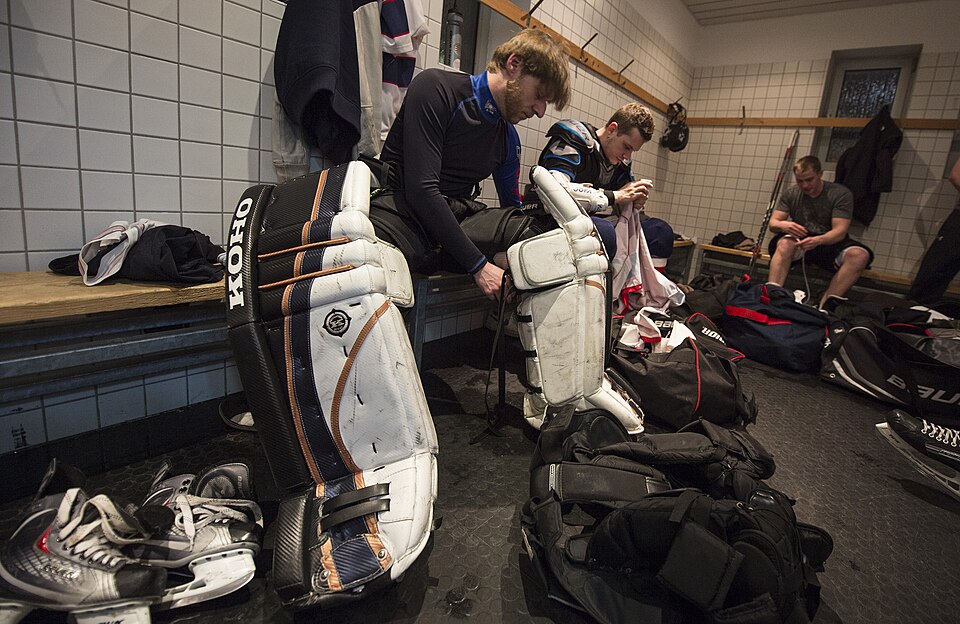
Helmet and Head Protection: HECC Certification Required
-
HECC-certified helmet mandatory – All ice hockey players must wear helmets certified by the Hockey Equipment Certification Council. This certification ensures the helmet meets strict safety standards for impact protection. HECC certification involves rigorous testing for penetration resistance, impact absorption, and retention system effectiveness.
-
6.5-year replacement cycle – Helmets expire 6.5 years from manufacture date or immediately after any significant impact. The foam degrades over time, reducing protection. Even if a helmet looks fine externally, the internal materials break down from sweat, temperature changes, and repeated impacts during normal use.
-
Face cage or visor required – Youth players must wear full face cages to protect against pucks and sticks. Adult players can choose between cages or clear visors based on league rules. Professional leagues typically require clear visors, while amateur leagues often mandate full cages for younger age groups.
-
Proper fit essential – The helmet should sit level on the head with the front edge no more than 1 inch above the eyebrows. The chin strap must be snug to prevent movement during play. A properly fitted helmet shouldn’t move when you shake your head, and the ear protection should cover the entire ear without gaps.
Body Protection: Shoulder Pads to Shin Guards
-
Shoulder pads alignment – Pads should cover the entire shoulder area with the top edge aligning with the shoulder line. They must allow full arm movement without sliding around during play. The bicep pads should extend to cover the upper arm, and the chest protector must shield the sternum and collarbone areas.
-
Elbow pad coverage – Pads should extend from the mid-bicep to mid-forearm, covering both the elbow joint and surrounding areas. They must stay in place when arms move. Quality elbow pads feature reinforced caps over the elbow point and extended forearm protection for slash defense.
-
Shin guard protection – Pads should run from just below the kneecap to the top of the skate boot. They must cover the entire shin without gaps where pucks could strike. Modern shin guards use a combination of hard plastic shells and foam padding to absorb impacts while maintaining flexibility.
-
Hockey pants (breezers) – These protect hips, thighs, and lower spine with built-in padding. They should fit snugly but allow crouching and skating movements. Quality hockey pants feature reinforced hip protection, tailbone padding, and thigh guards that extend to cover the upper leg.
-
Supporter and cup – Male players require an athletic supporter with protective cup to guard against impacts. This is mandatory in most leagues. The cup should fit comfortably without restricting movement, and the supporter must keep it properly positioned during all activities.
Selecting Protective Gear by Player Level and Position
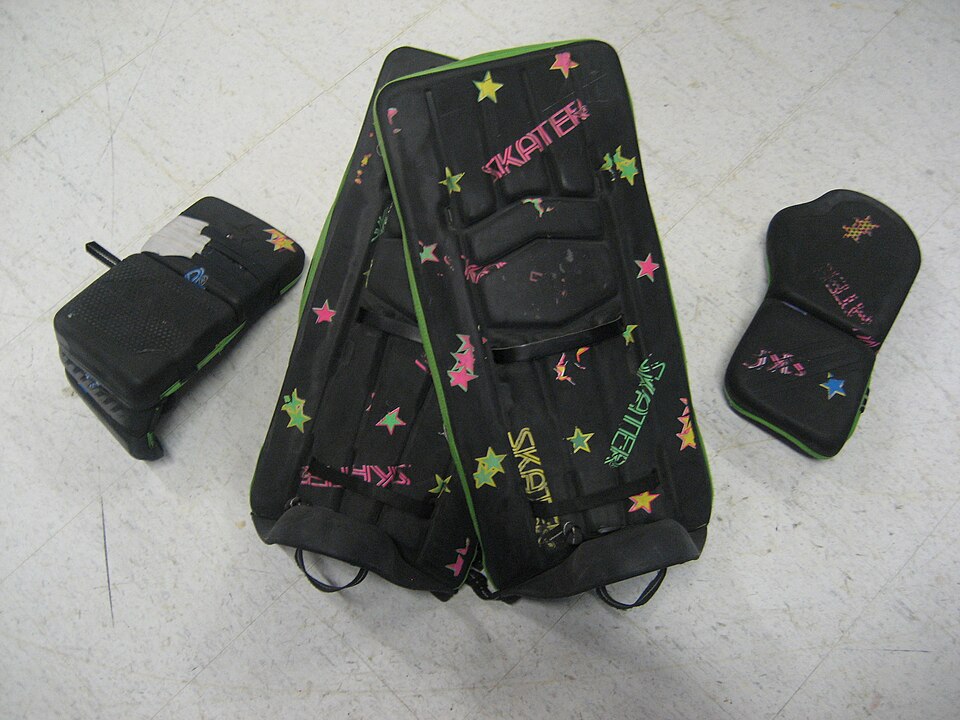
Beginner and Youth Player Equipment Selection
Beginner and youth players should prioritize safety and proper fit over performance features. Start with basic foam padding that provides maximum protection while allowing comfortable movement. Youth players need HECC-certified helmets with full face cages, as they’re more vulnerable to facial injuries from sticks and pucks.
Fit takes precedence – Equipment should feel snug but not restrictive. Shoulder pads shouldn’t slide when arms move, and shin guards must stay in place during skating. Youth players grow quickly, so check fit every few months and replace items that become too small. A properly fitted helmet for a youth player should have adjustable sizing mechanisms to accommodate growth.
Skate considerations – Youth skates should have a 1/2″ to 5/8″ hollow grind for better edge control on indoor ice. This shallower hollow provides more glide while still allowing quick stops and turns. Beginners don’t need expensive pro-level skates – focus on proper fit and comfort. Youth skates should be sized 1-1.5 sizes smaller than street shoes for proper fit with hockey socks.
Mandatory mouth protection – All youth players must wear mouthguards to protect teeth and reduce concussion risk. These should be properly fitted and replaced when they show wear or no longer fit correctly. Custom-fitted mouthguards offer superior protection compared to boil-and-bite options and can be particularly beneficial for players with braces.
Intermediate to Advanced Player Gear Upgrades
As players progress, equipment features evolve from basic protection to performance enhancement. Intermediate players benefit from lightweight materials that reduce fatigue during longer games and practices. Look for ventilated padding that manages sweat and prevents overheating.
Pro-stock advantages – Advanced players often choose pro-stock equipment used by professional players. These items feature higher-quality materials, better mobility, and enhanced durability. Brands like Bauer, CCM, and Warrior dominate the pro market with gear designed for maximum performance. Pro-stock equipment typically uses higher-density foams and more advanced moisture-wicking fabrics, and many players also upgrade their hockey equipment with the latest stick technology.
Position-specific gear – Forwards might prefer lighter shoulder pads for better mobility, while defensemen often choose more protective options for shot blocking. Goalies require specialized equipment with extra padding and unique designs for their specific needs. A defenseman’s shoulder pads might feature additional sternum protection, while a forward’s set emphasizes range of motion.
Material technology – Advanced gear incorporates moisture-wicking fabrics, antimicrobial treatments, and impact-absorbing foams. These features improve comfort and extend equipment life, though they come at higher price points. Modern protective gear often uses multi-density foam constructions that provide firm protection where needed while maintaining flexibility in other areas.
Hockey Equipment Maintenance and Replacement Guidelines
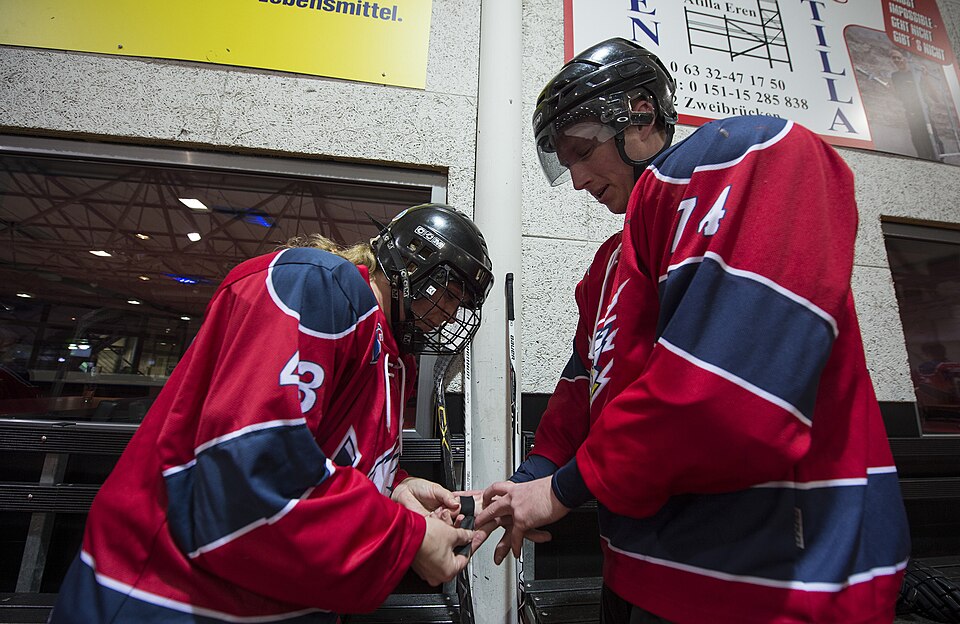
Daily and Weekly Gear Care Routine
-
Air dry immediately – Remove all gear from the equipment bag after each use and hang it in a well-ventilated area. Never store wet gear in closed bags, as this promotes bacteria growth and mildew. Use a gear drying rack or simply hang items on a clothesline or over a shower rod.
-
Wipe helmets and skates – Use a clean cloth to wipe down helmets, especially the inside foam padding. Dry skate blades completely to prevent rust and store them with soakers or blade guards. The helmet interior should be wiped with a mild disinfectant solution weekly to prevent odor buildup.
-
Odor control – Use Lysol Laundry Sanitizer or similar products to kill bacteria that cause odors. Spray equipment lightly and allow it to dry completely before storage. For persistent odors, consider using activated charcoal bags in your equipment bag to absorb moisture and smells.
-
Weekly checks – Inspect all straps, buckles, and padding for wear. Tighten loose screws on helmets and skates. Check that all protective elements still cover their intended areas. Pay special attention to the condition of helmet screws and the integrity of strap attachments.
Monthly Deep Cleaning and Equipment Replacement
|
Gear Type |
Cleaning Method |
Replacement Trigger |
Frequency |
|---|---|---|---|
|
Helmets |
Soap and water wipe-down |
6.5 years or post-impact |
Every use check |
|
Shoulder/Elbow Pads |
Machine wash gentle cycle |
Foam flattens or cracks |
Monthly deep clean |
|
Shin Guards |
Soak in OxiClean solution |
Shell cracks or padding fails |
Monthly deep clean |
|
Hockey Pants |
Machine wash gentle cycle |
Padding compresses or tears |
Monthly deep clean |
|
Skates |
Blade sharpening, boot wipe |
Blades dull or boot breaks |
Every 5-10 ice hours |
Deep cleaning process – Fill a bathtub with warm water and add OxiClean or a mixture of vinegar and mild detergent. Soak equipment for 30 minutes, then rinse thoroughly. For machine washing, use a mesh laundry bag and gentle cycle with cold water. Always air dry equipment – never use a clothes dryer as the heat can damage padding and warp plastic components.
Skate maintenance – Indoor ice requires sharpening every 5-10 hours of use. The hollow depth (1/2″ to 5/8″ for youth) affects glide and turning ability. Professional sharpening ensures proper balance and edge alignment. Players who skate more frequently may need sharpening every 4-6 hours, while casual players might extend to 12-15 hours between sharpenings.
Replacement indicators – Replace helmets after any significant impact or when they reach 6.5 years old. Shoulder and elbow pads need replacement when foam loses its shape or develops cracks. Shin guards should be replaced if the hard shell cracks or padding separates from the shell. Hockey pants require replacement when the outer material tears or the protective padding becomes compressed and ineffective.
The most surprising finding is that proper equipment maintenance can extend gear life by 50% while maintaining safety standards. Many players replace equipment too frequently when simple cleaning and care could restore performance. The single most important action step: establish a consistent post-game routine of removing gear from bags and air drying it completely before the next use.
