
Hockey penalties range from green, yellow, and red cards in field hockey to minor and major suspensions in ice hockey, each designed to maintain fair play and safety. Understanding these disciplinary actions is essential for players, coaches, and fans to grasp how the game flows and how teams adapt their strategies when shorthanded or on power plays. Proper hockey equipment can also help prevent injuries that might lead to penalties.
Key Takeaway
-
Hockey penalties include green, yellow, and red cards in field hockey with specific suspension times
-
Ice hockey penalties range from minor 2-minute suspensions to major 5-minute penalties and game misconduct
-
The Gretzky Rule (1985-1992) changed how coincidental penalties were enforced to prevent 4-on-4 advantages
What Are the Main Types of Hockey Penalties?
Field Hockey Penalty Cards and Suspension Times
-
Green Card: 2-minute suspension (warning) – The player receives a temporary suspension and the team continues with full strength, serving as an official warning for minor infractions such as delaying the game or showing dissent toward officials. This card system helps officials manage player behavior progressively without immediately disrupting team dynamics.
-
Yellow Card: Temporary suspension (minimum 5 minutes), team plays shorthanded – More serious fouls result in the offending player being sent off for at least 5 minutes, forcing their team to play with one fewer player during this time. This includes dangerous tackles, repeated minor offenses, or intentional rule violations that compromise player safety or game integrity.
-
Red Card: Permanent exclusion from the game – The most severe penalty where the player is ejected immediately and cannot return, leaving their team to finish the match shorthanded. This is typically issued for violent conduct, serious foul play, or accumulating two yellow cards in a single match, and often results in additional match suspensions.
Ice Hockey Penalty Types and Duration
-
Common penalties include: High Sticking, Headbutt, Abuse of Officials, Cross-checking, Roughing, Charging, Unsportsmanlike Conduct, and Too Many Men – These infractions range from dangerous stick use to physical altercations and rule violations. High sticking involves contact above the shoulders, while charging refers to excessive speed before body contact. Abuse of officials carries additional fines and suspensions beyond the standard penalty time.
-
Minor penalties: 2-minute suspension, ends on opponent’s goal – Players serve 2 minutes in the penalty box, but if the opposing team scores during this time, the penalized player may return early. This creates strategic decisions about when to take certain penalties, as teams often try to draw minor penalties when they’re already leading or have momentum.
-
Major penalties: 5-minute suspension, game misconduct – More serious offenses result in 5-minute penalties where the player must serve the full time regardless of goals scored, plus potential game ejection. These include fighting, boarding, or deliberate injury attempts, and often result in additional disciplinary hearings and suspensions from the league office.
How Do Penalties Impact Game Strategy and Play?
Power Play and Shorthanded Situations Explained
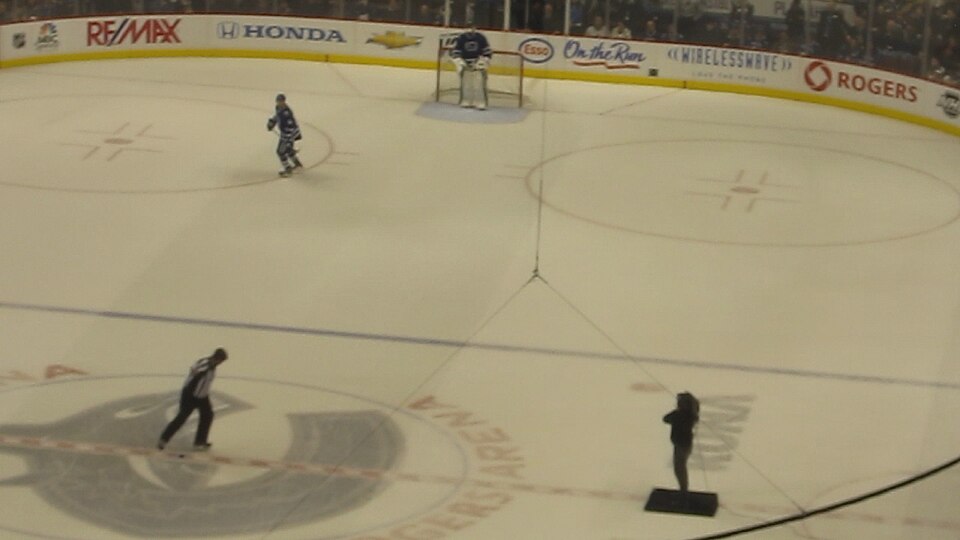
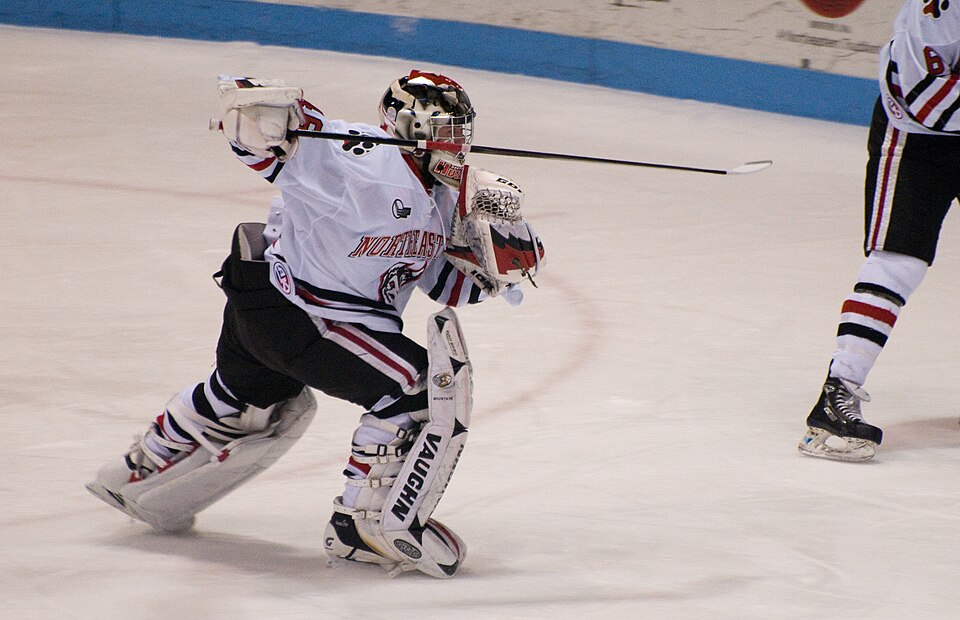
When a team has a player in the penalty box, the opposing team gets a power play advantage, creating a 5-on-4 situation that teams strategically exploit. Coaches design specific power play formations and passing patterns to maximize scoring opportunities during these man-advantage situations. The most common power play formation is the “umbrella” setup, where defensemen position themselves at the blue line and forwards create triangles in the offensive zone to generate passing lanes and shooting opportunities. Teams play shorthanded when they have players in the penalty box, requiring defensive adjustments like collapsing into tighter formations and focusing on blocking shooting lanes. Shorthanded teams often employ a “box plus one” penalty kill formation, where four players form a box in front of the net while one forward pressures the puck carrier to force turnovers. Coincidental penalties can result in 4-on-4 or 5-on-5 play depending on rules, with 4-on-4 creating more open ice that skilled teams can use to generate scoring chances through quick puck movement and odd-man rushes. Mastering hockey techniques like stick handling becomes crucial during these penalty situations.
The Gretzky Rule and Coincidental Penalties
Introduced in 1985, the NHL mandated that coincidental penalties would result in 5-on-5 play, rather than 4-on-4, to prevent teams like the Edmonton Oilers from exploiting open ice advantages. The rule aimed to curb the dominance of teams who had mastered 4-on-4 strategies, particularly the Oilers’ fast-paced, skill-based attack that thrived in open ice situations. Wayne Gretzky’s Edmonton Oilers were notorious for their ability to create scoring chances in 4-on-4 situations, using their superior skating and puck-handling skills to generate odd-man rushes and quick transitions. Rule was reversed for the 1992-93 season due to a drop in league-wide scoring, as the 5-on-5 format reduced the excitement and goal-scoring opportunities that fans enjoyed. This historical change demonstrates how penalty rules directly impact game flow, scoring rates, and the strategic balance between physical play and skill execution. The reversal also highlighted how rule changes can have unintended consequences, as the league discovered that limiting 4-on-4 play actually decreased overall offensive production. This evolution of hockey rules reflects the broader Evolution of Hockey: From Ancient origins to modern game.
What Are Common Fouls That Lead to Penalties?
Field Hockey Fouls and Dangerous Play
-
Using the rounded side of the stick: Players must use only the flat side of their hockey stick when playing the ball, as using the rounded back side constitutes a foul and results in a free hit for the opposing team. This rule ensures consistent ball control and prevents players from gaining unfair advantages through unconventional stick use. The stick’s design, with its flat playing surface and rounded back, creates a natural limitation that forces players to develop proper technique.
-
Playing the ball with feet/body: Field hockey requires players to use their sticks to control the ball, making any contact with feet or body a foul that stops play and awards possession to the other team. This maintains the skill-based nature of the sport and prevents players from using their bodies to control the ball. The only exception is when the ball accidentally hits a player’s foot without the player gaining an advantage, in which case play may continue.
-
Dangerous play: Actions that could injure opponents, such as high swinging, lifting the ball dangerously, or playing in a manner that endangers others, result in penalties to protect player safety. This includes shots lifted above knee height when opponents are within 5 meters or playing the ball while lying on the ground. Dangerous play also encompasses actions like swinging the stick in a way that could strike an opponent or playing the ball in a manner that creates an unsafe situation for other players.
Ice Hockey Fouls and Physical Contact Violations
-
High Sticking: Making contact with an opponent above the shoulders with the stick, whether intentional or accidental, results in penalties due to the risk of injury from stick blades. This includes follow-through on shots that contact defenders’ heads or raising the stick above shoulder height during play. High sticking penalties can be called even if the contact was accidental, as player safety is the primary concern.
-
Headbutt: Any contact made with the head against an opponent, including intentional head-butting or using the head to make contact, is penalized for player safety. This protects players from concussions and other head injuries that can result from deliberate head contact. Head contact is strictly prohibited in modern hockey due to the long-term health consequences of head injuries.
-
Cross-checking: Using the shaft of the stick to forcefully check an opponent, often resulting in pushing or hitting with both hands on the stick separated, is penalized for excessive force. This creates dangerous situations where players can be driven into boards or ice at high speeds. Cross-checking is particularly dangerous because it concentrates force through the stick rather than distributing it across the body.
-
Roughing: Minor physical altercations or unnecessary roughness that doesn’t rise to the level of fighting but still violates the rules of fair physical contact. This includes pushing, shoving, or grabbing that goes beyond normal physical play. Roughing penalties are often assessed when players retaliate after a clean hit or engage in post-whistle scrums.
-
Charging: Taking excessive steps or distance to build up speed before body checking an opponent, often resulting in dangerous collisions and potential injury. Players must slow down when approaching opponents to ensure safe body contact. Charging is particularly dangerous because it increases the force of impact and reduces the ability of the player being hit to protect themselves.
-
Stick interference: Using the stick to impede an opponent’s movement or stick handling, including lifting sticks, hooking, or otherwise preventing legal play. This disrupts the flow of the game and prevents fair competition for puck possession. Stick interference includes actions like “tugging” an opponent’s stick or using the stick to hold them back.
-
Obstruction: Impeding an opponent’s progress without attempting to play the puck, including holding, grabbing, or blocking their path illegally. This prevents skilled players from using their speed and agility to create offensive opportunities. Obstruction includes actions like “slew footing” where a player uses their leg to knock an opponent’s feet out from under them.
-
Advancing (feet): Using feet or body to deliberately advance the puck in ice hockey, which is prohibited as players must use their sticks to control the puck. This maintains the fundamental skill requirement of stick handling in ice hockey. The only exception is the goalkeeper, who is allowed to use their body to direct the puck within their designated area.
The most surprising finding is how the Gretzky Rule’s reversal in 1992-93 directly impacted hockey’s entertainment value, as fans and players had grown accustomed to the faster pace and higher scoring of 4-on-4 play. For immediate application, players should focus on understanding the specific suspension times for each penalty type, as knowing whether you’ll return early if the opponent scores (minor penalties) or must serve the full time (major penalties) can influence decision-making during intense moments in the game. Additionally, staying updated on 2026 Hockey Rules Updates: What players need to know can help teams adapt to any new penalty enforcement changes.
