
Field hockey has been shaped by extraordinary athletes whose skills and achievements have transformed the sport into a global phenomenon. From the early dominance of Indian players to modern-day legends, these athletes have set records, inspired generations, and elevated field hockey to new heights.
Key Takeaway
-
Major Dhyan Chand led India to three consecutive Olympic gold medals (1928, 1932, 1936) and scored over 400 goals
-
Luciana Aymar is the only player to win the FIH Player of the Year award eight times
-
Jamie Dwyer won the FIH Player of the Year award five times and led Australia to numerous gold medals
-
Field hockey was formalized in England in the mid-19th century with the first club established in 1849
The Greatest Field Hockey Players of All Time
Major Dhyan Chand: The Wizard Who Dominated Three Olympics
-
Three consecutive Olympic gold medals (1928, 1932, 1936) – Dhyan Chand led India to unprecedented Olympic dominance, scoring over 400 international goals throughout his career
-
Known as ‘The Wizard’ or ‘The Magician’ for incredible stick control – His ball-handling skills were so extraordinary that opponents and spectators alike were left in awe of his abilities
-
His stick was once inspected for a magnet – The level of control he displayed was so remarkable that officials suspected his equipment might be tampered with
-
Transformed Indian hockey into a global powerhouse – Dhyan Chand’s performances established India as the dominant force in field hockey for decades
-
Scored 14 goals in the 1928 Amsterdam Olympics – His goal-scoring prowess was evident from the beginning of his Olympic career
Modern Legends: Jamie Dwyer and Luciana Aymar’s Record-Breaking Careers
Jamie Dwyer and Luciana Aymar represent the pinnacle of modern field hockey excellence, though their achievements and playing styles reflect different eras and approaches to the game. Dwyer, the Australian forward, won the FIH Player of the Year award five times between 2004 and 2011, showcasing his consistent excellence over nearly a decade. His versatility allowed him to excel in multiple positions, and his leadership helped Australia secure the 2004 Olympic gold medal and numerous Champions Trophy titles.
Luciana Aymar, known as ‘The Magician’ of women’s hockey, dominated the women’s game with unprecedented consistency. The Argentine midfielder won the FIH Player of the Year award eight times between 2001 and 2013, a record that may never be broken. Her dribbling skills, vision, and ability to control the tempo of matches made her the centerpiece of Argentina’s national team, which won multiple Champions Trophy titles and Olympic medals under her leadership.
While Dwyer’s career was marked by his adaptability and goal-scoring ability across different positions, Aymar’s influence came from her ability to dictate play from midfield and create opportunities for teammates. Both players led their national teams to multiple international victories, but Aymar’s eight Player of the Year awards stand as a testament to her sustained excellence over a longer period than any other player in field hockey history.
The Evolution of Field Hockey: From England to Global Sport
When and Where Was Modern Field Hockey Invented?
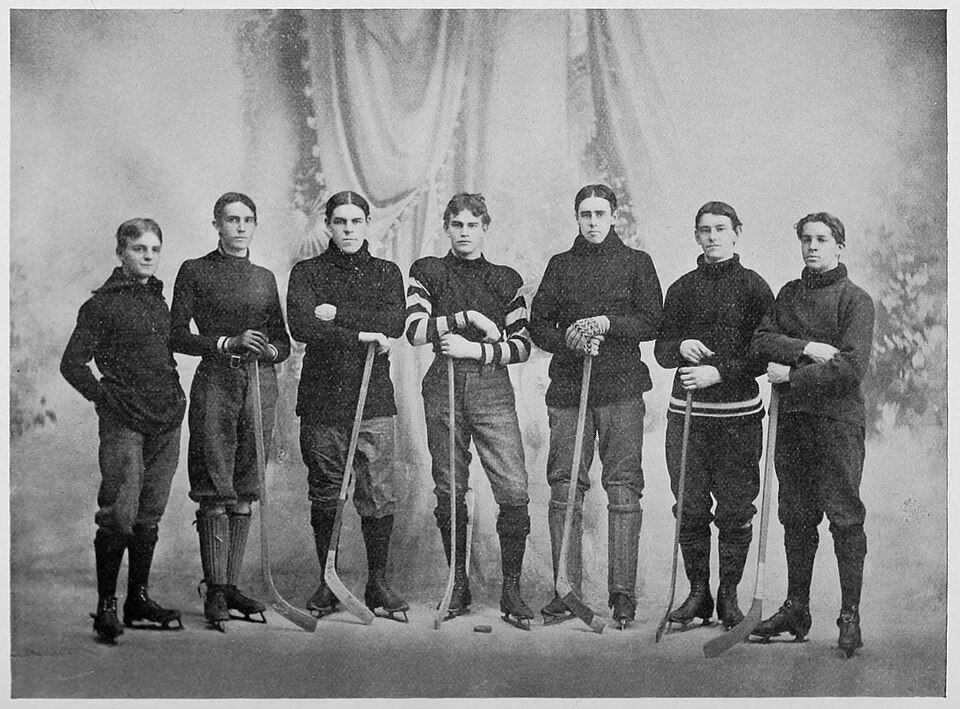
The modern game of field hockey evolved in England during the mid-19th century, emerging from various stick-and-ball games that had been played for centuries. The first men’s hockey club, Blackheath, was formed in London in 1849, establishing the foundation for organized competition. This club’s formation marked the beginning of field hockey as we know it today, with standardized rules and competitive structure.
The Hockey Association was established in London in 1886, creating the first official governing body for the sport. This organization developed and codified the rules that would govern field hockey for generations to come. The establishment of this governing body was crucial for the sport’s development, as it provided consistency across different clubs and regions, allowing for proper competition and the growth of the game.
By the late 19th century, field hockey had spread beyond England to other countries, including India, Australia, and the Netherlands. The British Empire played a significant role in this global expansion, as the sport was introduced to colonies and territories where British influence was strong. This international spread laid the groundwork for field hockey becoming one of the most popular team sports worldwide, with strong traditions in countries across Europe, Asia, and the Americas.
The First Field Hockey Game and Early Clubs
-
First formal field hockey club, Blackheath Hockey Club, established in London in 1861 – This club predates the first men’s club by twelve years and represents the earliest organized field hockey competition
-
Sport spread to India, Australia, and Netherlands by late 19th century – The rapid international expansion demonstrated the game’s universal appeal and adaptability to different cultures
-
Marden Russets Hockey Club founded in 1921, still active today – This long-established club in Kent, England, represents the enduring legacy of early field hockey organizations
-
Modern field hockey clubs emerged across the British Empire – The sport’s growth followed colonial expansion, establishing strong traditions in former British territories
-
Early clubs focused on community and competition – These organizations created the social framework that would support field hockey’s development for over a century
Legendary Players Who Shaped Modern Hockey

Balbir Singh Sr. and India’s Olympic Dynasty
Balbir Singh Sr. was the architect of India’s golden era in field hockey, helping the national team secure three consecutive Olympic gold medals from 1948 to 1956. As a legendary center-forward, his scoring ability and tactical intelligence made him one of the most feared attackers in the game. His performances during this period established India as the dominant force in international field hockey, a status the country would maintain for decades.
Singh’s playing style combined exceptional stick work with remarkable positioning sense, allowing him to find space in the most crowded defensive setups. His ability to read the game and anticipate movements made him invaluable to India’s attacking strategies. During the 1952 Helsinki Olympics, he scored five goals in India’s 6-1 victory over the Netherlands in the final, a record for most goals by an individual in an Olympic men’s hockey final that still stands today.
The 1948 London Olympics marked India’s first gold medal as an independent nation, and Singh’s contributions were crucial to this historic achievement. His partnership with other Indian hockey greats created a level of understanding and coordination that overwhelmed opponents. The three consecutive Olympic titles from 1948 to 1956 represented the peak of Indian hockey dominance, with Singh at the center of this unprecedented success. His legacy extends beyond statistics, as he helped establish field hockey as India’s national sport and inspired generations of players who followed.
Sohail Abbas: The Modern Scoring Machine
-
Surpassed 300 international goals, highest scorer in modern field hockey – Abbas’s goal-scoring record represents the evolution of attacking play in contemporary field hockey
-
Recognized for drag flick technique and penalty corner expertise – His specialized skills revolutionized how teams approach set pieces and scoring opportunities
-
Represented Pakistan in multiple international tournaments – Abbas’s career spanned over a decade, during which he consistently performed at the highest level
-
Held record for most goals in a calendar year – His scoring rate demonstrated exceptional consistency and predatory instincts in front of goal
-
Influenced modern attacking strategies – Teams now build offensive systems around specialized drag flickers, a trend largely initiated by players like Abbas
The most surprising finding in field hockey history is how the sport’s greatest players often emerged from nations that weren’t the original inventors of the game. While field hockey was formalized in England, countries like India, Argentina, and Pakistan have produced the sport’s most legendary figures. This global evolution demonstrates how sports transcend their origins to find new expressions and excellence in different cultures.
To appreciate field hockey’s rich history, start by watching classic matches featuring these legendary players. Their techniques, strategies, and sportsmanship continue to influence how the game is played today, making historical matches valuable learning tools for modern players and fans alike.
Frequently Asked Questions About Hockey History Famous Players
Who is considered the father of modern hockey?
James George Aylwin Creighton is credited with organizing the first recorded indoor ice hockey match in 1875, establishing foundational rules for the game.
What was the first hockey club?
The Blackheath Club, established in 1861, was one of the earliest hockey clubs that helped shape the sport's development in England.
Who are some of the greatest field hockey players of all time?
While the article highlights legendary players who shaped modern hockey, specific names aren't provided in the available data.
