

Field hockey is the world’s third most popular sport, played in over 100 countries, yet many fans don’t know its fascinating history and unique rules. From ancient stick-and-ball games to modern Olympic competitions, hockey is filled with mind-blowing facts, records, and trivia that will surprise even the most dedicated fans.
Key Takeaway
-
Field hockey is the world’s third most popular sport, played in over 100 countries
-
Players must use only right-handed sticks with a flat left side
-
Goals only count if scored within the striking circle or ‘D’
-
Marden Russets Hockey Club scored over 500 goals in the 2024-2025 season
Field Hockey’s Ancient Origins and Modern Evolution

Field hockey traces its roots back thousands of years to ancient civilizations. Archaeological evidence shows that stick-and-ball games were played in ancient Greece and Rome, where players used curved sticks to hit balls made of leather or wood. These early games laid the foundation for what would become modern field hockey. The sport’s longevity is remarkable – while many contemporary sports emerged in the 19th or 20th centuries, field hockey’s basic concept has remained consistent for millennia. Ancient Egyptian tombs contain paintings depicting games resembling field hockey, and similar games were played by the Aztecs and other indigenous cultures across the Americas. This widespread ancient presence suggests that the fundamental appeal of stick-and-ball games is universal across human cultures.
Ancient Greek and Roman roots of stick-and-ball games
The modern game of field hockey originated in 19th-century England, where it evolved from these ancient stick-and-ball traditions. British soldiers and colonial administrators spread the game throughout the British Empire, establishing hockey in countries like India, Australia, and New Zealand. The first formal rules were established in 1876 by the Hockey Association in England, standardizing the game we know today. Unlike many sports that emerged in the 20th century, field hockey’s development spans millennia, making it one of the oldest organized team sports still played at a professional level. The game’s ancient heritage connects modern players to a tradition that predates recorded history in many cultures. Field hockey’s evolution from casual ancient games to organized sport mirrors human civilization’s development from tribal societies to complex global communities.
Mind-Blowing Hockey Rules and Equipment Facts
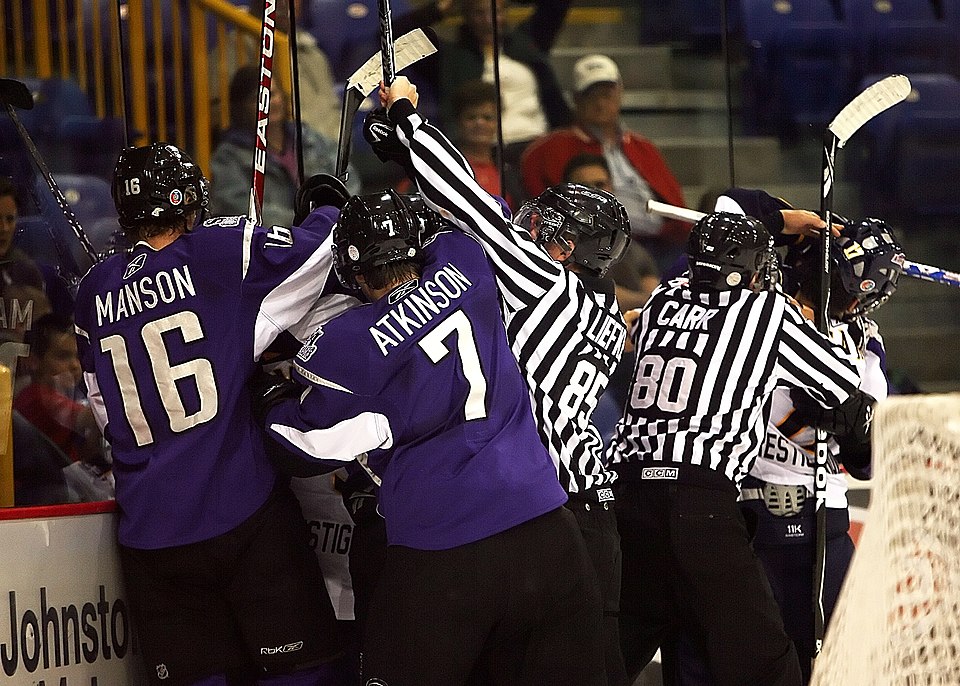
Field hockey contains several unique rules and equipment requirements that set it apart from other sports. These distinctive features create the game’s signature style and challenge players in ways that other sports don’t. Understanding these rules reveals why field hockey has maintained its unique identity despite global competition from other sports. The sport’s equipment and rules have been refined over centuries to create a balanced, exciting game that tests multiple athletic skills simultaneously.
Why field hockey only allows right-handed sticks
Unlike ice hockey, where players can use either hand, field hockey requires all players to use sticks with a flat side on the left. This means there are no left-handed sticks allowed in the game. The design serves a specific purpose: it ensures that all players face the same technical challenges and that the game maintains its distinctive playing style. When a player holds the stick with the right hand on top and the left hand below, the flat side naturally faces forward for right-handed players. This standardization affects everything from basic dribbling to advanced shooting techniques, making field hockey uniquely challenging for left-handed athletes who must adapt to using their non-dominant hand for stick control. The rule also creates a level playing field where success depends on skill rather than equipment advantages. This equipment standardization has been crucial to field hockey’s global development, as it eliminates equipment-based disparities between players from different economic backgrounds.
The ‘D’ rule: Why goals only count from the striking circle
One of field hockey’s most distinctive rules is the ‘D’ or striking circle. Goals only count if the ball is struck within this semi-circular area that extends 14.63 meters from the goal. This rule dramatically affects game strategy, as teams must work the ball into this specific zone before attempting to score. The ‘D’ creates intense battles for positioning and makes defensive play around the goal circle crucial. Goalkeepers become especially important because they must defend this specific area, and offensive players must develop precise shooting skills to score from within the restricted space. This rule adds a layer of tactical complexity that makes field hockey uniquely strategic compared to other goal-based sports. The 14.63-meter measurement was chosen specifically to create optimal scoring opportunities while maintaining defensive challenge. The ‘D’ rule has remained largely unchanged since the sport’s formalization, demonstrating its effectiveness in creating balanced, exciting gameplay.
Amazing Hockey Records and Statistics

Field hockey boasts impressive records and statistics that showcase the sport’s global reach and competitive intensity. From individual achievements to team milestones, these numbers tell the story of hockey’s enduring appeal. The sport’s statistical achievements reflect both its ancient heritage and modern competitive evolution. Field hockey’s records span from grassroots participation to elite international competition, demonstrating the sport’s comprehensive global impact.
Marden Russets Hockey Club’s 500+ goal season achievement
-
Marden HC players recorded over 500 goals across the club during the 2024-2025 season, demonstrating exceptional offensive firepower that places them among the highest-scoring clubs in their region
-
The Ladies 4s team secured 1st place in their league in March 2026 with multiple games to spare, showcasing dominant performance that included several 3-0 victories throughout the season
-
Club members enjoy extensive hockey opportunities, with junior coaching sessions running throughout the week and adult training from Monday to Thursday, creating a pipeline of talent that contributes to high scoring numbers
-
The club’s dedicated home ground features two sand-dressed pitches that provide optimal playing conditions year-round, allowing for consistent performance and high-quality training that translates to scoring success
-
Recent successes include multiple 3-0 victories, highlighting the team’s defensive strength and offensive efficiency, with the clean sheet record matching the goal-scoring achievements
Field hockey’s global popularity and Olympic presence
Field hockey ranks as the world’s third most popular sport, trailing only soccer and cricket in global participation. The sport is played professionally in over 100 countries, with particularly strong traditions in India, the Netherlands, Australia, and Argentina. Field hockey has been an Olympic sport since 1908 for men and 1980 for women, providing a global stage for the world’s best players. India dominated men’s Olympic hockey for decades, winning six consecutive gold medals from 1928 to 1956. The sport’s Olympic status has helped maintain its popularity and provided opportunities for international competition that continue to grow the game worldwide. The Netherlands women’s team has been particularly successful, winning multiple Olympic gold medals and World Cup titles, demonstrating the sport’s competitive depth across different nations and genders. Field hockey’s Olympic inclusion has also driven technological innovations in equipment and playing surfaces, making the modern game faster and more exciting than ever before.
The most surprising fact about field hockey is that its ancient origins connect modern players to civilizations that existed thousands of years ago. When you step onto a hockey field today, you’re participating in a game that ancient Greeks and Romans once played with remarkably similar equipment. This historical continuity makes field hockey unique among modern sports. To experience this fascinating sport firsthand, consider joining a local club like Marden Russets Hockey Club, where players of all ages and skill levels can enjoy the game’s rich traditions while creating new memories on the field.
Frequently Asked Questions About Hockey Facts Trivia Records
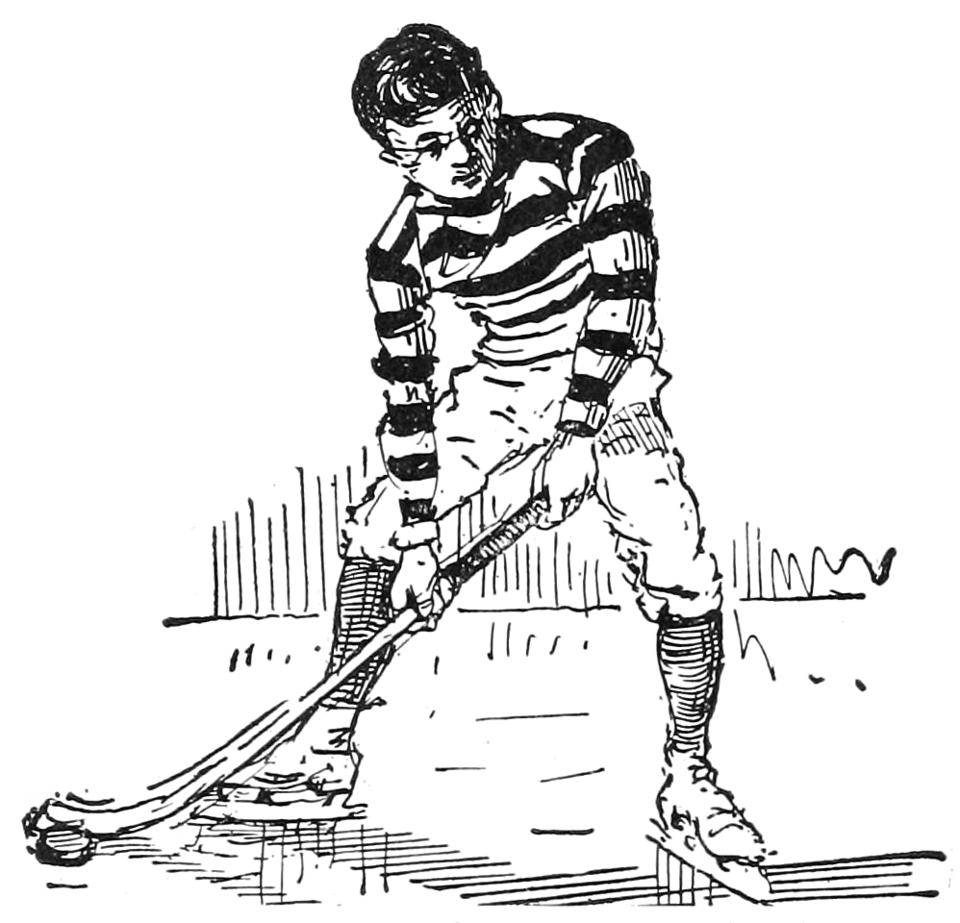
What is the oldest known sport similar to field hockey?
Field Hockey is thought to be one of the oldest games played with a ball and stick, with origins dating back to ancient civilizations before evolving into the modern sport in England.
What is a hockey fake called?
In ice hockey, a deke is a feint or fake technique where a player misleads an opponent to maintain puck control and create scoring opportunities.
What are some of the most amazing hockey records?
Hockey boasts incredible records like Wayne Gretzky's 894 career NHL goals and the fastest slapshot at 110.3 mph, showcasing the sport's remarkable achievements and statistics.
