
Hockey equipment has evolved from heavy leather and wood in 1900 to lightweight composite materials, significantly enhancing player safety, speed, and performance. What began as rudimentary gear made from natural materials has transformed into high-tech equipment that allows players to perform at levels unimaginable a century ago.
Key Takeaway
-
Hockey equipment evolved from heavy leather and wood in 1900 to lightweight composite materials, significantly enhancing player safety, speed, and performance.
-
Major changes include composite sticks, protective plastic padding, mandatory helmets, specialized goalie gear, and lightweight synthetic skates.
-
The modern game is faster and safer due to technological advancements in materials and design over the past century.
From Wood to Carbon Fiber: The Stick Evolution Timeline
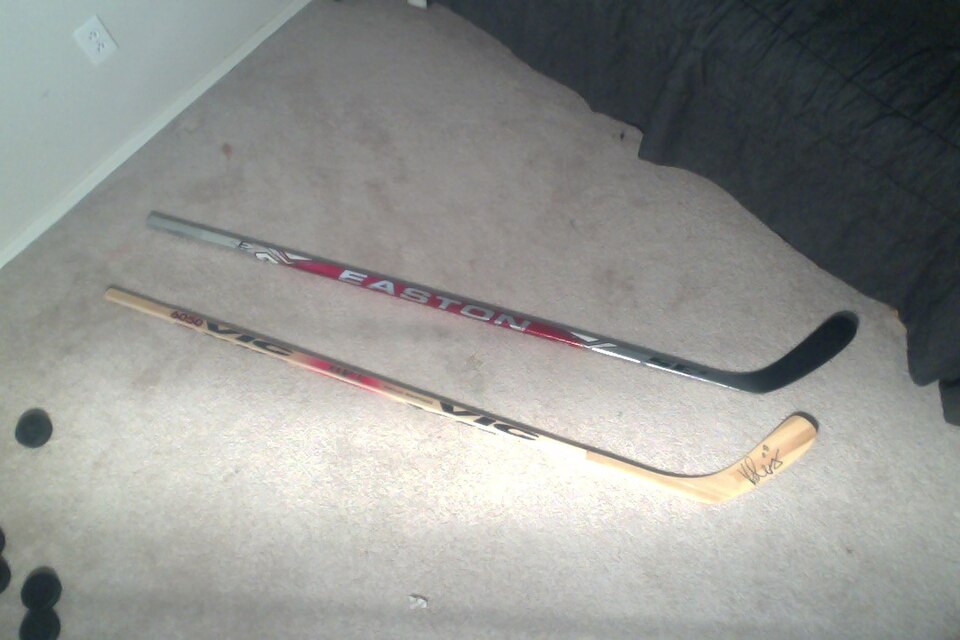
1900-1950s: Heavy Solid Wood Sticks Dominate the Game
In the early 1900s, hockey sticks were crafted entirely from solid wood, typically ash or hickory. These sticks were heavy, often weighing several pounds, and lacked the consistency and durability of modern equipment. Players had to rely on craftsmanship and natural wood grain patterns, which meant each stick performed differently. The solid wood construction made sticks prone to breaking under the force of powerful shots or hard checks. Since wood was the only available material, players had no alternatives and simply accepted the limitations of their equipment. The weight of these early sticks also affected player fatigue, as carrying extra pounds during a game significantly impacted endurance and agility.
Early wooden sticks required constant maintenance and replacement. Players would often carry multiple sticks to games, knowing that at least one would likely break during play. The manufacturing process was entirely manual, with craftsmen selecting wood pieces based on grain patterns and flexibility. This meant that high-quality sticks were expensive and not always available to amateur players. The lack of standardization meant that even sticks from the same batch could perform very differently, creating inconsistency in gameplay. Players had to develop techniques that worked with their specific stick’s characteristics rather than relying on uniform equipment performance.
1950s-1970s: Fiberglass Revolutionizes Stick Design
-
1950s breakthrough: Fiberglass was introduced as a reinforcement material for hockey sticks, marking the first major technological advancement in stick design.
-
Improved durability: Fiberglass-reinforced sticks could withstand harder shots and more physical play without breaking as frequently as wooden sticks.
-
Better performance: The composite nature of fiberglass sticks provided more consistent flex and energy transfer, allowing for harder, more accurate shots.
-
Weight reduction: Fiberglass sticks were significantly lighter than solid wood, reducing player fatigue and improving stick handling speed.
-
Foundation for future: This transition set the stage for later composite materials like carbon fiber, which would further revolutionize stick technology in the 1980s and beyond.
The fiberglass revolution changed how players approached the game. With more durable sticks, players could shoot harder without fear of equipment failure. The consistent flex patterns allowed for better puck control and more precise passing. Manufacturing became more standardized, meaning players could expect similar performance from different sticks. This reliability allowed players to develop more consistent techniques and strategies. The reduced weight also meant players could handle the puck longer during rushes and make quicker stick movements, contributing to the faster pace of modern hockey.
Protective Gear: From Minimal Padding to Modern Armor
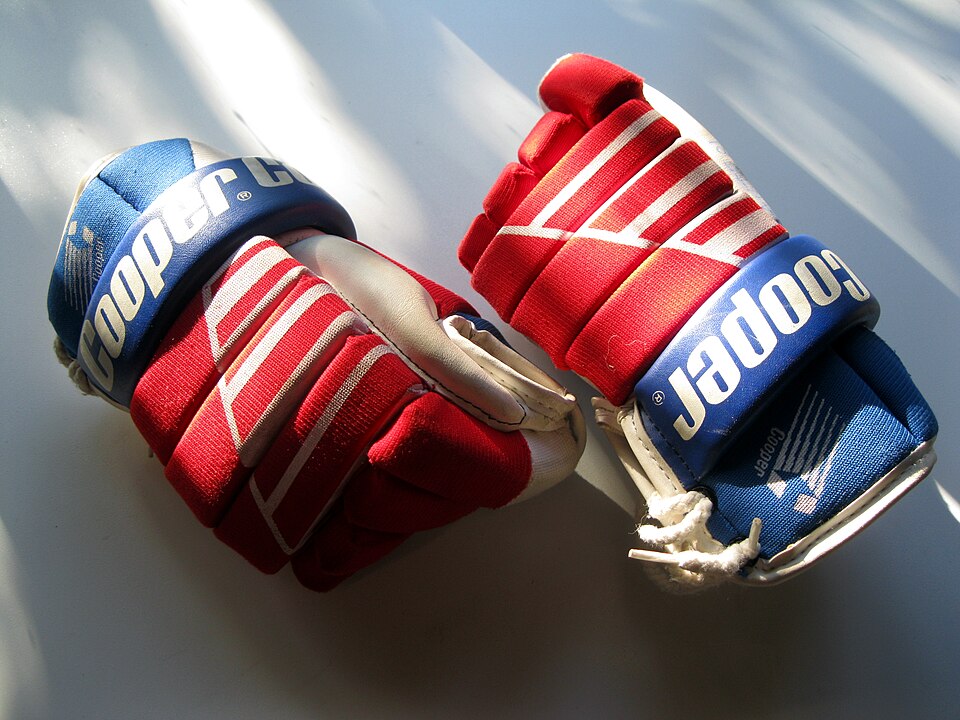
Early 1900s: Felt and Leather Protection Only
Early hockey players wore minimal protective equipment, relying primarily on thick felt and leather padding. Goalies had no specialized gear beyond basic leg protection, and players often wore simple leather gloves and felt shin pads. The equipment was bulky and heavy, offering limited protection against the physical nature of the game. Players frequently suffered injuries from sticks, pucks, and collisions, as the rudimentary padding provided minimal impact absorption. The lack of proper head protection meant concussions and facial injuries were common occurrences. Since the game was less fast-paced than today, players accepted these risks as part of the sport, and protective equipment development was minimal due to the game’s slower tempo and lower velocity impacts.
The early equipment’s limitations significantly affected how the game was played. Players had to be more cautious in physical situations, knowing that injuries were likely without proper protection. Goalies played a more passive style, staying closer to the net rather than challenging shooters, partly due to the lack of protective equipment. The heavy, restrictive gear also limited player mobility, resulting in a slower, more positional style of play. Teams relied more on strategic positioning and less on speed and agility, as the equipment made quick movements difficult and dangerous.
1930-1979: The Safety Revolution Begins
|
Year |
Innovation |
Impact |
|---|---|---|
|
1930 |
First goalie masks introduced |
Protected goalies from facial injuries and pucks traveling at high speeds |
|
1950s |
Fiberglass stick technology |
Improved durability and performance while reducing weight |
|
1960s |
Shoulder and elbow pads developed |
Added protection for upper body during physical play |
|
1970s |
Helmet designs improve |
Better head protection becomes available, though not yet mandatory |
|
1979 |
Helmets become mandatory in NHL |
League-wide adoption of head protection for all players |
The safety revolution transformed hockey from a dangerous pastime into a more sustainable professional sport. The introduction of goalie masks in 1930 was particularly significant, as goalies faced the highest risk of facial injuries from pucks traveling at high speeds. However, it took nearly 50 years for helmets to become mandatory for all players, despite the clear evidence of head injury risks. This delay reflected the sport’s culture of toughness and resistance to change. The development of plastic and foam materials in the 1960s and 1970s allowed for lighter, more effective protective gear that didn’t restrict player movement as much as earlier equipment.
Skates and Goalie Gear: Speed and Protection Combined
Skates: From Leather Boots to Synthetic Speed Machines
-
Early construction: Skates were leather boots with metal blades attached using straps or screws, offering minimal ankle support.
-
Weight issues: Heavy leather construction absorbed water during play, making skates even heavier and reducing player mobility.
-
Modern materials: Today’s skates use synthetic, rigid materials that provide superior ankle protection and maintain consistent performance.
-
Performance benefits: Modern skate designs allow for greater acceleration, tighter turns, and improved energy transfer from player to ice.
-
Customization: Contemporary skates can be heat-molded to fit individual foot shapes, improving comfort and reducing injury risk.
The evolution of skates represents one of the most significant performance improvements in hockey equipment. Early leather skates were heavy and provided minimal ankle support, leading to frequent injuries and limiting player agility. The leather would absorb water during games, becoming even heavier and more restrictive as play progressed. Modern synthetic materials solve these problems by providing rigid ankle support while remaining lightweight and water-resistant. The blade technology has also improved dramatically, with better steel quality and profiling options that allow players to customize their skating style. These improvements have enabled the faster, more dynamic style of play that characterizes modern hockey.
Goalie Equipment: From Cricket Pads to High-Tech Armor
Goalie equipment has undergone the most dramatic transformation in hockey history. In 1897, G.H. Merritt introduced simple goalie pads by wearing wicket-keeper’s cricket pads, providing minimal protection. Early goalies had no specialized masks, chest protectors, or catching gloves. The equipment was heavy and restrictive, limiting goalie mobility and reaction time. Modern goalie gear uses advanced foam materials that are lightweight yet highly protective, allowing goalies to move quickly and cover more net area. Today’s equipment includes specialized leg pads, chest protectors, catching gloves, and masks designed using impact testing and materials science. The evolution has enabled goalies to handle faster shots and make more athletic saves, fundamentally changing how the position is played.
The transformation of goalie equipment has completely changed the way the position is played. Early goalies had to rely more on positioning and less on reaction, as their equipment limited their ability to move quickly. Modern goalies can challenge shooters, make desperation saves, and cover angles that would have been impossible with older equipment. The development of catching gloves and specialized blockers has also changed how goalies handle the puck, allowing for better puck control and quicker transitions to offense. The emphasis on mobility in modern equipment has led to new styles of goaltending, such as the butterfly technique, which relies on the flexibility and protection provided by contemporary gear.
The most surprising finding in hockey equipment evolution is that helmets weren’t mandatory in the NHL until 1979, despite the introduction of goalie masks in 1930. This 49-year gap between facial protection for goalies and head protection for all players shows how slowly safety standards evolved in professional hockey. The resistance to helmet adoption, even after their availability, highlights the cultural emphasis on toughness over safety that dominated the sport for decades. Today’s mandatory equipment standards represent a complete reversal, prioritizing player safety while maintaining the game’s physical intensity through advanced materials and design.
For players looking to understand their equipment’s capabilities, start by examining the materials in your current gear. Modern hockey equipment uses composite materials, synthetic fabrics, and advanced foam technologies that provide superior protection while reducing weight. Understanding these materials helps players appreciate how far the sport has come and why modern equipment allows for faster, safer gameplay. Consider upgrading older equipment pieces, especially helmets and skates, as these have seen the most significant technological improvements in recent decades.
Frequently Asked Questions About Hockey Facts Equipment Evolution
When was hockey gear invented?
Hockey gear evolved gradually from the 1800s, with early skates using simple metal blades tied to shoes and wooden sticks. By the 1930s, the first goalie masks were introduced to protect against facial injuries from high-speed pucks, marking a major safety milestone in equipment development.
How has sport equipment changed over time?
Early hockey equipment was made from natural materials like wood and leather. The 1950s brought fiberglass stick technology, improving durability and reducing weight.
What was the first major goalie equipment innovation?
The first goalie masks were introduced in 1930, protecting goalies from facial injuries and high-speed pucks. This was a key step in the evolution of protective gear, leading to the modern armor-like equipment goalies use today.
