
Youth hockey drills should focus on maximum ball contact and basic stick handling to keep young players engaged and developing essential skills. Age-appropriate training progresses from fun, fundamental games for younger players to technical, tactical drills for older youth, with the key being to minimize standing time and incorporate games and competitions.
Key Takeaway
-
Age-appropriate drills focus on maximum ball contact and basic stick handling for younger players
-
Effective training progresses from fun games for 5-8 year olds to technical drills for 9-12 year olds
-
Key to youth engagement is minimizing standing time and incorporating games and competitions
-
Dryland training is crucial for developing agility, balance, and coordination off the field
-
Different age groups require different approaches: 3-5 min drills for 5-8 years, 5-8 min for 6-12 years, 8-12 min for 13+ years
Age-Appropriate Hockey Drills by Age Group
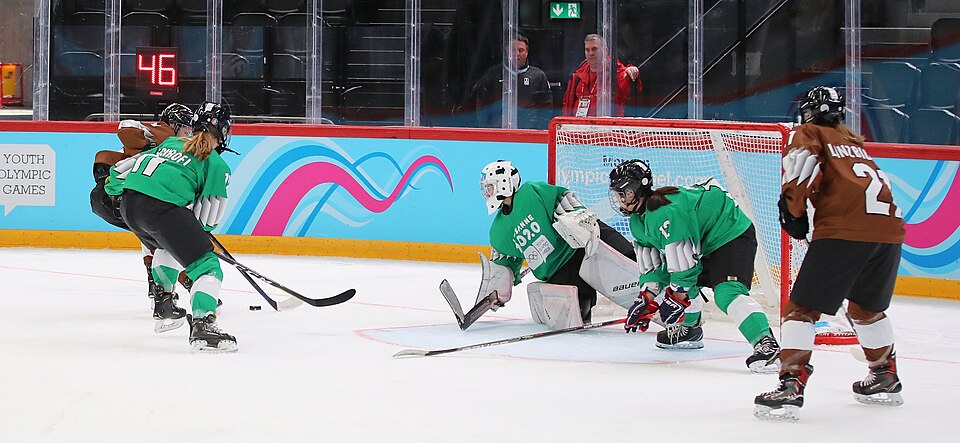
Understanding the developmental needs of different age groups is crucial for effective youth hockey training. Young players have varying attention spans, physical capabilities, and skill levels that require tailored approaches to keep them engaged and progressing. The game has evolved significantly over the centuries, and understanding its history can provide valuable context for modern training methods. Learn more about this evolution in the Evolution of Hockey: From Ancient origins to the modern game.
Drills for 5-8 Year Olds: Fundamentals and Fun
For the youngest players, drills should be short, engaging, and focus on maximum ball contact. Mini players (3–6 years old) benefit from 3-5 minute drills that keep them constantly moving. The most important thing for kids under 9 is to keep them active and minimize standing still time.
-
Sharks and Minnows: A dribbling evasion game where “sharks” try to steal balls from “minnows” as they dribble across a designated area. This teaches ball control while keeping kids constantly moving.
-
Cone Relay Races: Set up cones in a zigzag pattern and have players dribble through them as quickly as possible. Add competitive elements by timing teams or creating relay races.
-
Red Light/Green Light: Players dribble forward on “green light” and must stop immediately on “red light.” This develops control and stopping skills while being highly engaging.
-
Balloon Hockey: Use balloons instead of balls for very young players to reduce intimidation and focus on basic stick handling without the fear of missing.
-
Partner Passing: Simple back-and-forth passing with a partner, focusing on soft hands and eye contact. Keep sessions to 3-5 minutes to maintain attention.
Drills for 9-12 Year Olds: Building Technical Skills
As players mature, they can handle longer drills (5-8 minutes) and more technical challenges. This age group benefits from developing proper technique while still maintaining the fun elements that keep them engaged. Advanced stick handling becomes increasingly important at this stage, and players should focus on mastering more complex techniques. For detailed instruction on advanced techniques, see the Advanced Stick Handling Techniques for Hockey Players.
-
Figure 8 Dribbling: Set up two cones and have players dribble in a figure-8 pattern around them. This develops tight space maneuvering and ball control.
-
Minefield Shooting: Place obstacles (cones, balls) between the player and the goal. Players must navigate through while maintaining control and taking a shot. This combines agility with shooting accuracy.
-
3v3 or 4v4 Games: Small-sided games allow more touches than full-team games, giving each player more opportunities to practice skills in game-like situations.
-
Pass and Follow: Players pass to a teammate and immediately move to a new position, teaching passing with movement and spatial awareness.
-
Shooting Circuits: Set up multiple shooting stations with different angles and distances. Players rotate through, getting many repetitions in a short time.
Essential Field Hockey Skills for Youth Development

Mastering fundamental skills is the foundation for all hockey development. These core competencies build confidence and create the technical base needed for more advanced play as players progress through their hockey journey.
Fundamental Skills Every Young Player Should Master
Every young hockey player needs to develop a core set of fundamental skills that form the building blocks of the game. These skills should be practiced regularly and mastered before moving on to more complex techniques. Proper equipment is essential for developing these skills, and choosing the right gear can make a significant difference in a young player’s development. For recommendations on selecting the best equipment, check out the Best Hockey Sticks 2026: Professional Reviews and Buying Guide.
-
First Touch: Great first touch and move the ball in the direction of where space is available. This skill is crucial for maintaining possession under pressure and creating attacking opportunities.
-
Leading: Great skill to have when trying to get into a good position on the field. Teaching young players to make intelligent runs creates space and opens passing lanes for teammates.
-
Passing: Essential for team play and ball movement. Young players should practice various passing techniques including push passes, slap passes, and aerial passes as they develop.
-
Hit: Basic striking technique for power and accuracy. This fundamental skill allows players to distribute the ball over longer distances and create scoring opportunities.
-
Flat Stick Tackle: Defensive fundamentals for ball recovery. Teaching proper tackling technique helps players win back possession safely and effectively.
Dryland Training: Off-Field Development for Youth
Dryland training provides crucial off-field development that complements on-field skills. Research shows that dryland drills can be more beneficial for a child’s development than organized team practices alone, focusing on agility, balance, and coordination. Off-season training is particularly important for building strength and endurance that translates to better on-field performance. For comprehensive off-season training programs, check out the Off-Season Hockey Training: Building Strength and endurance.
Off-field training allows young athletes to develop physical attributes that directly translate to better on-field performance. These exercises can be done at home or in local parks, making them accessible for all players regardless of their team’s resources.
Key dryland exercises for youth hockey players include:
-
Agility Ladder Drills: Improve footwork, coordination, and quick directional changes essential for evading opponents.
-
Balance Exercises: Single-leg stands, wobble board training, and stability ball work enhance core strength and body control.
-
Speed and Conditioning: Short sprints, shuttle runs, and interval training build the explosive speed needed in hockey.
-
Strength Training: Bodyweight exercises like squats, lunges, and push-ups develop the strength needed for physical play.
-
Flexibility Work: Regular stretching prevents injuries and improves range of motion for better stick handling.
Making Youth Hockey Drills Fun and Engaging
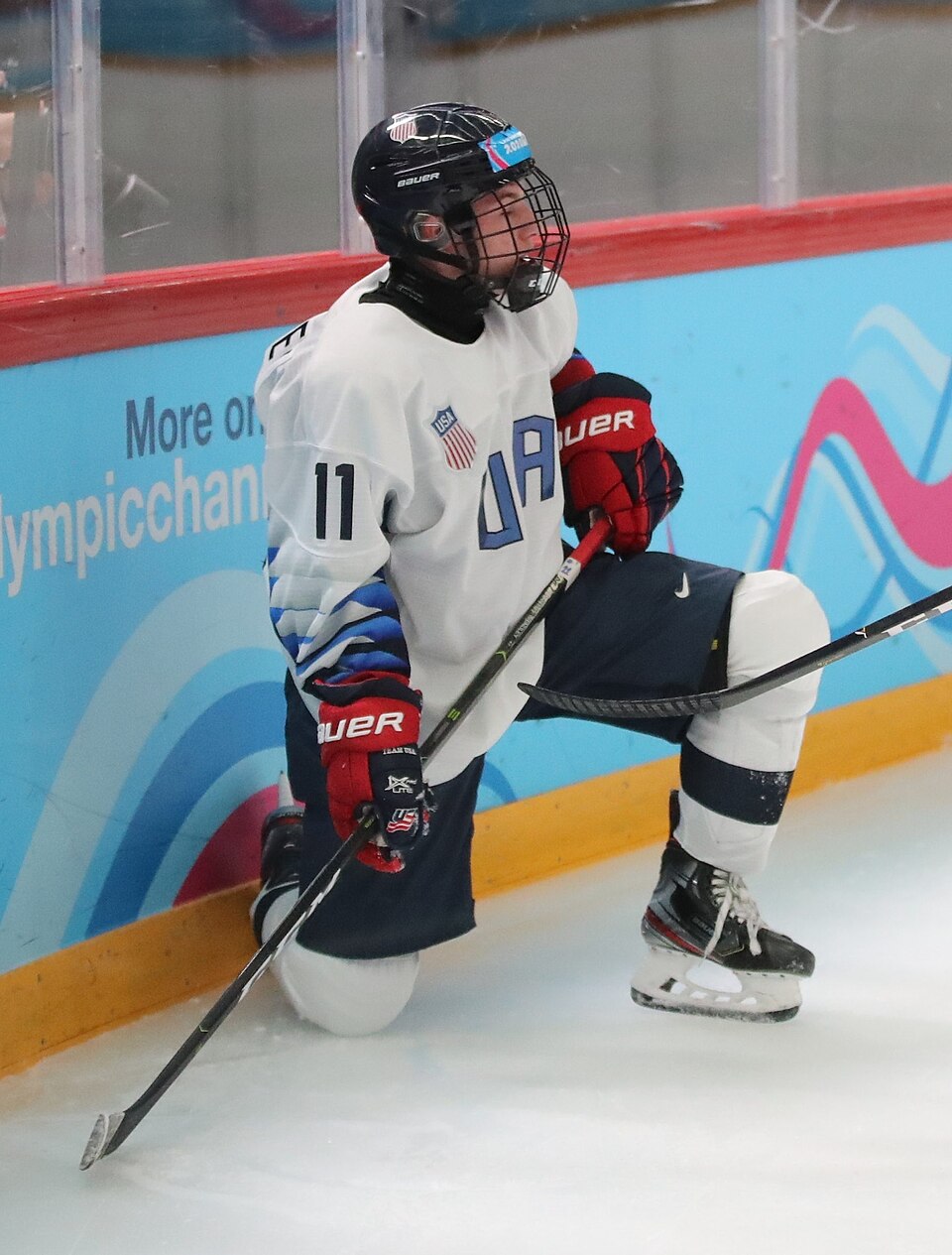
Keeping young players engaged during practice is essential for their development and continued interest in the sport. The most effective drills disguise skill development within games and competitive activities that naturally motivate children to participate fully.
Game-Based Drills That Keep Kids Active
Game-based drills transform traditional skill practice into exciting activities that children naturally enjoy. These approaches maximize participation while developing the same technical skills as more conventional drills.
-
Small-Sided Games: 3v3 or 4v4 games allow more touches than full-team games, giving each player more opportunities to practice skills in game-like situations.
-
Cone Relay Races with Competitive Elements: Add scoring systems or team competitions to basic agility drills to increase engagement and effort levels.
-
Sharks and Minnows Variations: Create different versions with specific skill focuses, such as only using reverse stick or requiring certain passes before scoring.
-
Red Light/Green Light with Skill Challenges: Add requirements like “only use your reverse stick” or “must complete a 360 turn” to increase complexity.
-
Capture the Flag Hockey: Teams compete to capture a flag while maintaining possession, combining strategy with skill development.
Structuring Effective Practice Sessions
Well-structured practice sessions maximize learning while maintaining energy levels throughout the training period. Understanding optimal drill timing and progression helps coaches create more effective training environments.
Teen/Intermediate Players (13-17 years old) can handle 8-12 minute drills, allowing for more complex skill development and tactical understanding. For younger groups, shorter 3-5 minute stations work better to maintain focus and energy.
Effective practice planning includes:
-
Skill Stations: Set up multiple stations focusing on different skills, allowing players to rotate through and get many repetitions in a short time.
-
Progressive Difficulty: Start with basic skills and gradually increase complexity as players demonstrate competence.
-
Active Rest Periods: Keep players moving even during breaks with light activities or skill challenges.
-
1v1 Sideline Channeling: Defensive positioning drills where players practice channeling opponents along sidelines, developing tactical awareness.
-
Intensity Building: Use drills to create game-like intensity, preparing players for competitive situations.
The most surprising finding in youth hockey development is that dryland training often produces better results than on-field practice alone. Many successful programs now dedicate 40-50% of training time to off-field development, recognizing that physical literacy and fundamental movement skills transfer directly to improved on-field performance. For more information on recent changes, see the 2026 Hockey Rules Updates: What players need to know.
Start implementing these age-appropriate drills today by selecting three activities from the 5-8 year old section and running 3-5 minute stations. This simple approach will immediately improve engagement while building the fundamental skills young players need for long-term success in hockey.
Frequently Asked Questions About Hockey Drills For Youth
What are some drills for hockey youth players?
Key drills include Figure 8 Dribbling, 3v3 or 4v4 Games, and 1v1 Sideline Channeling. These drills help develop essential skills like stickhandling, teamwork, and defensive positioning in a fun, age-appropriate way. Passing is a fundamental skill that requires dedicated practice to develop team chemistry and accuracy. For specific passing drills, check out the Hockey Passing Drills: Building Team chemistry and accuracy.
How can youth hockey drills be made fun and engaging?
Making drills fun involves using games like 3v3 or 4v4, incorporating challenges like Figure 8 Dribbling, and keeping activities fast-paced. Around 50% of youth drills should focus on game-like scenarios to maintain engagement. Understanding offensive tactics and power play strategies can also enhance the effectiveness of these drills. For more information on offensive tactics, see the Power Play Strategies: Offensive Tactics for Hockey Teams.
What are the essential skills youth hockey players should develop?
Youth players should focus on stickhandling, passing, receiving, and defensive skills. Drills like Figure 8 Dribbling and 1v1 Sideline Channeling help build these fundamentals while improving agility and game awareness.
