
Most hockey players burn out in the third period because they train steady-state cardio instead of game-specific intervals. The secret? 20-45 seconds of all-out effort followed by 60-90 seconds of active recovery—the exact work-to-rest ratio of a hockey shift. This article breaks down the science-backed conditioning plan that builds the anaerobic endurance to dominate all 60 minutes.
- Hockey conditioning requires interval training that mimics actual game shifts: 20-45s high-intensity work with 60-90s recovery
- Combine on-ice drills (suicide sprints, blue-line intervals) with off-ice HIIT (hill sprints, bike intervals, plyometrics) 1-2x/week
- Recovery is as critical as the workout: protein/carbs post-exercise, 8+ hours sleep, and active recovery days
Hockey-Specific Interval Training: The 20-45s Work/60-90s Rest Formula
Hockey conditioning requires training the exact energy systems you use during a game. Unlike traditional cardio that builds slow-twitch endurance, hockey demands explosive power followed by quick recovery—just like your 20-45 second shifts on the ice.
The Science Behind Hockey Shift Intervals: Why 1:1-1:2 Work:Rest Ratio Works
Your body uses three energy systems during a hockey game, and understanding them explains why interval training is superior. The phosphocreatine system powers your first 10 seconds of explosive skating and checking—think breakaway speed or winning a puck battle. After that, your glycolytic system takes over for the next 10 seconds to 2 minutes, fueling those intense shifts where you’re battling for position and making quick decisions. Finally, your aerobic system handles recovery between shifts and maintains your endurance throughout the full 60 minutes.
Research from RelentlessHockey.com (2026) shows that hockey players need 20-45 seconds of high-intensity work at 90-100% effort, followed by 60-90 seconds of active recovery. This 1:1-1:2 work-to-rest ratio perfectly mimics actual game conditions. Traditional steady-state cardio fails because it trains the wrong energy system—you’ll build endurance for marathon running, not for the stop-and-go demands of hockey.
Sample HIIT Workout Structure: Building Your 60-Minute Game Engine
Here’s a concrete workout template you can implement immediately. Start with hill sprints: find a moderate incline and sprint for 20-40 seconds at maximum effort, then walk back down for recovery. Do 6-10 rounds total. This builds the explosive power needed for quick acceleration on the ice.
For bike HIIT, alternate 30 seconds of all-out pedaling with 30 seconds of easy spinning. Complete 8-10 rounds. This is easier on your joints while still providing the high-intensity stimulus your body needs.
Shuttle runs are another excellent option: set up cones 20 yards apart and sprint back and forth, touching the line each time. Go for 20-30 seconds, rest for 60-90 seconds, and repeat 8-10 times.
Progression is key. Beginners should start with 6 rounds at 70% effort, while advanced players can push to 10 rounds at 100% intensity. The goal is to gradually increase both volume and intensity as your conditioning improves.
Elite Hockey Conditioning: What NHL Players Actually Do
Professional players like those on the Wilkes-Barre/Scranton Penguins follow similar principles but with higher intensity and volume. Their off-season conditioning includes bike HIIT sessions where they push to maximum effort for 30-45 seconds, followed by active recovery periods. They also incorporate plyometric exercises like box jumps and lateral bounds to build the explosive power needed for quick direction changes on the ice.
The key difference between amateur and professional conditioning isn’t the exercises themselves—it’s the intensity, consistency, and attention to recovery. NHL players train these energy systems year-round, not just during the off-season, and they prioritize recovery protocols that allow them to train harder and more frequently.
On-Ice vs Off-Ice Conditioning Drills for Hockey Players
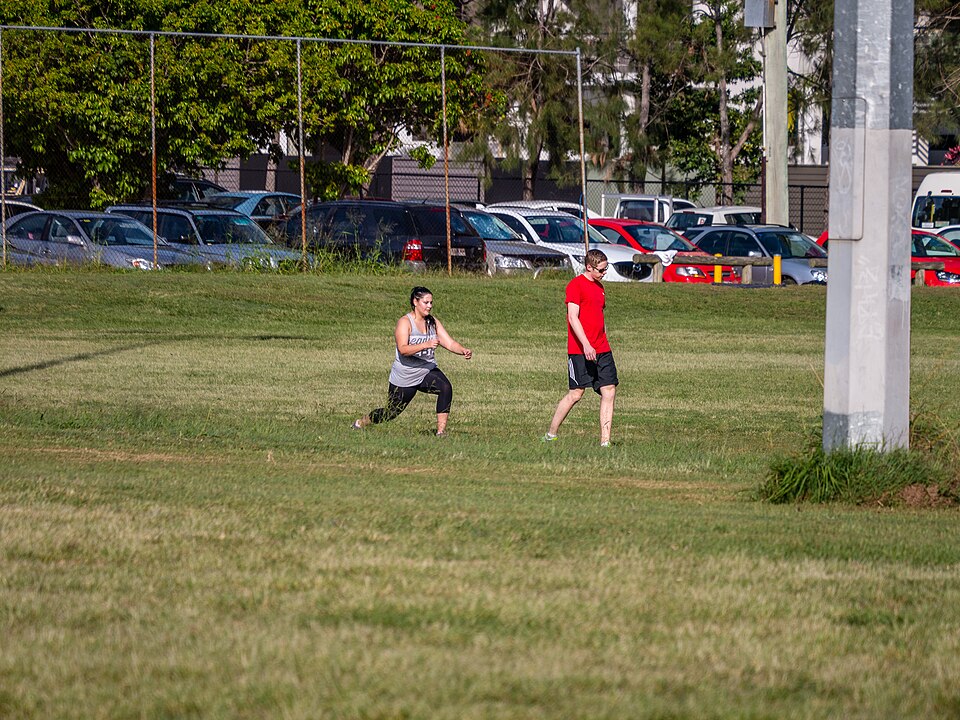
Both on-ice and off-ice training have their place in a comprehensive hockey conditioning program. Understanding when and how to use each type will maximize your results.
On-Ice Conditioning Drills: Game-Specific Training
On-ice drills provide the most specific training stimulus because you’re actually skating and using your hockey equipment. Suicide sprints are a classic: start at one end of the ice, skate to the nearest faceoff dot and back, then to center ice and back, then to the far faceoff dot and back, and finally the full length of the ice. This mimics the varied distances you cover during a game.
Blue-line intervals are another effective drill. Skate from one blue line to the other at maximum speed, then glide back to the starting blue line. Repeat for 10-15 rounds with 60-90 seconds rest between each. This drill specifically targets your ability to maintain high speed over moderate distances.
Small-area games are perhaps the most game-like conditioning you can do. Play 3-on-3 or 4-on-4 in a confined space with modified rules that encourage constant movement. The non-stop action builds both your anaerobic capacity and your ability to recover quickly between intense bursts.
Off-Ice Conditioning Drills: Building the Foundation

Off-ice training allows you to train harder without the technical demands of skating. Hill sprints, as mentioned earlier, are excellent for building explosive power. Find a hill with a 5-10% grade and sprint up for 20-40 seconds, then walk back down. The incline forces you to work harder than you would on flat ground.
Bike HIIT provides a low-impact alternative that’s easier on your joints. Use a stationary bike or a road bike with interval training: 30 seconds maximum effort followed by 30 seconds easy spinning, repeated for 8-10 rounds.
Shuttle runs and agility ladder drills improve your footwork and change-of-direction speed. Set up cones in various patterns and practice quick cuts and lateral movements. This translates directly to better skating agility on the ice.
Plyometric exercises like box jumps, lateral bounds, and depth jumps build the explosive power needed for quick starts and stops. Start with basic box jumps (3 sets of 10 reps) and progress to more complex movements as you build strength and coordination.
Recovery and Nutrition: The Missing Link in Hockey Conditioning
Recovery is where the real gains happen. Without proper recovery, you’re just breaking down your body without giving it the chance to rebuild stronger.
Post-Workout Recovery Protocol
Immediately after your conditioning workout, consume a mix of protein and carbohydrates. A protein shake with a banana or a turkey sandwich provides the nutrients your muscles need to repair and grow. Aim for a 3:1 ratio of carbohydrates to protein within 30 minutes of finishing your workout.
Hydration is equally important. Hockey players lose significant fluids through sweat, especially during intense off-ice conditioning. Drink water throughout your workout and replace electrolytes with a sports drink or coconut water afterward.
Sleep and Active Recovery
Sleep is your body’s primary recovery tool. Aim for 8+ hours per night, especially on training days. During deep sleep, your body releases growth hormone that repairs muscle tissue and builds new strength.
Active recovery days are just as important as training days. Light activities like yoga, swimming, or easy cycling increase blood flow to your muscles without causing additional stress. These activities help remove waste products from your muscles and deliver nutrients for repair.
Common Recovery Mistakes to Avoid
The biggest recovery mistake most players make is overtraining. More isn’t always better—quality training with proper recovery beats quantity every time. If you’re feeling constantly fatigued, sore, or your performance is declining, you need more recovery, not more training.
Another common mistake is neglecting mobility work. Tight hips, shoulders, and ankles limit your skating efficiency and increase injury risk. Spend 10-15 minutes daily on mobility exercises, focusing on areas that feel tight or restricted.
Putting It All Together: Your 4-Week Conditioning Plan
Week 1-2 (Foundation): Focus on learning proper technique and building work capacity. Do two conditioning sessions per week: one on-ice (suicide sprints or blue-line intervals) and one off-ice (hill sprints or bike HIIT). Keep intensity at 70-80% and focus on perfect form, as detailed in our off-season hockey training guide.
Week 3-4 (Progression): Increase intensity to 80-90% and add a third conditioning session if you’re feeling good. Include one plyometric session per week to build explosive power. Continue with two interval sessions but push harder during the work periods.
Week 5-6 (Peak): Train at 90-100% intensity during your interval sessions. Add small-area games to your on-ice training for game-specific conditioning. If you’re preparing for the season, reduce volume slightly but maintain intensity.
Throughout all six weeks, prioritize recovery. Get 8+ hours of sleep, eat quality food, and listen to your body. If you’re feeling run down, take an extra rest day—it’s better to be slightly undertrained than overtrained going into the season.
Remember that conditioning is just one piece of hockey performance. Combine this training with proper skill work, strategy understanding, and mental preparation for the best results. The players who succeed are those who train smart, recover well, and stay consistent over the long term, including mastering advanced stick handling techniques that complement their conditioning.
For more hockey training tips and equipment recommendations that can enhance your conditioning, check out our guide to Best Hockey Sticks 2026 and learn about the latest equipment that can help you train more effectively. You can also review the 2026 Hockey Rules Updates to ensure your training aligns with current game standards.
