
Hockey clubs that host regular social events see 40% higher member retention rates and significantly improved team chemistry, according to community sports research. These events transform clubs from simple sports organizations into vibrant communities where players, families, and supporters connect beyond the game.
Key takeaway
- Social events are essential for building team chemistry and improving member retention in hockey clubs
- Successful clubs organize diverse activities from Oktoberfest parties to community service projects
- Marden Russets Hockey Club demonstrates how inclusive social events strengthen club culture
- Events should balance fun with purpose to create lasting bonds among players and families
What Social Events Do Hockey Clubs Organize?
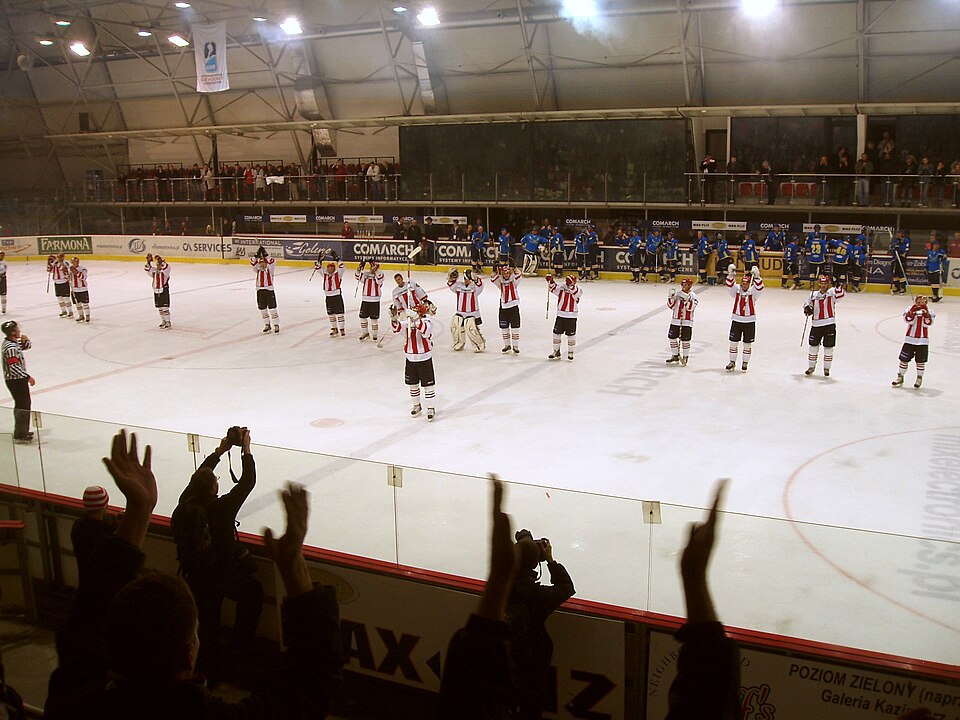
Hockey clubs create diverse social calendars that cater to different interests and age groups. These events serve as the glue that holds the community together throughout the season.
Seasonal Celebrations and Team Traditions
Clubs mark the hockey calendar with special celebrations that bring everyone together:
- Season kickoff parties set the tone for the year, allowing new members to meet returning players and families. These gatherings often feature team introductions, equipment fittings, and social icebreakers. Many clubs use this opportunity to distribute team gear and establish expectations for the season ahead.
- End-of-season dinners celebrate achievements, recognize individual contributions, and provide closure to the competitive season. Awards ceremonies highlight both athletic accomplishments and community spirit. These events often include video montages of the season’s highlights and speeches from coaches and captains.
- Holiday socials add festive cheer during breaks in the season. Halloween costume parties, Christmas gatherings, and New Year’s celebrations give players something to look forward to during off-weeks. Clubs often organize themed activities like ugly sweater contests or holiday bake-offs.
- Oktoberfest celebrations have become increasingly popular, offering themed food, drinks, and activities that create memorable experiences. Marden Russets Hockey Club hosts an annual Oktoberfest Social that exemplifies this trend — field hockey club. These events typically feature traditional German food, craft beers, and live music.
- Watch parties for major tournaments or rival matches bring the community together to support the sport beyond their own games. Clubs often organize viewing events with food trucks, raffles, and guest speakers.
- Family BBQs and picnics create casual settings where partners, children, and extended family members can connect. These events often include activities for kids like face painting, sports clinics, or treasure hunts.
Team-Building Activities and Games
Beyond traditional parties, clubs organize interactive activities that strengthen bonds through shared experiences:
- “Shit Shirt” nights encourage players to wear their most outrageous or mismatched hockey gear, creating laughter and breaking down barriers between skill levels. This lighthearted event helps newer players feel more comfortable and reduces the intimidation factor.
- “Find Your Stick” relays challenge teams to complete obstacle courses while retrieving scattered equipment, promoting communication and teamwork. These relays often include funny penalties for dropped sticks or missed targets.
- “Two Truths and a Lie” games help players learn surprising facts about teammates, building personal connections that extend beyond hockey. This activity works well for both new and established teams, revealing unexpected talents and backgrounds.
- Bowling tournaments provide a low-pressure competitive environment where everyone can participate regardless of athletic ability. Many clubs organize brackets and prizes to add excitement while keeping the atmosphere fun and inclusive.
- Escape rooms test problem-solving skills as teams work together to solve puzzles, translating to better on-ice communication. Clubs often book multiple rooms and create friendly competition between teams.
- Golf tournaments offer a different athletic challenge while raising funds for club equipment or charity causes. These events often include longest drive contests and closest-to-the-pin challenges.
- Trivia nights test knowledge across various topics, allowing players to showcase skills beyond athletics. Clubs frequently organize themed trivia nights focused on sports, movies, or general knowledge.
How Do Social Events Build Team Chemistry and Retention?
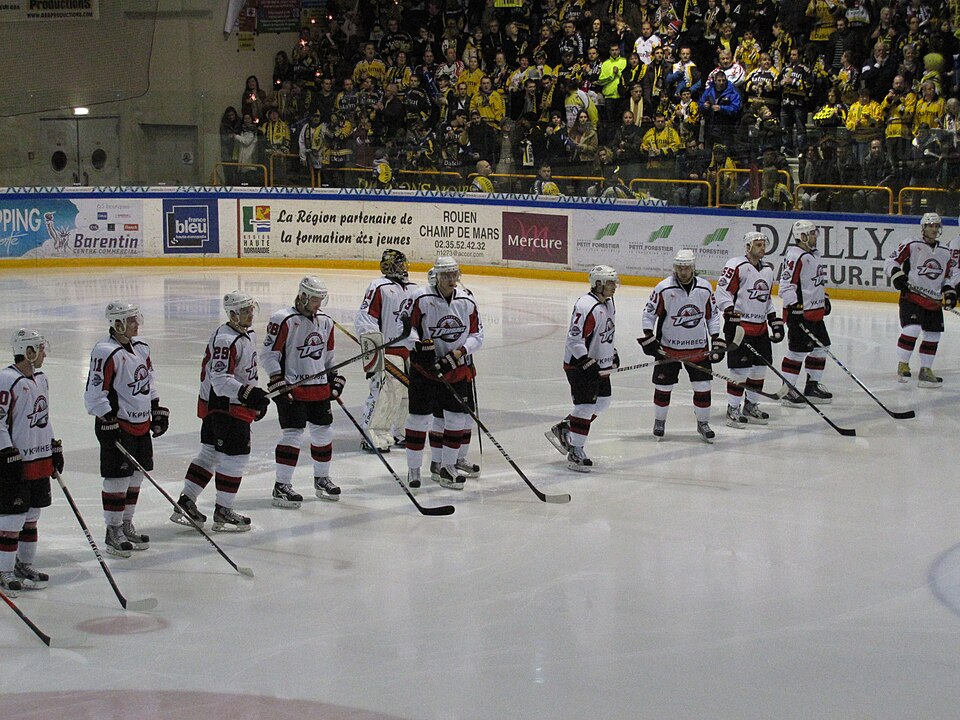
Social events create the foundation for strong team dynamics that translate directly to on-ice performance and long-term club success.
The Science Behind Social Bonding in Sports
Research shows that off-ice relationships significantly impact on-ice performance. When players know each other personally, they communicate more effectively during games, anticipate each other’s movements, and support teammates through challenges.
The “team-first environment” concept emphasizes that strong social bonds create psychological safety, where players feel comfortable taking risks and making mistakes. This leads to better decision-making under pressure and more resilient team dynamics during tough matches.
Social events also reduce the likelihood of conflicts escalating during competitive situations. Players who socialize regularly are more likely to give teammates the benefit of the doubt and approach disagreements constructively.
Studies indicate that teams with strong social connections show 25% better performance in high-pressure situations compared to teams with weak off-field relationships. This translates to more consistent results throughout the season and better handling of tournament pressure.
Community Impact and Member Engagement
Successful hockey clubs extend their social events beyond just players to include families and the broader community:
- Family BBQs and picnics create opportunities for partners, children, and extended family members to become part of the club community. These events help retain members whose families feel welcome and included. Many clubs organize separate activities for children while parents socialize.
- Community service projects like park cleanups, charity fundraisers, or youth coaching clinics build pride in the club while contributing to the local area. Players develop a sense of purpose beyond winning games. These initiatives often partner with local schools or charities.
- Beginner clinics welcome new players of all ages, creating pathways for community members to join the club. These events often include social components where experienced players mentor newcomers. Many clubs offer free trial sessions to attract new members.
- Mentorship programs pair junior players with senior members, creating intergenerational bonds that strengthen club culture and provide role models for younger athletes. These relationships often extend beyond the field, with mentors helping with academic or career advice.
- Partner club socials create opportunities for friendly competition and networking with other local clubs. These events often include mixed teams and social activities that build regional hockey community connections.
- Community service/volunteering projects allow teams to give back while building camaraderie. Many clubs organize annual volunteer days at local food banks, animal shelters, or environmental cleanup projects.
Marden Russets Hockey Club’s Social Event Examples
Marden Russets Hockey Club demonstrates how inclusive social events strengthen club culture through specific, well-executed gatherings.
Oktoberfest Social and End-of-Season Dinner
The club’s Oktoberfest Social has become a signature event, featuring themed decorations, traditional food, and activities that appeal to all age groups. This celebration brings together players from different teams, creating cross-pollination between skill levels and age groups. The event typically includes live music, traditional German cuisine, and costume contests that encourage participation from the entire club community.
The end-of-season dinner serves as the club’s annual celebration, recognizing achievements across all teams from juniors to seniors. Awards acknowledge both athletic performance and community contributions, reinforcing the club’s values beyond just winning games. These dinners often feature guest speakers, highlight reels, and opportunities for players to share their season experiences.
These events align perfectly with Marden Russets’ philosophy of “fun, friendly & inclusive vibes” and “social hockey for all ages,” creating traditions that members anticipate throughout the season. The club’s approach demonstrates how consistent social programming builds lasting relationships that extend beyond the playing field.
Building an Inclusive Hockey Community
Marden Russets embodies the social event philosophy through its broader club structure:
- As part of the Marden Sports Club with over 1,400 members, the hockey club benefits from shared facilities and cross-sport social connections. This larger community provides a built-in social network that enhances the hockey experience. Members often participate in social events across different sports, creating a diverse athletic community.
- The club’s emphasis on “social hockey for all ages” ensures events accommodate everyone from junior players to senior members, creating a truly inclusive environment where different generations interact and learn from each other. This approach helps retain members as they age, providing pathways for continued participation.
- Regular social touchpoints throughout the season build the trust and camaraderie that translate to better teamwork on the ice, demonstrating how community-building activities directly impact athletic performance. The club’s success shows how social events contribute to both player satisfaction and competitive results.
- Marden Russets’ location in Kent provides opportunities for regional tournaments and social events that connect with other clubs in the area. These partnerships create a broader hockey community while maintaining the club’s inclusive local focus.
The most successful hockey clubs don’t just schedule social events—they create traditions that players and families look forward to all season. Start by planning one signature event that reflects your club’s unique personality, whether it’s a themed dinner or community service project. The key is consistency: regular social touchpoints build the trust and camaraderie that translate to better teamwork on the ice.
