
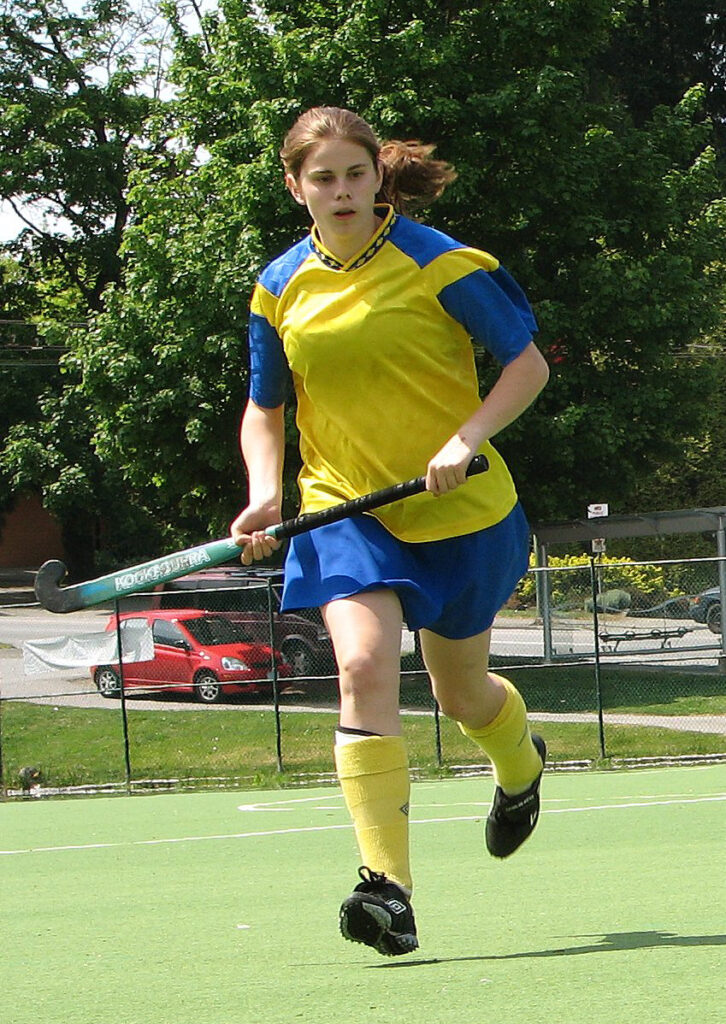
Field hockey is a fast-paced team sport played by two teams of eleven players—ten field players and one goalkeeper—who work together in structured, yet fluid, systems to control the ball, defend their goal, and score. Players specialize in specific roles, though modern field hockey requires all team members to understand both attacking and defensive principles. The sport demands exceptional teamwork, communication, and versatility, as players must constantly transition between offensive and defensive responsibilities throughout the 70-minute match duration. Understanding the hockey history helps appreciate how field hockey positions have evolved from ancient stick-and-ball games to the sophisticated tactical systems used today.
Key Takeaway
- Field hockey teams have 11 players: 10 field players and 1 goalkeeper working in structured, fluid systems
- Four main positions: goalkeeper, defenders, midfielders, and forwards each have specific roles and responsibilities
- Modern field hockey requires all players to understand both attacking and defensive principles
Field Hockey Positions Explained: The Complete Breakdown
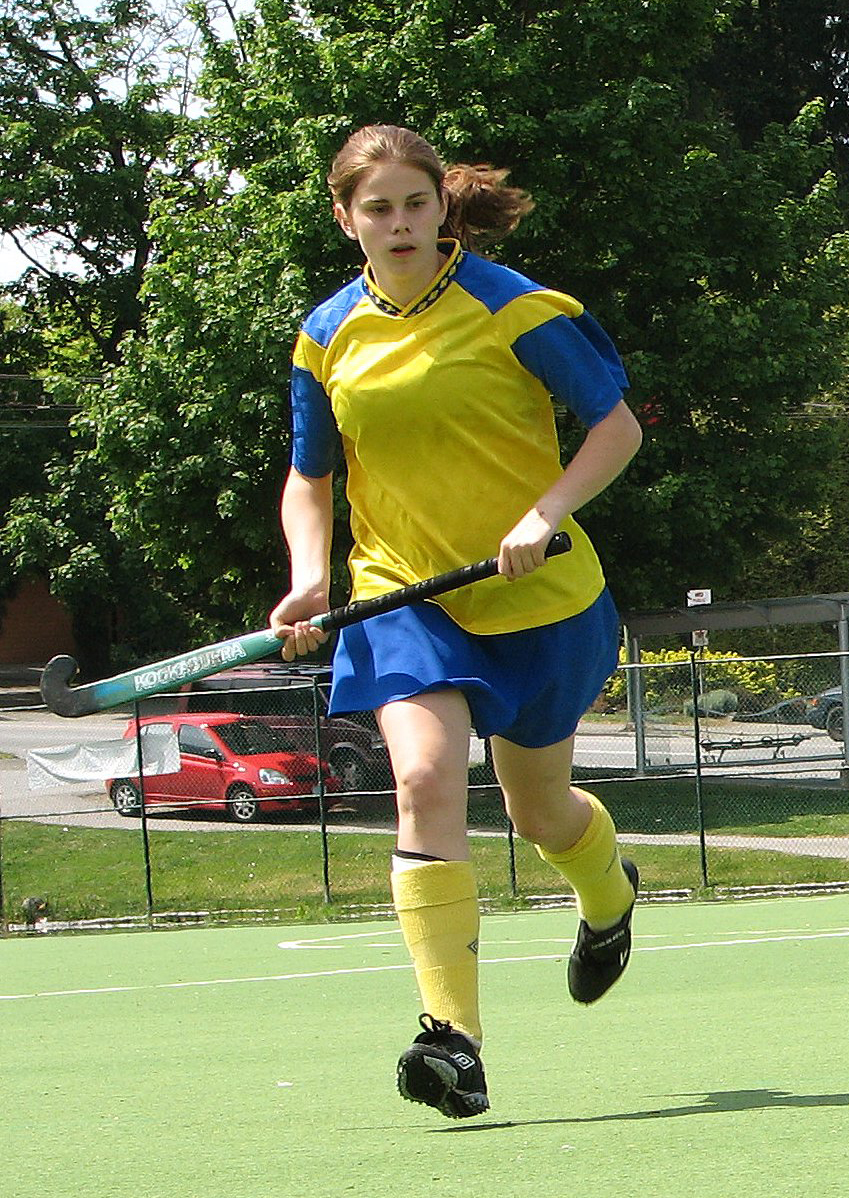
Goalkeeper: The Last Line of Defense
The goalkeeper is the only player allowed to touch the ball with their body, but must remain within the scoring circle to use body to stop ball. This specialized position requires high-level reflexes, agility, composure, and strong communication skills. Goalkeepers protect the goal cage, block powerful shots, clear rebounds, and command the “D” (shooting circle). They wear specialized equipment including helmets, leg guards, and kickers, and use a longer, wider stick designed to withstand powerful shots. The goalkeeper’s role is crucial as they serve as the last line of defense and coordinate the defensive unit. According to field hockey regulations, goalkeepers must maintain constant awareness of their positioning relative to the scoring circle, as stepping outside while using their body to stop the ball results in a penalty. Modern goalkeepers also act as playmakers, initiating counterattacks by distributing the ball quickly to midfielders or forwards after making a save. For the latest updates on field hockey regulations, including goalkeeper-specific rules, check the 2026 Hockey Rules Updates to stay current with rule changes.
Defenders: Protecting the Goal and Starting Attacks
- Positions: Usually four defenders including left/right halfbacks and fullbacks. The defensive line typically includes two center-backs, two fullbacks, and sometimes a sweeper playing behind the main defensive line
- Key responsibilities: Tackling opponents, marking attackers, clearing ball upfield to midfielders, intercepting passes, and maintaining defensive shape. Defenders must also execute penalty corners and free hits from the defensive zone
- Skills: Strong tackling ability, positioning, composure under pressure, passing accuracy, and decision-making. Defenders need excellent spatial awareness to anticipate opponent movements and cut off passing lanes
- Sweeper role: Sometimes a coach uses a specific defender, known as a “sweeper,” who plays directly in front of the goal, behind other defenders to clean up any balls that pass through. The sweeper acts as a safety net, covering for mistakes by other defenders and clearing loose balls from dangerous areas
Midfielders and Forwards: The Engine and Attackers
Midfielders: The Team’s Engine and Link
- Positions: Typically three midfielders: center-half and two inner midfielders. Some formations use four midfielders with two central and two wide players, depending on tactical approach
- Key responsibilities: Transitioning ball from defense to attack, controlling tempo of the game, covering both defensive and offensive duties, winning 50-50 balls, and maintaining possession under pressure. Midfielders must constantly move to create passing options and support both defensive and attacking phases
- Skills: High stamina (due to running entire pitch), exceptional passing accuracy, vision, all-around stick work, tactical awareness, and endurance. Modern midfielders need to be complete athletes capable of sprinting, changing direction quickly, and maintaining performance for the full match duration
- Role: Act as the link between defensive line and forwards, serving as the team’s engine. Midfielders dictate the pace of play, control possession, and create scoring opportunities through intelligent movement and precise passing. They must read the game effectively to know when to press defensively and when to support attacking plays
Forwards: Scoring Goals and Pressuring Defense
- Positions: Typically center forward and left/right wings. Some formations use two center forwards or three forwards across the front line, with the wings providing width and the center forward operating in central attacking positions
- Key responsibilities: Scoring goals, pressing opposition to win ball back early, creating space for teammates, holding up play when receiving the ball, and making intelligent runs behind the defensive line. Forwards must constantly work to disrupt the opponent’s defensive organization
- Skills: High-speed, agility, precise stickwork, composure inside scoring circle, finishing ability, and tactical intelligence. Forwards need exceptional first touch to control difficult passes and the ability to make split-second decisions in front of goal
- Role: Primary scorers who pressure opponent’s defense and lead attacking plays. Forwards must work in combination with each other, creating passing triangles and exploiting defensive weaknesses through quick, one-touch passing sequences
Common Formations and Team Strategies
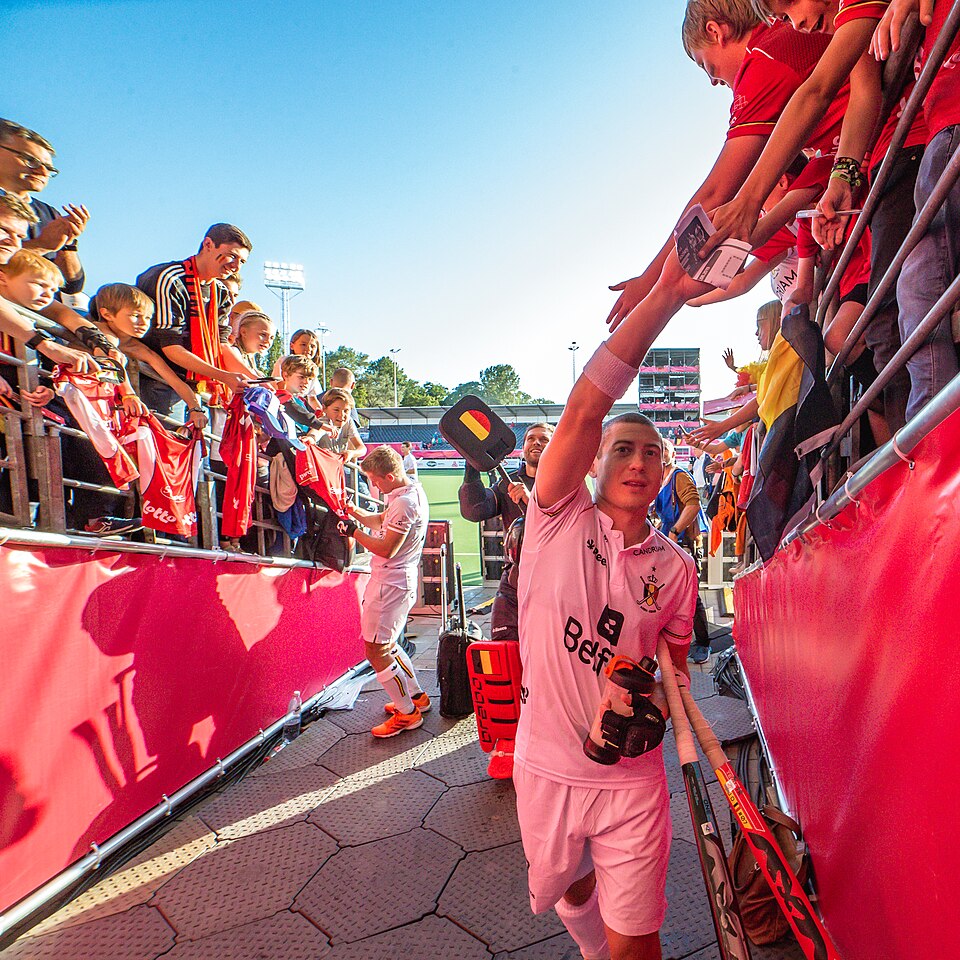
Popular Field Hockey Formations
| Formation | Structure | Best Used For | Key Characteristics |
|---|---|---|---|
| 4-3-3 | 4 defenders, 3 midfielders, 3 forwards plus goalie | Balanced attack and defense | Provides width in attack, solid defensive coverage, and numerical advantage in midfield battles |
| 5-3-2 | 5 defenders, 3 midfielders, 2 forwards plus goalie | More defensive stability | Extra defender provides security against strong attacking teams, allows midfielders more freedom to attack |
| 3-4-3 | 3 defenders, 4 midfielders, 3 forwards plus goalie | Attacking dominance | Overloads midfield to control possession, creates multiple attacking options, but leaves defense vulnerable to counterattacks |
| 4-4-2 | 4 defenders, 4 midfielders, 2 forwards plus goalie | Traditional balance | Classic formation providing stability, clear defensive structure, and two dedicated strikers |
The Fluid Nature of Modern Field Hockey
Modern field hockey relies on all team members understanding attacking and defensive principles, regardless of assigned position. Players often specialize in specific roles, though the system remains fluid. Regardless of assigned position, all players are expected to contribute to both defense and attack to succeed in a match. This fluid approach means defenders may join attacks, midfielders cover both ends of the field, and forwards help press defensively. The game’s fast-paced nature requires players to be versatile and understand their teammates’ roles. According to modern tactical analysis, successful teams demonstrate positional interchangeability, where players can seamlessly switch roles based on game situations. For example, when a team wins possession, defenders immediately become support attackers, midfielders push forward to create numerical advantages, and forwards drop deeper to receive the ball and maintain possession. This dynamic movement creates confusion for opponents and opens up attacking opportunities through positional overloads in different areas of the field. Developing Advanced Stick Handling Techniques for Hockey players is crucial for executing these fluid positional changes effectively.
The most surprising aspect of field hockey positions is how the traditional boundaries between roles have blurred in modern play. What makes this sport unique is that success depends not just on individual position mastery, but on every player’s ability to adapt and support both offensive and defensive phases of the game. To improve your understanding of field hockey positions, watch professional matches and observe how players transition between roles, or visit Marden Russets Hockey Club to see these positions in action during local matches. The club offers training sessions where players of all levels can learn proper positioning, develop positional awareness, and understand how different roles contribute to team success. Whether you’re a beginner learning basic positioning or an experienced player looking to refine your tactical understanding, understanding field hockey positions is essential for developing complete game intelligence and becoming a valuable team member. Regular hockey drills can help players master their positional responsibilities and improve team chemistry.
Frequently Asked Questions About Field Hockey Guide Positions
What are the 11 positions in field hockey?
The 11 positions in field hockey are: 1 goalkeeper, 4 defenders, 3 midfielders, and 3 forwards. The forwards are the primary attackers who score goals, midfielders are versatile players who both defend and attack, defenders protect the goal area, and the goalkeeper is the last line of defense.
What is the hardest position to play in field hockey?
The hardest position in field hockey is midfield. Midfielders must be able to shoot, tackle, mark, dribble, pass, and read the play accurately. They are the multi-tasking runners who connect defense and attack, making it the most demanding role in modern field hockey. The physical demands of midfield require exceptional endurance and strength, which can be developed through proper hockey training programs designed specifically for midfielders.
Where do you put your weakest player in field hockey?
The weakest player is often placed on the right side of the field, either as a defender or midfielder, since most players are right-handed and use their forehand techniques more effectively.
What are the roles of each hockey position?
In field hockey, the goalkeeper defends the goal, defenders protect the defensive area, midfielders link defense and attack by running across the field, and forwards focus on scoring goals. Understanding these basic roles is essential for implementing effective team strategies, including Power Play Strategies: Offensive Tactics that can create scoring opportunities during critical moments of the game.
