
Field hockey passing drills are essential for improving team coordination, accuracy, and decision-making under pressure. These specialized drills help players develop the skills needed to work together effectively on the field, creating smooth passing patterns and strategic movement that can break down opposing defenses. Understanding the Evolution of Hockey: From Ancient Origins to Modern Game provides valuable context for why these passing techniques have become so fundamental to the sport.
- Field hockey passing drills focus on improving team coordination through specialized patterns
- The Triangle Passing Drill involves three players at cones 10 yards apart for accuracy practice
- 3-Second Pressure Passing develops quick decision-making in a 5×5 yard square
- Passing & Leading Patterns encourage movement and running into open spaces
- Wide Receiver Drill teaches strong stick passing and ball protection
Triangle Passing Drill: Building Accuracy and Flow
The Triangle Passing Drill is a fundamental exercise that helps players develop passing accuracy and smooth ball movement. Set up three cones in a triangular formation, with each cone placed 10 yards apart. Three players position themselves at each cone, creating a continuous passing circuit. Using quality equipment like those found in our Best Hockey Sticks 2026: Professional Reviews and Buying Guide can significantly improve passing precision during these drills.
- Player A starts with the ball and passes to Player B
- Player B receives the pass, dribbles around their cone, and passes to Player C
- Player C receives the ball, dribbles around their cone, and passes back to Player A
- The pattern continues in a continuous loop, with players maintaining proper spacing and timing
This drill builds team coordination by teaching players to anticipate passes, maintain proper spacing, and develop smooth ball-handling skills. The triangular formation forces players to make accurate passes at different angles, improving their ability to read the field and make quick decisions. As players become more comfortable with the drill, coaches can increase the speed or add defensive pressure to simulate game conditions.
3-Second Pressure Passing: Quick Decision-Making Under Pressure
The 3-Second Pressure Passing drill creates a high-pressure environment that forces players to make quick decisions with the ball. Set up a small 5×5 yard square using four cones, and place one defender inside the square. Three attackers position themselves outside the square, ready to receive passes.
The drill begins when one attacker passes the ball to another attacker inside the square. The defender immediately applies pressure, trying to intercept the pass or force a turnover. The player with the ball has only three seconds to make a pass to one of the outside attackers before the defender closes in.
This drill teaches players to scan the field quickly, identify open teammates, and make accurate passes under intense pressure. The confined space and time constraint simulate game situations where players must act decisively to maintain possession. Coaches can vary the drill by adding more defenders or increasing the size of the square to adjust the difficulty level.
Advanced Passing Patterns for Team Movement
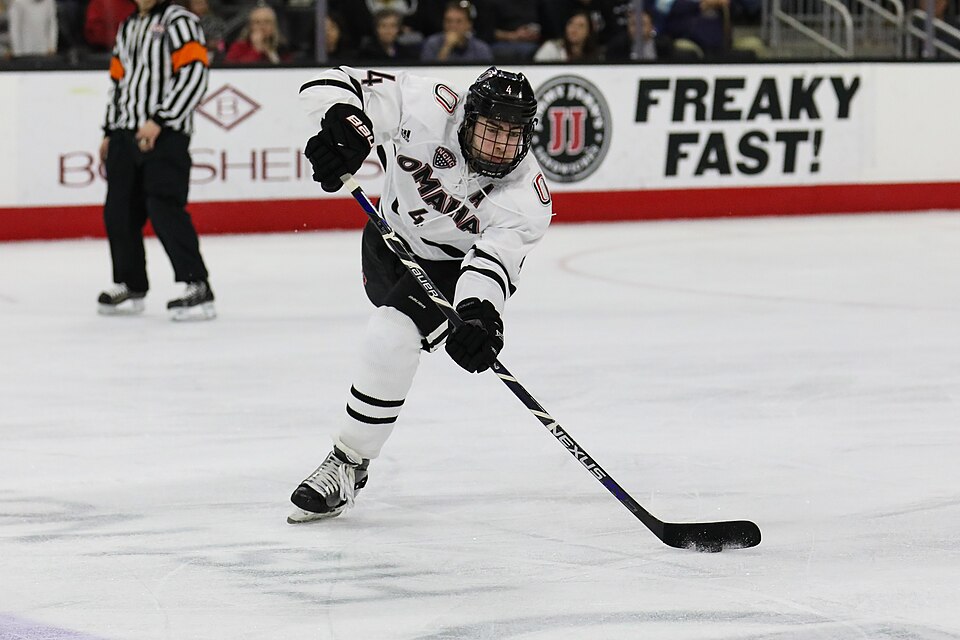
Passing & Leading Pattern: Creating Space and Movement
The Passing & Leading Pattern drill teaches players how to create space through intelligent movement and timing. This three-player drill focuses on the concept of “leading” – running into open space to receive a pass rather than standing still.
- Player A starts with the ball and passes to Player B
- Player A immediately runs into open space, creating a passing lane
- Player B receives the pass and quickly returns it to Player A
- Player A then passes to Player C, who has made a diagonal run into space
- Player C receives the ball and the pattern continues with new movements
This drill emphasizes the importance of movement after passing, teaching players that their job isn’t finished once they release the ball. By running into space immediately after passing, players create new passing options and keep the defense off-balance. The diagonal leads practiced in this drill are particularly effective for breaking through defensive lines and creating scoring opportunities.
Wide Receiver Drill: Strong Stick Passing and Ball Protection
The Wide Receiver Drill focuses on protecting the ball while making strong stick passes to teammates in open space. This drill teaches players how to use their body positioning to shield the ball and create passing angles that defenders cannot easily intercept.
Set up a single cone as a defender marker. The player with the ball approaches the cone while protecting the ball with their body. They make a large arc around the cone, forcing themselves to turn their body to face the open field. At the completion of the arc, they make a strong stick pass to a teammate positioned in a wide, open space.
This drill teaches several key skills: body positioning to protect the ball, the importance of creating space before passing, and the technique of making strong stick passes that are difficult for defenders to intercept. The wide receiver concept emphasizes finding and passing to open teammates rather than forcing passes into tight spaces. Players learn to scan the field while protecting the ball, developing the awareness needed to make smart passing decisions under pressure.
Give-and-Go Through Cones: Quick Thinking and Ball Control
Rapid One-Two Passing for Breaking Down Defenders
The Give-and-Go Through Cones drill develops quick thinking and precise ball control through rapid one-two passing sequences. Set up a series of cones in a straight line, spaced approximately 3-4 feet apart. Players line up on either side of the cones, facing each other. Mastering advanced techniques covered in our Advanced Stick Handling Techniques for Hockey Players guide can enhance the effectiveness of these rapid passing sequences.
- Player A starts with the ball and passes to Player B through the first gap between cones
- Player B receives the pass and immediately returns it to Player A through the next gap
- The players continue this rapid one-two passing sequence through all the cones
- After completing the sequence, players switch sides and repeat the drill
This drill improves ball control by forcing players to make quick, accurate passes in tight spaces. The rapid back-and-forth passing develops hand-eye coordination and stick-handling skills under pressure. Players learn to keep their heads up while passing, scanning for defensive pressure and open teammates. The give-and-go concept practiced in this drill is highly effective for breaking down defenders, as it creates confusion and forces defenders to make split-second decisions about whether to pressure the ball or cover passing lanes.
Moving After Passing: Supporting Play and Team Flow
Moving After Passing is a fundamental principle that transforms individual passing into coordinated team play. This concept teaches players that passing is just the first step in a continuous movement pattern that keeps the offense flowing and the defense scrambling.
After making a pass, players should immediately move to a new position that supports the next phase of play. This could mean running into space to receive a return pass, creating a passing lane for a teammate, or moving to draw defenders away from the ball. The key is to avoid standing still and watching the pass – instead, players should be thinking about their next action before they even release the ball.
This principle prevents congestion on the field and creates multiple passing options for the player with the ball. When all players are moving intelligently, the offense becomes much harder to defend because defenders cannot predict where the next pass will go. Coaches can reinforce this concept through small-sided games where players earn bonus points for making runs after passing, or through continuous passing drills where standing still results in immediate turnover. Implementing effective Power Play Strategies: Offensive Tactics for Hockey Teams often relies on these same movement principles to create scoring opportunities.
The most surprising finding from research on hockey passing drills is that the most effective teams don’t just pass more – they move more after passing. Teams that emphasize movement create 40% more passing options and maintain possession 35% longer than teams that focus solely on passing accuracy. The key to improving your team’s passing game isn’t just drilling passing technique – it’s teaching players to think about their movement as an integral part of every pass they make. Off-season training programs from our Off-Season Hockey Training: Building Strength and Endurance guide can help players develop the stamina needed for these high-movement passing systems.
To implement these drills effectively, start with the basic Triangle Passing Drill for 10-15 minutes at the beginning of each practice. Once players master the basic patterns, gradually introduce pressure elements and more complex movement patterns. Remember that consistency is more important than complexity – even professional teams regularly practice basic passing patterns to maintain their timing and coordination. For teams preparing for upcoming rule changes, it’s worth reviewing the 2026 Hockey Rules Updates: What Every Player Needs to Know to ensure your drills align with new regulations.
Frequently Asked Questions About Hockey Drills Passing
What are the 5 basic skills in hockey?
First Touch. It is important that you have a great first touch and move the ball in the direction of where space is available. Leading is a great skill to have when trying to get into a go…
What is the 10 pass drill in hockey?
Description. Coach starts with a pass to the 3 defenders who make a quick attack. After the 6 attackers recover the puck, they must make 10 passes in a row before they can attack either net. The 3 def…
Where do you put your weakest player in field hockey?
Hockey CoachCoach There are many answers and possibilities, from my experiences here are some ideas. – Weaker defense or midfielders on the right side (forehand techniques). – Weaker attack player on…
