
Selecting the perfect field hockey stick for 2026 requires understanding the intricate relationship between your physical attributes, skill level, and playing position. Modern hockey stick technology has evolved dramatically, offering specialized configurations that can enhance specific aspects of your game, from powerful hitting to advanced 3D skills and precise control. The right stick can significantly impact your performance, confidence, and overall enjoyment of the sport. For those interested in the sport’s background, the hockey history spans thousands of years from ancient stick-and-ball games to today’s high-tech equipment.
Key Takeaway
- Field hockey sticks range from 24 to 38.5 inches in length, with the correct size reaching your hip bone when standing upright
- Carbon content determines stick stiffness: 0-20% for beginners, 20-50% for intermediate, 50-100% for advanced players
- Bow shape affects play style: regular (20-22mm) for all-around play, control (22-23mm) for enhanced skills, low (24-25mm) for advanced techniques
How to Size Your Hockey Stick Correctly
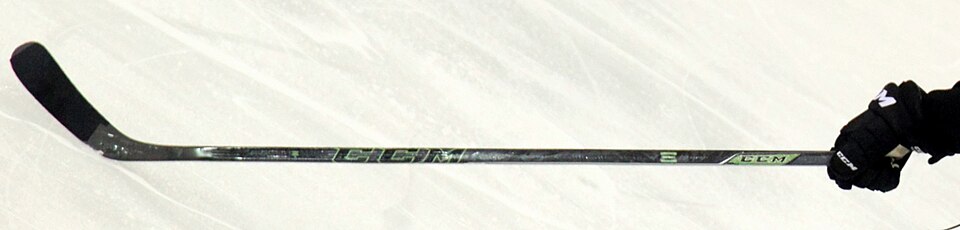
Measuring Stick Length by Height
- Measurement Method: Place the stick head on the ground beside your foot. The top of the handle should reach the top of your hip bone when standing upright in shoes. This measurement provides the optimal starting point for most players.
- Too Long: A stick that is too long restricts movement and makes proper technique difficult. Players with sticks that are too long often develop poor habits like reaching instead of moving their feet.
- Too Short: A stick that is too short may force you to bend over too much, causing back pain and poor posture. This can lead to chronic back issues and reduced playing time.
- Sizes: Typically range from 28 to 38.5 inches, with intermediate players (10-13 years old) often using 34–36 inch sticks. Adult sticks commonly range from 35 to 38 inches.
The correct stick length ensures optimal playing posture and technique. A stick that’s too long forces players to reach awkwardly, reducing control and increasing fatigue. Conversely, a stick that’s too short causes players to hunch over, leading to poor form and potential back strain. The hip bone measurement provides a reliable starting point for most players, though individual preferences may vary slightly based on playing style and position.
Height-based sizing charts provide general guidelines, but they’re not absolute. A 5’8″ player might prefer a 36.5-inch stick for better control, while another might choose a 37.5-inch stick for additional reach. The key is finding what feels comfortable and allows you to maintain proper technique throughout the game. Many players experiment with different lengths before settling on their ideal size.
Position-Specific Length Considerations
- Defensive Players: Often prefer longer sticks (37-38 inches) for increased reach when tackling and intercepting passes. The additional length provides a defensive advantage in blocking shots and covering ground.
- Midfielders: Typically choose medium-length sticks (36-37 inches) for balanced reach and control. This versatility allows them to contribute effectively in both offensive and defensive situations.
- Forward Players: Generally prefer shorter sticks (35-36 inches) for superior control during dribbling and quick stick handling. The reduced length enhances maneuverability in tight spaces near the goal.
- Goalkeepers: Use specialized sticks designed for blocking and clearing, typically shorter and wider than field player sticks.
Position-based length preferences reflect the different demands of each role on the field. Defenders need to cover more ground and make longer passes, making the extra reach valuable. Forwards operate in confined spaces where quick stick movements and close ball control are essential, favoring shorter sticks. Midfielders require a balance of both attributes, making medium-length sticks their optimal choice.
Understanding Hockey Stick Materials and Stiffness
Carbon Content by Skill Level
| Carbon Content | Skill Level | Performance Characteristics | Ideal For |
|---|---|---|---|
| 0–20% | Beginner/Junior | Better control, comfort, and shock absorption. Fiberglass or low carbon sticks ideal for learning fundamentals. | New players learning basic skills and techniques |
| 20–50% | Intermediate | Balanced power and control for developing skills. Provides moderate power while maintaining forgiveness. | Players improving their game and developing consistency |
| 50–100% | Advanced/Elite | Maximum power and rigidity for powerful hits and faster ball speed. Requires higher skill to control rebound. | Experienced players demanding peak performance |
Carbon content directly correlates with stick stiffness and power output. Lower carbon percentages provide more flexibility and shock absorption, making them ideal for beginners who need forgiveness while learning proper technique. As players advance, higher carbon content delivers increased power and ball speed, though it demands better control skills. Elite players often choose 90%+ carbon sticks for maximum performance, accepting the reduced forgiveness in exchange for superior power and responsiveness.
The stiffness of a hockey stick affects how it feels during play and how much power you can generate. Softer sticks absorb more impact, making them easier to control but reducing power transfer. Stiffer sticks provide better energy transfer for powerful hits but require more precise technique to maintain accuracy. The right stiffness level depends on your strength, skill level, and playing style.
Material Composition and Performance
- Carbon Fiber: Provides maximum stiffness and power, ideal for advanced players who can control high-performance sticks. Carbon sticks offer excellent energy transfer and durability.
- Fiberglass: Offers good flexibility and shock absorption, making it perfect for beginners and intermediate players. Fiberglass provides a softer feel and more forgiving performance.
- Aramid/Kevlar: Adds durability and vibration dampening to sticks, often used in combination with carbon or fiberglass. These materials enhance stick longevity and comfort.
- Wood: Traditional material offering excellent feel and control, though less common in modern high-performance sticks. Wood sticks provide a classic playing experience and are often used for training.
Modern hockey sticks typically combine multiple materials to achieve specific performance characteristics. A common construction might include a carbon fiber core for stiffness, fiberglass layers for comfort, and aramid reinforcements for durability. This hybrid approach allows manufacturers to fine-tune the stick’s feel, power, and longevity to suit different player needs and preferences. Understanding these materials is essential for proper stick selection. Players can also improve their on-field performance through hockey drills that develop essential skills regardless of equipment choice.
Choosing the Right Bow Shape for Your Position
Bow Types and Their Playing Advantages
- Regular/Standard Bow (20-22mm): Good all-arounders, ideal for beginners, defenders, and midfielders for consistent hitting and stopping. The uniform curve provides reliable performance across all aspects of the game.
- Control/Mid Bow (22-23mm): The curve is closer to the toe, aiding in control and making 3D skills (aerials) easier. This shape enhances ball handling and aerial passing capabilities.
- Low/Late Bow (24-25mm): The bow is concentrated near the bottom, maximizing drag flicking, 3D skills, and aerials. Preferred by elite forwards and midfielders who specialize in advanced techniques.
Bow shape significantly impacts playing style and skill execution. Regular bows offer consistent performance across all aspects of the game, making them perfect for beginners and defensive players who prioritize reliability. Control bows enhance ball handling and aerial skills, benefiting midfielders who need versatility. Low bows maximize advanced techniques like drag flicking and aerial passing, making them the choice for elite forwards and specialized players. The right bow shape complements your playing position and skill development goals. Players looking to master these techniques should study Advanced Stick Handling Techniques for hockey players to maximize their equipment’s potential.
Advanced Bow Technologies
- Extreme Low Bow: Features a 24.75mm bow positioned 200mm from the head, designed for elite players focusing on drag flicking and aerial skills. This extreme shape maximizes 3D capabilities.
- Pro Bow: Combines elements of control and low bows, offering enhanced skills while maintaining some hitting power. Popular among advanced players seeking versatility.
- Classic Bow: Traditional straight design with minimal curve, preferred by some defenders for consistent hitting and stopping. Offers reliable performance for fundamental skills.
- Custom Bows: Some manufacturers offer position-specific bows tailored to particular playing styles and techniques. These specialized shapes optimize performance for specific roles.
Modern bow technology has expanded beyond basic shapes to include specialized designs that cater to specific playing styles and techniques. The evolution of bow shapes reflects the increasing sophistication of field hockey, where players demand equipment that enhances their particular strengths. Whether you’re a drag flicker, aerial specialist, or all-around player, there’s a bow shape designed to complement your game.
Is It Better to Have a Longer or Shorter Field Hockey Stick?
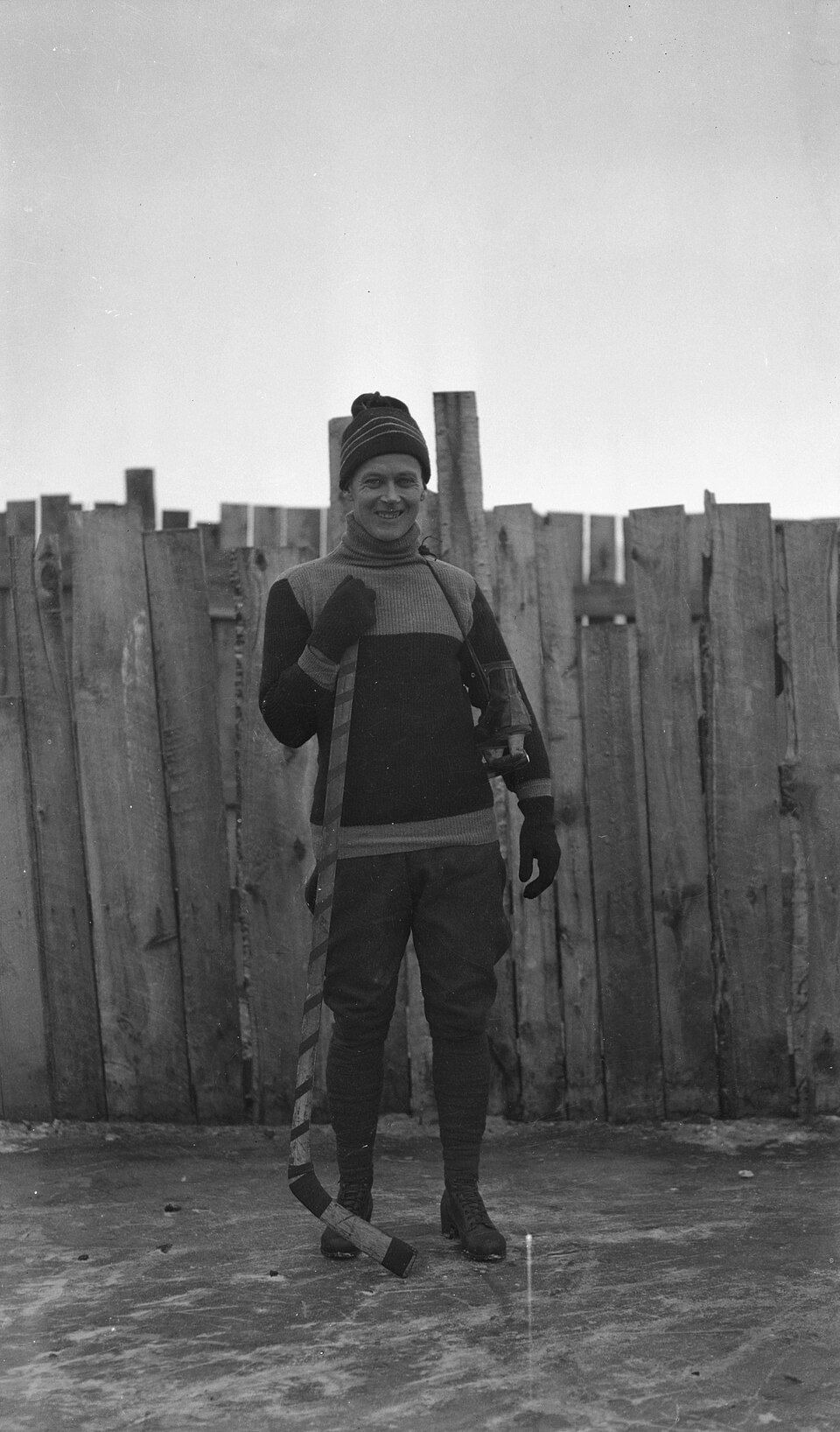
Position-Based Length Considerations
A longer stick is often used by defensive or midfield players to increase the distance they can reach to hit the ball, while shorter sticks can be a benefit to offensive players, offering better control and overall handling of the ball. Defensive players typically prefer longer sticks for extended reach when tackling and intercepting passes. The additional length provides a defensive advantage in blocking shots and covering ground. Offensive players, however, benefit from shorter sticks that offer superior control for dribbling, quick stick handling, and precise shooting in tight spaces. The optimal length ultimately depends on your playing position and personal preference, with many players experimenting to find their ideal balance between reach and control. Teams can further enhance their offensive capabilities by studying Power Play Strategies: Offensive Tactics for hockey teams.
Skill Level and Length Considerations
- Beginners: Should start with standard-length sticks (36-37 inches) to develop proper technique. Starting with the correct length helps establish good habits and prevents the development of compensating movements.
- Intermediate Players: Can experiment with slightly longer or shorter sticks based on their preferred playing style. This is the stage where players often discover their length preferences.
- Advanced Players: Often have strong preferences based on years of experience. Many elite players use non-standard lengths that complement their specific techniques and physical attributes.
- Youth Players: Should use age-appropriate lengths that allow for proper development without straining growing bodies. Youth sticks are proportionally designed for younger players.
The relationship between skill level and stick length is crucial for proper development. Beginners need standard lengths to learn correct techniques, while advanced players can optimize their equipment based on experience. Youth players require special consideration, as using adult-sized sticks can hinder their development and potentially cause injury. The progression from youth to adult sticks should be gradual, allowing players to adapt to increasing lengths as they grow and improve.
Physical Attributes and Length Selection
- Height: Taller players generally benefit from longer sticks, while shorter players often prefer shorter sticks for better control and comfort.
- Arm Length: Players with longer arms may prefer slightly longer sticks to maximize their natural reach advantage.
- Strength: Stronger players can handle longer, heavier sticks more effectively, while less strong players might prefer shorter, lighter options.
- Flexibility: More flexible players might prefer shorter sticks for better maneuverability, while less flexible players might benefit from longer sticks that reduce bending.
Physical attributes play a significant role in determining the optimal stick length. Height is the most obvious factor, but arm length, strength, and flexibility also influence what feels comfortable and performs best. A player’s physical build should guide their stick selection, ensuring that the equipment complements their natural attributes rather than working against them. This personalized approach to stick selection can significantly enhance performance and reduce the risk of injury.
For more information about hockey rules and regulations, check out our comprehensive guide to 2026 hockey rules updates. You can also explore our professional reviews of the best hockey sticks for 2026 to find top-performing models that match your skill level and playing style. Additionally, players should consider hockey training programs to complement their equipment choices with proper physical preparation.
The most surprising finding is that stick selection involves far more than just picking a brand or color. The combination of length, carbon content, and bow shape creates thousands of possible configurations, each optimized for different playing styles. Your ideal stick depends on your specific needs rather than general recommendations. Start with the basic guidelines above, then experiment with different configurations to discover what works best for your game. Visit Marden Russets Hockey Club to test various stick options and get personalized recommendations from experienced players.
Frequently Asked Questions About Hockey Equipment Sticks
Is it better to have a longer or shorter field hockey stick?
A longer stick (20-22mm bow) offers better reach for defensive or midfield players, while shorter sticks provide more control for offensive players. The bow shape and length should match your position and skill level, with beginners often benefiting from more forgiving mid-bow designs (22-23mm).
What carbon content should a beginner use in a hockey stick?
Beginners should use sticks with 0–20% carbon content. These sticks, often made with fiberglass or low carbon, provide better control, comfort, and shock absorption—ideal for learning fundamentals without sacrificing forgiveness.
What carbon content do advanced players use for maximum power?
Advanced/elite players use sticks with 50–100% carbon content. These high-carbon sticks deliver maximum power and rigidity for powerful hits and faster ball speed, though they require higher skill to control rebound and maintain accuracy.
