
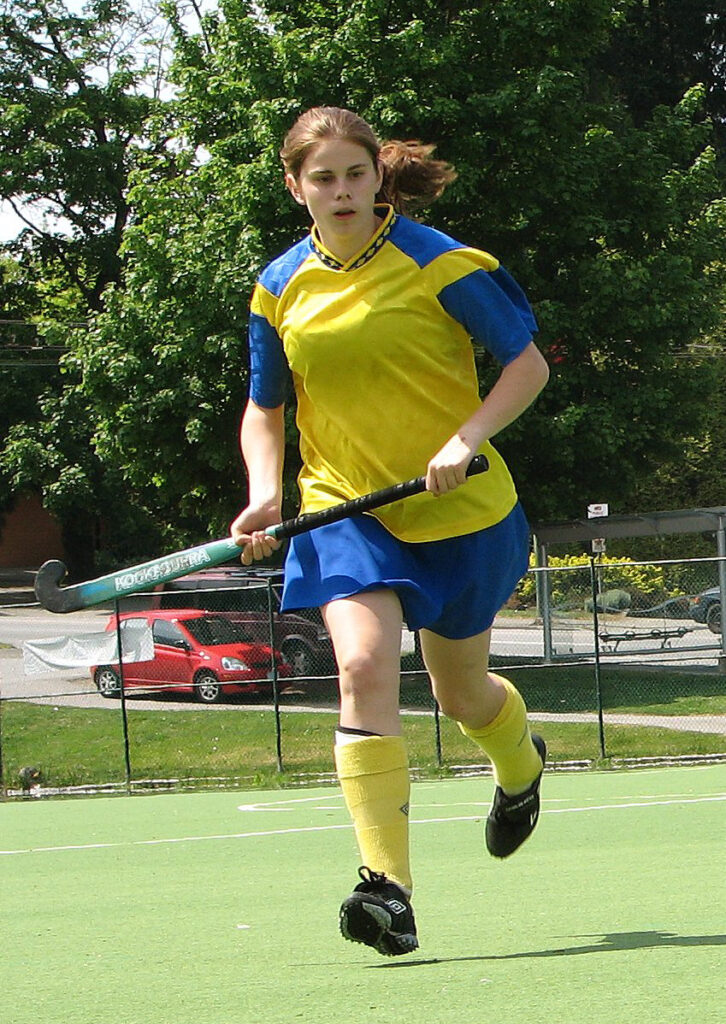
Field hockey teams have 11 players total with four main position categories designed to balance offense and defense. Each position has specific roles with goalkeepers as last line of defense, and common formations include 4-3-3 and 3-4-3 setups.
Key Takeaway
- Field hockey teams have 11 players total with four main position categories
- Each position has specific roles with goalkeepers as last line of defense
- Common formations include 4-3-3 and 3-4-3 setups
The Four Main Field Hockey Positions Explained
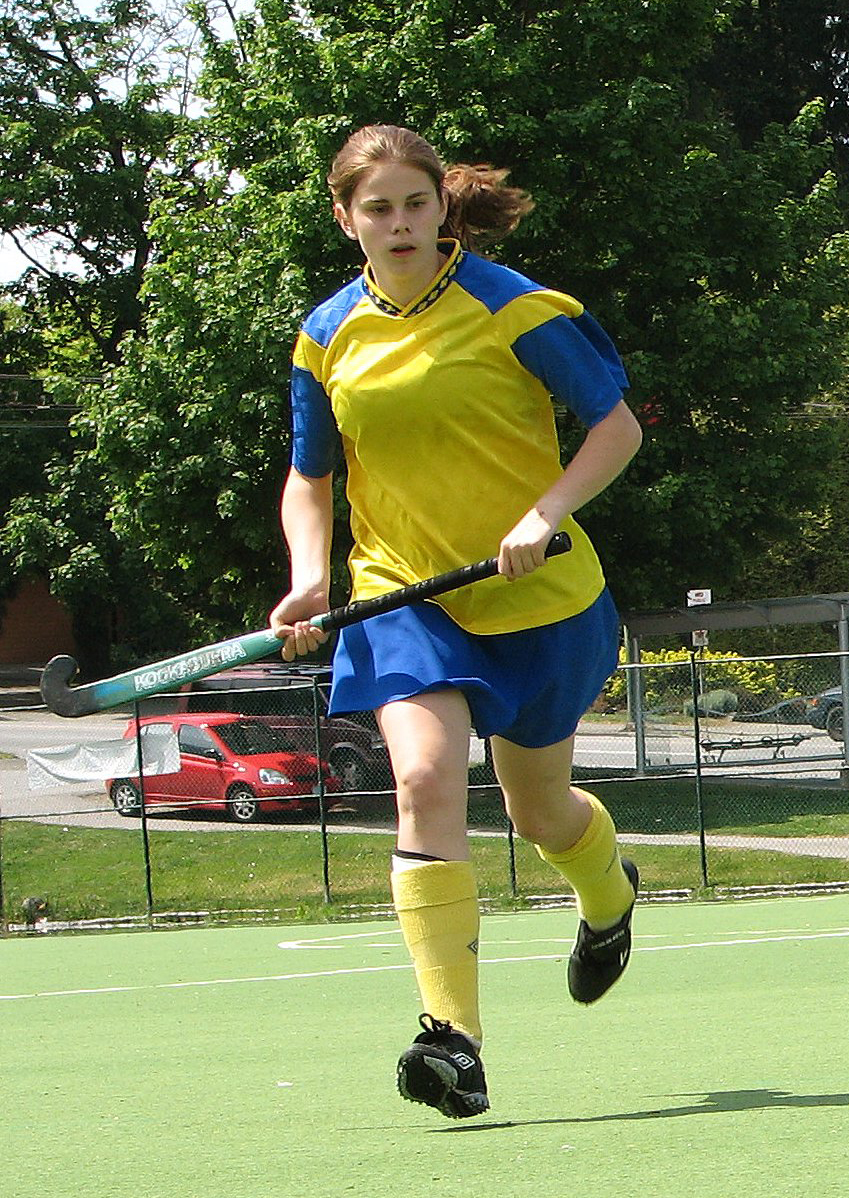
Goalkeeper: The Last Line of Defense
The goalkeeper is the last line of defense, responsible for blocking shots using their body or stick. They wear specialized equipment including a helmet, leg guards, and kickers designed to withstand powerful shots. The goalkeeper commands the defensive area and often guides defenders during attacks, making them crucial for team organization. Their role requires exceptional reflexes, decision-making skills, and the ability to communicate effectively with teammates. Goalkeepers are allowed to touch the ball with any part of their body when inside their shooting circle, giving them unique abilities to control defensive situations.
Defenders: Protecting the Goal
- 3-4 defenders protect goalkeeper by forming the primary defensive line
- Mark opposing forwards to prevent scoring opportunities
- Tackle to win the ball and regain possession for their team
- Sweeper may play behind main defensive line as an additional safety net
Defenders work as a unit to protect the goalkeeper and prevent opposing forwards from creating scoring chances. They must possess strong tackling skills, excellent spatial awareness, and the ability to read the game. The sweeper position, when used, provides an extra layer of defense by covering behind the main defensive line and cleaning up any balls that get through. Defenders need to be physically strong and mentally tough to handle the constant pressure from attacking players.
Midfielders: The Team Engine
Midfielders handle both defensive and offensive duties, making them the engine of the team. They possess high stamina to transition the ball between defense and forwards, often controlling the game’s tempo. These players need exceptional passing accuracy to distribute the ball effectively and maintain possession under pressure. Midfielders must have defensive awareness to track back and support the defense while also having the vision to create attacking opportunities. Their ability to cover large areas of the field and make quick decisions makes them essential for maintaining team balance and creating scoring chances.
Forwards: Scoring and Pressure
- Positioned closest to opponent’s goal to create scoring opportunities
- Focus on scoring and converting chances into goals
- Creating shooting opportunities through movement and positioning
- Need speed and exceptional stick skills to beat defenders
Forwards are positioned closest to the opponent’s goal and focus primarily on scoring and creating pressure. They need exceptional speed to beat defenders and get into scoring positions quickly. Forward players require outstanding stick skills to maintain control of the ball under pressure and create shooting opportunities. Their ability to read the game and anticipate where the ball will be is crucial for effective attacking play. Forwards must also work together to create passing triangles and maintain possession in the attacking third of the field.
Common Field Hockey Formations and Strategies
4-3-3 Formation: Balanced Attack
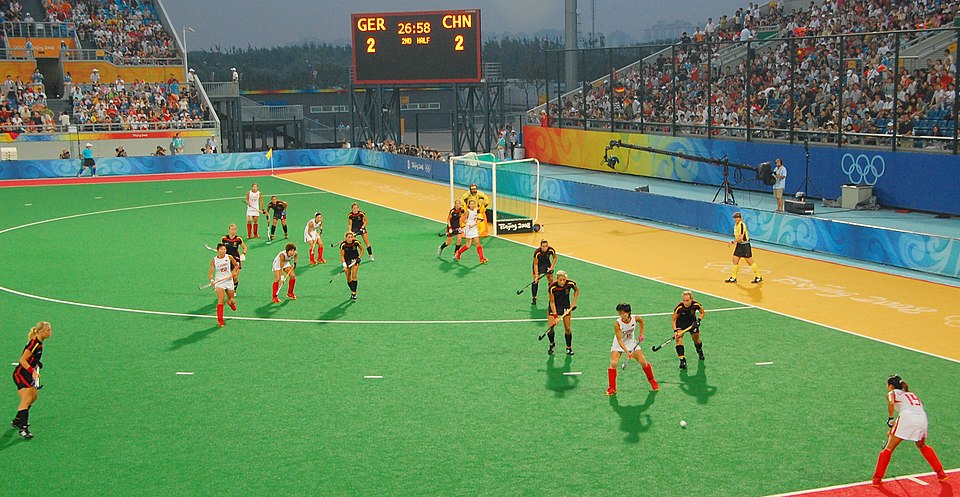
The 4-3-3 formation features four defenders, three midfielders, and three forwards, creating a balanced structure that works well for many teams. This formation provides solid defensive coverage with four defenders while maintaining three attacking options to pressure the opponent’s goal. The three midfielders in this setup can control the center of the field and distribute the ball effectively between defense and attack. Many teams use this formation because it offers flexibility – the formation can shift to more defensive or offensive setups depending on game situations. The balanced nature of 4-3-3 makes it suitable for teams that want to maintain possession while having reliable defensive coverage.
3-4-3 Formation: Offensive Focus
- Three defenders, four midfielders, three forwards create stronger midfield presence
- Stronger midfield presence allows better ball control and distribution
- More attacking options but less defensive coverage
- Ideal for teams with strong attacking players who can handle defensive responsibilities
The 3-4-3 formation emphasizes offensive play with three defenders, four midfielders, and three forwards. This setup provides a stronger midfield presence with four central players who can control possession and create attacking opportunities. The formation offers more attacking options but sacrifices some defensive coverage, making it ideal for teams with strong attacking players who can also contribute defensively. Teams using 3-4-3 need midfielders who can quickly transition between defense and attack, as the reduced number of defenders requires more support from the midfield line.
Key Skills and Responsibilities by Position
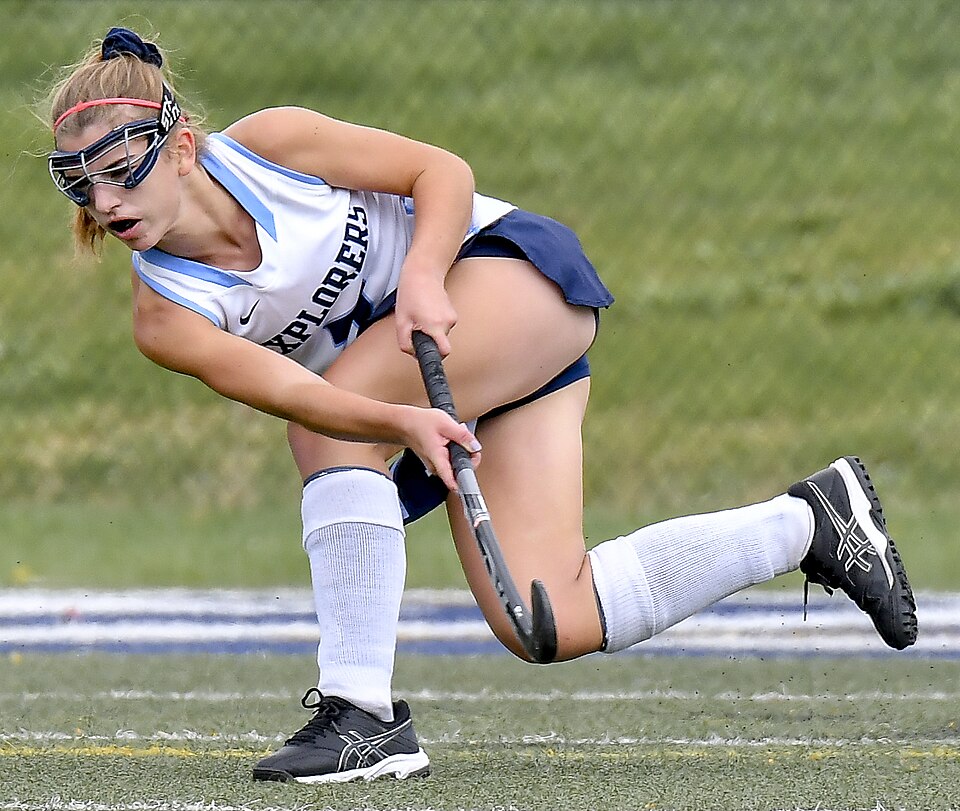
Core Skills for Each Position
| Position | Core Skills Required |
|---|---|
| Forwards | Shooting accuracy, speed, passing to teammates in the circle |
| Midfielders | Passing accuracy, high stamina, defensive awareness |
| Defenders | Tackling, marking, spatial awareness |
| Goalkeeper | Reflexes, decision-making, communication |
Each position requires specific skills that players must master to be effective. Forwards need exceptional shooting accuracy and speed to create scoring opportunities, while midfielders require high stamina and passing accuracy to control the game’s tempo. Defenders must excel at tackling and marking to prevent opposing attacks, and goalkeepers need lightning-fast reflexes and strong decision-making abilities. Understanding these specialized skills helps players focus their training and develop the specific abilities needed for their position.
With and Without Possession Roles
Field hockey positions have distinct responsibilities with and without possession of the ball. When their team has possession, forwards focus on creating scoring opportunities and maintaining pressure in the attacking third, while midfielders control the tempo and distribute the ball effectively. Defenders work to maintain possession and start attacks from the back, and goalkeepers organize the defensive structure. Without possession, forwards apply pressure to force turnovers, midfielders track back to support defense, defenders mark opponents tightly and tackle to win the ball, and goalkeepers command their defensive area. Players must be versatile enough to support teammates across the pitch and transition quickly between offensive and defensive phases of play.
The most surprising aspect of field hockey positions is how much versatility modern players need – even specialists must understand and support other positions. A defender might need to make attacking runs, while a forward might track back to help defend. This versatility makes field hockey uniquely demanding compared to many other team sports. To improve your game immediately, focus on developing one skill from a different position than your own – if you’re a forward, work on your defensive positioning, or if you’re a defender, practice your passing accuracy. This cross-position understanding will make you a more valuable team player and help you anticipate game situations better.
Frequently Asked Questions About Field Hockey Guide
What are the main field hockey positions and their core skills?
Forwards require shooting accuracy, speed, and passing to teammates in the circle. Midfielders need passing accuracy, high stamina, and defensive awareness. Defenders must have tackling, marking, and spatial awareness. Goalkeepers need reflexes, decision-making, and communication skills.
How many defenders protect the goalkeeper in field hockey?
3-4 defenders protect the goalkeeper in field hockey.
What are common field hockey formations and strategies?
Field hockey formations typically involve strategic positioning of forwards, midfielders, defenders, and goalkeepers to balance offense and defense, with defenders supporting the goalkeeper and midfielders linking play between attack and defense.
