
Neutral Zone Hockey Strategy: Control the Middle of the Ice
The neutral zone is the critical battleground where games are won or lost through defensive positioning and transition disruption. Controlling this middle ice area between the blue lines determines whether your team stops opponents cold or gets caught in transition. Teams that master neutral zone defense force turnovers, prevent speed-based attacks, and create counter-attacking opportunities.
- 1-3-1 trap and 1-2-2 system clog the middle to force turnovers
- Mid-ice lock forecheck pushes attackers to the boards
- Stick-on-puck positioning prevents central passing lanes
- Speed and aggression disrupt opponent transitions
How to Control the Neutral Zone with Defensive Systems
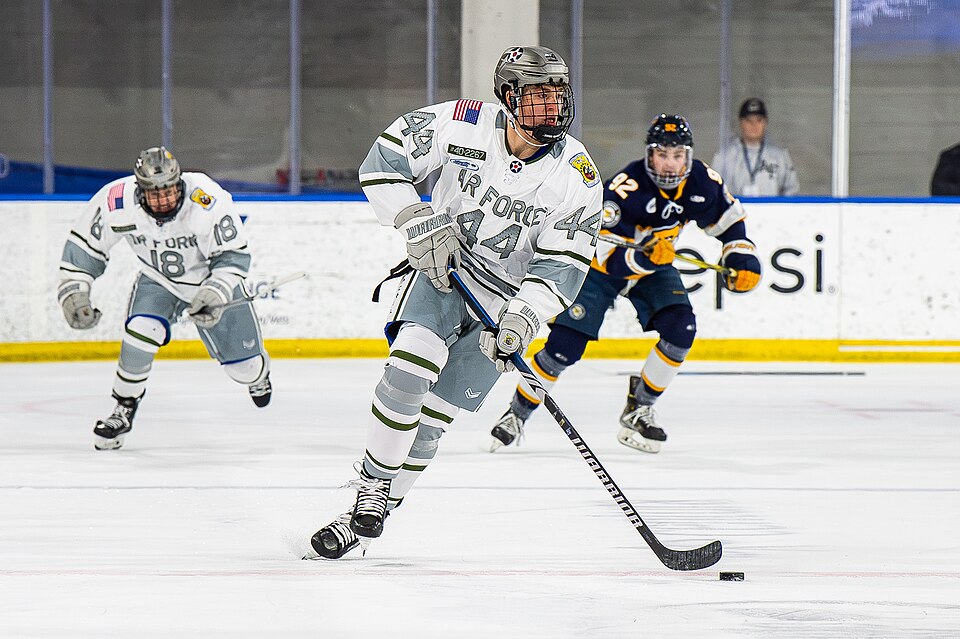
The most effective way to control the neutral zone is through structured defensive systems that pack the middle of the ice. These formations create a “wall” that forces opponents to either dump the puck or attempt risky plays through traffic. The 1-3-1 trap and 1-2-2 system are the two primary formations used by teams to dominate neutral zone play.
1-3-1 Trap Formation: Clogging the Middle of the Ice
The 1-3-1 trap formation creates a defensive wall by positioning players to block the middle of the ice:
- One forward high: Pressures the puck carrier and forces lateral movement
- Three across the middle: Forms a horizontal line that clogs passing lanes and denies entry
- One back: Provides defensive support and prevents odd-man rushes
This formation forces opponents to dump the puck into the offensive zone rather than carrying it across the blue line. The trap works by creating a “no-pass” zone through the center, making it nearly impossible for attackers to maintain possession through the neutral zone. Teams typically deploy the 1-3-1 when protecting a lead, facing faster opponents, or when the opponent’s breakout relies heavily on speed through the middle.
1-2-2 System: Creating a Defensive Wall
The 1-2-2 system offers a slightly more aggressive alternative to the 1-3-1 trap:
- One forward high: Actively pressures the puck carrier
- Two across the middle: Forms a narrower wall than the 1-3-1, focusing on the center lane
- Two back: Provides defensive coverage while allowing for quick transitions
The key difference is that the 1-2-2 encourages more active puck pursuit while still maintaining defensive structure. This system works best against teams that try to carry the puck through the middle or when you want to maintain some offensive pressure while protecting against counter-attacks. The 1-2-2 forces opponents wide more quickly than the 1-3-1, pushing attacks to the boards where defensive support is stronger.
Mid-Ice Lock Forecheck Technique
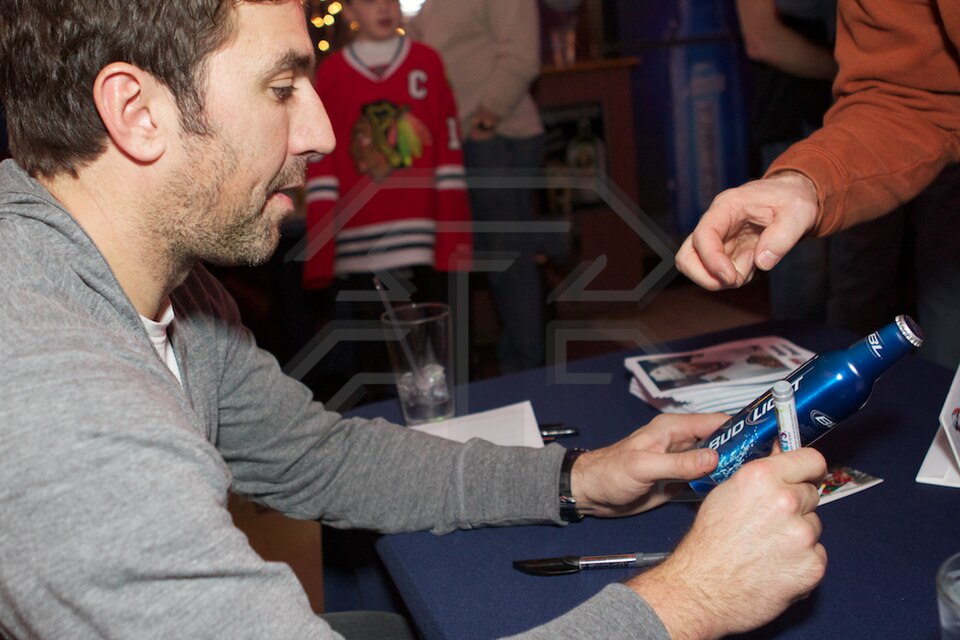
The mid-ice lock forecheck is a specialized technique designed to “lock” the middle of the ice, forcing attackers toward the boards and limiting their passing options. This approach is particularly effective against teams that rely on speed through the center or have strong central playmakers.
Locking the Middle to Force Board Play
The mid-ice lock works by having defensive players position themselves to create a barrier through the center of the ice:
- Body positioning: Players angle their bodies to guide attackers toward the boards rather than allowing straight-line rushes
- Stick work: Active sticks are held horizontally to block passing lanes and deflect pucks to the outside
- Gap control: Defenders maintain tight gaps to prevent attackers from gaining speed through the neutral zone
The technique requires defenders to read the play and anticipate where attackers want to go, then position themselves to make that path difficult or impossible. When executed properly, the mid-ice lock forces attackers into areas where defensive support is stronger and offensive options are limited. This creates turnovers and allows your team to transition quickly to offense.
When to Deploy Mid-Ice Lock vs. Traditional Forecheck
Choosing between mid-ice lock and traditional aggressive forechecking depends on several game situations:
Mid-ice lock is most effective when:
- Protecting a lead in the third period
- Facing teams with superior speed through the middle
- Playing against opponents with strong central playmakers
- Your team needs to control the pace of the game
Traditional aggressive forechecking works better when:
- Your team has speed advantages
- You’re trailing and need to create offensive chances
- The opponent struggles with pressure in their own zone
- You want to maintain a high-tempo game
The decision often comes down to reading the opponent’s strengths and your team’s current game situation. Many successful teams switch between these approaches throughout a game based on what’s working.
Key Neutral Zone Strategies and Tactics
Beyond structured systems, several fundamental tactics form the foundation of effective neutral zone play. These strategies work within any formation and can be the difference between a good neutral zone defense and a great one.
Stick-on-Puck Positioning: Preventing Central Passing Lanes
The stick-on-puck technique is the most fundamental skill for neutral zone defense:
- Active stick positioning: Keep your stick on the ice and angled to block passing lanes
- Horizontal stick placement: Hold your stick parallel to the ice to deflect pucks away from the center
- Stick length awareness: Use your stick’s full reach to challenge passing lanes without over-committing
This technique prevents opponents from making clean passes through the middle of the ice. When every defender maintains active stick position, it creates a web of blocked passing lanes that forces attackers to either carry the puck or attempt risky cross-ice passes. The stick-on-puck approach also creates turnover opportunities when attackers try to force passes through the “stick wall.”
Speed and Aggression: Challenging at the Point of Attack
Many young defenders make the mistake of backing up too far in the neutral zone, giving opponents too much space to operate. Effective neutral zone defense requires:
- Active challenging: Meet the puck carrier at the offensive blue line rather than retreating
- Tight gap maintenance: Keep close enough to pressure without allowing speed through
- Timing your approach: Step up at the right moment to force decisions without getting beat wide
The key is finding the balance between pressure and positioning. You want to challenge enough to disrupt timing but not so much that you get beat wide and create odd-man rushes. This aggressive approach forces attackers to make decisions earlier than they want to, often resulting in turnovers or dump-ins.
Forcing Turnovers: Creating Counter-Attack Opportunities
The ultimate goal of neutral zone defense is forcing turnovers that lead to counter-attacks:
- Reading passing lanes: Anticipate where attackers want to go and position to intercept
- Creating pressure points: Force attackers into areas where your team has numerical advantages
- Quick transition: When you win the puck, move it quickly to catch the opponent off-balance
Successful neutral zone defense creates a cycle: good positioning forces turnovers, turnovers create counter-attacks, and counter-attacks force the opponent to be more careful, which makes your neutral zone defense even more effective. The best neutral zone teams understand that preventing goals isn’t just about stopping the opponent—it’s about creating opportunities for your own team.
The most counter-intuitive finding in neutral zone play is that the best neutral zone defense actually creates more offensive chances than it prevents. By forcing turnovers in the neutral zone, you generate odd-man rushes and quick transition opportunities. The specific action step is to practice one neutral zone system (1-3-1 or 1-2-2) for 15 minutes in the next practice, focusing on positioning rather than puck pursuit. This dedicated practice time will help your team understand spacing and timing, which are the foundations of effective neutral zone control.
- 1-3-1 trap and 1-2-2 system clog the middle to force turnovers
- Mid-ice lock forecheck pushes attackers to the boards
- Stick-on-puck positioning prevents central passing lanes
- Speed and aggression disrupt opponent transitions
Internal Links to Include
- [MANDATORY] Target URL: https://www.mardenrussets.com/hockey — anchor text: “hockey” (or natural variation)
- [cluster sibling] URL: https://www.mardenrussets.com/2026-hockey-rules-updates-what-every-player-needs-to-know
Topic: “hockey rules” — Page title: “2026 Hockey Rules Updates: What Every Player Needs to Know”
→ Create anchor text that describes what readers will find on this page
- [cluster sibling] URL: https://www.mardenrussets.com/best-hockey-sticks-2026
Topic: “hockey equipment” — Page title: “Best Hockey Sticks 2026: Professional Reviews and Buying Guide”
→ Create anchor text that describes what readers will find on this page
- [cluster sibling] URL: https://www.mardenrussets.com/evolution-of-hockey-from-ancient-origins-to-modern-game
Topic: “hockey history” — Page title: “Evolution of Hockey: From Ancient Origins to Modern Game”
→ Create anchor text that describes what readers will find on this page
- [cluster sibling] URL: https://www.mardenrussets.com/advanced-stick-handling-techniques-hockey
Topic: “hockey techniques” — Page title: “Advanced Stick Handling Techniques for Hockey Players”
→ Create anchor text that describes what readers will find on this page
- [cluster sibling] URL: https://www.mardenrussets.com/off-season-hockey-training-building-strength-and-endurance
Topic: “hockey training” — Page title: “Off-Season Hockey Training: Building Strength and Endurance”
→ Create anchor text that describes what readers will find on this page
- [cluster sibling] URL: https://www.mardenrussets.com/power-play-strategies-offensive-tactics-hockey
Topic: “hockey strategy” — Page title: “Power Play Strategies: Offensive Tactics for Hockey Teams”
→ Create anchor text that describes what readers will find on this page
- [cluster sibling] URL: https://www.mardenrussets.com/hockey-passing-drills-building-team-chemistry-and-accuracy
Topic: “hockey drills” — Page title: “Hockey Passing Drills: Building Team Chemistry and Accuracy”
→ Create anchor text that describes what readers will find on this page
Frequently Asked Questions About Hockey Strategy Neutral Zone Play
What is the neutral zone strategy in hockey?
The neutral zone trap is a defensive strategy used to prevent the opposing team from advancing through the neutral zone. It focuses on clogging passing lanes and forcing turnovers to disrupt the opponent's transition game.
What skills are key in the neutral zone?
Key skills include defending the blue line as a group, not giving away ice, challenging at the point of attack, and protecting middle ice with proper angling to maintain defensive structure.
How does the neutral zone work in hockey?
The neutral zone is the area between the blue lines where teams battle for puck control. Effective neutral zone play involves disrupting the opponent's breakout and transition while maintaining defensive positioning to prevent odd-man rushes.
