
Starting ice hockey can feel overwhelming, but mastering a few basic skills will get you skating confidently in no time. The key is to focus on fundamental techniques like proper stance, stopping, and gear preparation before worrying about advanced moves.
Key Takeaway
-
Master basic skating stance with bent knees and low center of gravity for balance and power
-
Practice both snowplow and hockey stops as essential beginner stopping techniques
-
Arrive 30 minutes early to prepare gear and sharpen skates before hitting the ice
Master the Basic Skating Stance: Knees Bent, Low Center of Gravity
The foundation of ice hockey starts with your skating stance. Keep your knees bent and maintain a low center of gravity to stay balanced and generate power. This position allows you to push off more effectively and react quickly to changes on the ice. Think of it like sitting in a chair—your weight should be centered over your skates with your knees slightly ahead of your toes. This stance not only improves balance but also helps you absorb impacts from other players and maintain control at higher speeds. Professional players spend hours perfecting this basic position because it’s the foundation for everything else you’ll do on the ice.
Stopping Techniques: Snowplow for Beginners, Hockey Stop for Progress
-
Snowplow Stop: Turn your toes inward and push your heels outward, creating a wedge shape with your skates. This is the easiest method for beginners to learn control and gradually slow down. It’s particularly useful in crowded areas or when you need to stop gradually without losing balance.
-
Hockey Stop: Turn your skates perpendicular to your direction of travel and dig the inside edges into the ice. This creates a quick, sharp stop but requires more practice and balance. The hockey stop is essential for game situations where you need to change direction rapidly or avoid collisions.
-
When to Use Each: Start with snowplow stops until you feel comfortable on the ice, then gradually work on hockey stops as your confidence grows. Snowplow is safer for crowded areas or when you need to slow down gradually, while hockey stops are better for quick direction changes during gameplay.
-
Practice Tips: Find a clear area of ice and practice stopping from different speeds. Focus on keeping your knees bent throughout the stop to maintain balance. Try stopping from both forward and backward skating positions to build versatility.
Ice Hockey Gear Checklist and Off-Ice Preparation
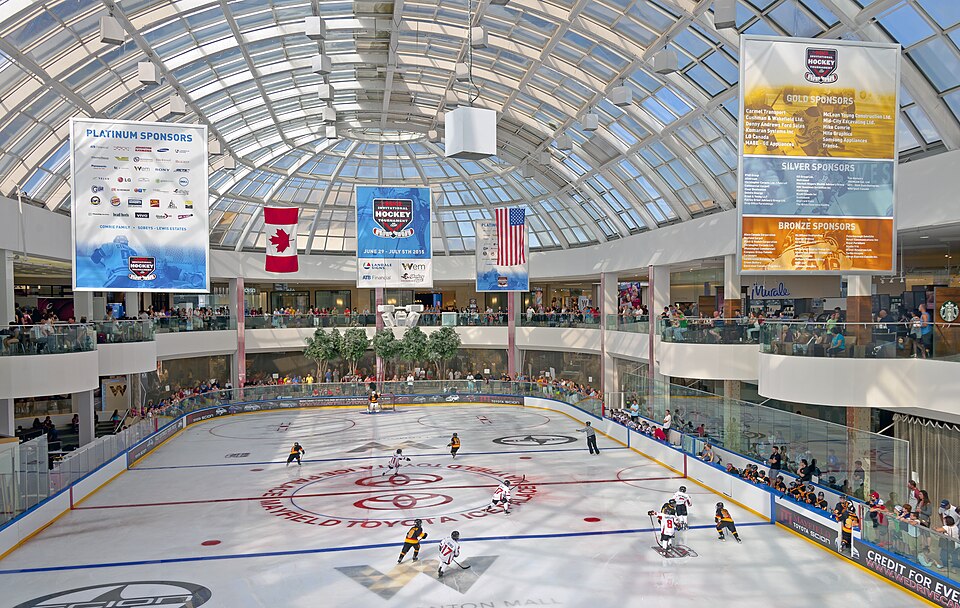
Complete Hockey Equipment Checklist: What You Need to Start
-
Helmet: Must fit snugly with a full cage or shield to protect your face. Check for proper certification and ensure the chin strap is secure. A properly fitted helmet can reduce the risk of head injuries by up to 70% according to safety studies.
-
Shoulder Pads: Should cover your shoulders, chest, and upper back without restricting arm movement. Look for pads with adjustable straps for a customized fit. The padding should be thick enough to absorb impacts but not so bulky that it limits your mobility.
-
Elbow Pads: Protect your elbows and extend down your forearms. They should stay in place when you move your arms and not slide around during play. Elbow pads are crucial for protecting against falls and collisions with other players.
-
Gloves: Provide protection for your hands and wrists while allowing flexibility for stick handling. The gloves should fit snugly without being too tight, and the palms should provide good grip on your stick. Quality gloves can last several seasons with proper care.
-
Shin Guards: Cover from your knees to your ankles. They should fit comfortably under your hockey socks and stay in place during movement. Shin guards protect against slashes, pucks, and falls, making them one of the most important pieces of equipment.
-
Hockey Pants: Protect your hips, thighs, and lower back with padding in key impact areas. The pants should fit comfortably over your base layer and allow for full range of motion. Look for pants with reinforced areas around the spine and kidneys.
-
Skates: Should fit snugly with your toes barely touching the front. Proper fit prevents blisters and improves control. Skates that are too big can cause ankle injuries, while skates that are too small can lead to foot pain and reduced performance.
-
Stick: Choose the right length—when standing in skates, it should reach between your chin and nose. The flex of the stick should match your strength and playing style. Beginners often benefit from a more flexible stick that helps with shot power.
-
Mouthguard: Essential for protecting your teeth and reducing concussion risk. Custom-fitted mouthguards offer the best protection and comfort. Even in non-checking leagues, mouthguards are crucial for preventing dental injuries.
Off-Ice Preparation: Arrive 30 Minutes Early for Gear and Skate Sharpening
Arriving at least 30 minutes early gives you time to prepare properly before hitting the ice. This preparation time is crucial for beginners who need to check their equipment and ensure everything fits correctly. Start by inspecting all your gear for any damage or wear. Check that your helmet straps are secure, your shoulder pads aren’t loose, and your shin guards are properly positioned. Most importantly, verify that your skates are sharp—dull blades make skating much harder and increase your risk of falling. Many rinks offer skate sharpening services, so take advantage of this if you’re unsure about doing it yourself. This early arrival also gives you time to mentally prepare and review any basic techniques you’ve learned before stepping onto the ice. Use this time to stretch and warm up your muscles, which can help prevent injuries during your session.
Beginner Ice Hockey Skills: Building Confidence on the Ice
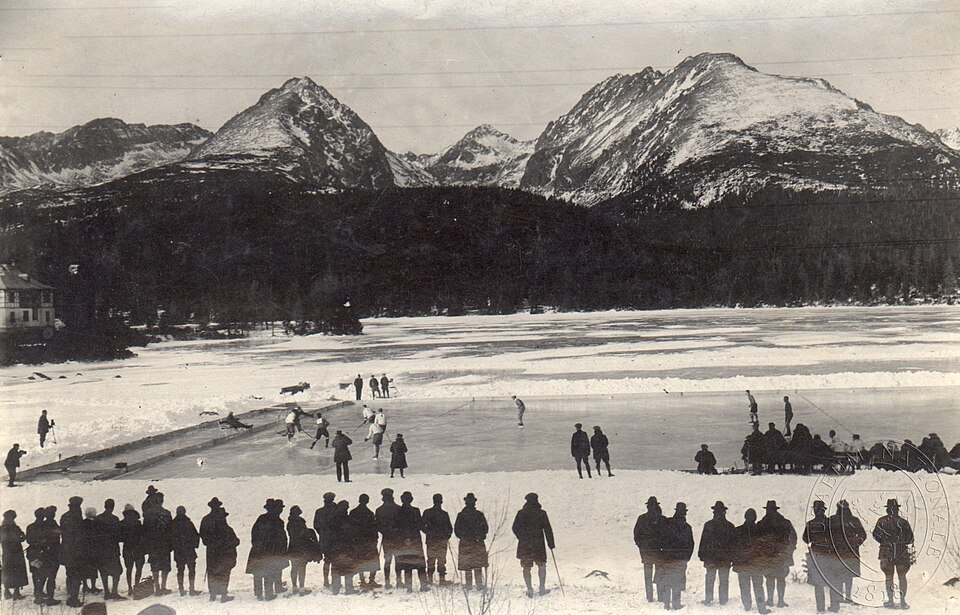
Balance and Weight Shifting: Standing Still to Moving Side-to-Side
Balance is the foundation of all ice hockey skills. Start by practicing standing still on your skates with your knees bent and arms slightly out for balance. Once you feel stable, begin shifting your weight from one foot to the other while staying in one spot. This weight-shifting exercise helps you understand how your body moves on ice and prepares you for more dynamic movements. Next, try moving your weight side-to-side while gliding slowly. This progression builds the muscle memory and confidence needed for turns, stops, and quick direction changes. Remember to keep your head up and look forward rather than down at your feet—this helps with balance and awareness of your surroundings. Professional players practice these basic balance exercises daily to maintain their edge on the ice.
Stick Handling Basics: Sweeping the Puck Backward and Forward
-
Sweeping Motion: Keep your top hand firm on the stick while your bottom hand guides the movement. The motion should be smooth and controlled, like sweeping with a broom. This technique allows you to maintain puck control while moving at different speeds.
-
Starting Position: Begin with the puck slightly in front of you. Use a gentle backward sweep to pull the puck toward your body, then a forward sweep to push it away. This basic motion forms the foundation for more advanced stick handling techniques.
-
Control Over Speed: Focus on keeping the puck close to your stick rather than moving it quickly. Speed will come naturally as your control improves. Beginners often make the mistake of trying to move the puck too fast, which leads to loss of control.
-
Practice Drills: Set up cones or markers and practice moving the puck around them while maintaining control. Start at walking speed and gradually increase as you improve. Try different patterns like figure eights or zig-zags to develop versatility.
-
Body Positioning: Keep your knees bent and your weight centered. Your eyes should be looking up at where you want to go, not down at the puck. This helps you maintain awareness of other players and develop better on-ice vision.
The most surprising thing about learning ice hockey is how quickly your body adapts to the ice once you master the basics. Many beginners expect to struggle for weeks, but with proper stance and stopping techniques, you can feel comfortable on skates within your first few sessions. The key is to focus on fundamentals rather than trying to do too much too soon. A specific action step you can take today is to practice your skating stance at home—stand in front of a mirror with your knees bent and arms out, holding that position for 30 seconds. This simple exercise builds the muscle memory you’ll need when you step onto the ice. For more detailed information about hockey rules and equipment, check out our comprehensive guides on hockey rules and 2026 hockey rules updates to help you prepare for your first game.
Frequently Asked Questions About Ice Hockey Tips For Beginners
What are the 5 basic skills in hockey?
The 5 basic skills in hockey include First Touch, Leading, Passing, Shooting, and Skating. Mastering these skills is essential for beginners to build confidence on the ice.
How to get a faster first step in hockey?
To get a faster first step in hockey, focus on training acceleration with short burst sprints and explosive starts. This helps build foundational power and speed on the ice.
Why am I so slow in hockey?
Being slow in hockey can be due to poor ankle mobility or weak lower body strength. Addressing these issues through targeted training can improve your speed and agility on the ice.
