
Ice hockey formations are fluid systems that change by zone and situation, not fixed lineups. Unlike field hockey’s static 4-3-3 setup, ice hockey teams adapt their formations based on whether they’re attacking, defending, or transitioning between zones. Understanding these strategic setups is essential for coaches, players, and fans who want to grasp the tactical depth of the game.
- Ice hockey formations are fluid systems that change by zone and situation, not fixed lineups
- The 1-3-1 power play is the most popular NHL formation, used by 90% of teams
- Forechecking formations like 1-2-2 and 2-1-2 determine offensive pressure and risk levels
- The 1-3-1 neutral zone trap is designed to protect leads against rush-oriented teams
- Cycling and net-front screens are key offensive tactics that complement formation strategies
Popular Ice Hockey Formations and When to Use Them
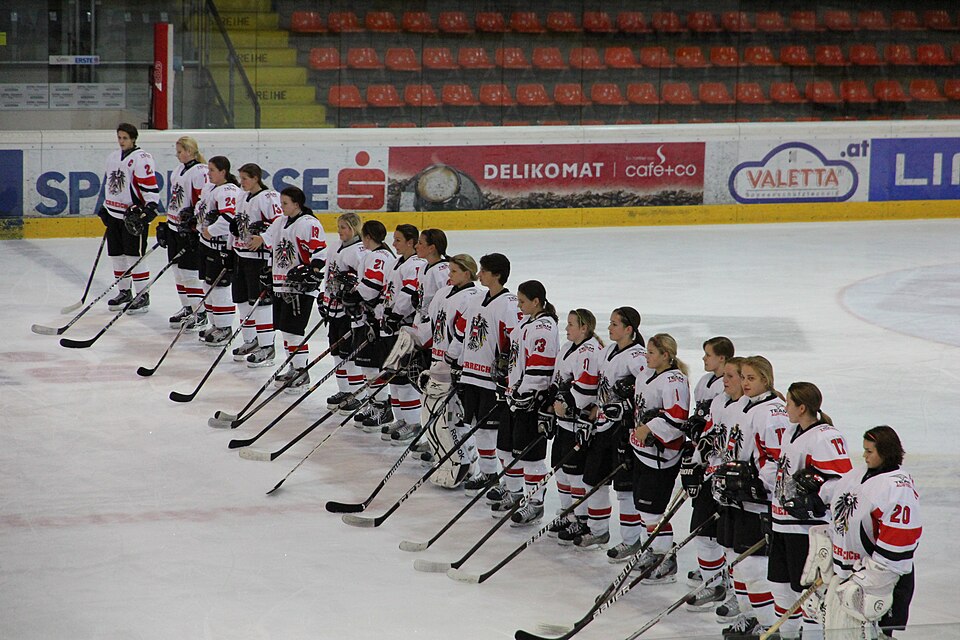
Ice hockey formations are dynamic systems that teams deploy based on game situations. These setups determine how players position themselves in different zones and during various game scenarios. Understanding when to use each formation can significantly impact a team’s success on the ice, and having the right hockey equipment is equally important for executing these strategies effectively.
1-2-2 Forecheck: Standard Aggressive Pressure Formation
- Formation setup: One forward pressures the puck carrier, two forwards position themselves in the middle of the ice, and two defensemen hold the blue line
- When to use: Standard aggressive pressure formation used when teams want consistent offensive zone pressure and turnovers against slower defensive teams
- Tactical advantages: Creates turnovers in the offensive zone, maintains pressure on the puck carrier, and prevents easy breakouts by the opposing team
- Risk/reward balance: Moderate risk with consistent pressure, but can leave gaps if the opposing team has quick transition players
- Ideal situations: Used when a team has the lead and wants to maintain offensive pressure, or when facing teams with slower defensemen who struggle with quick transitions
2-1-2 Forecheck: High-Risk/High-Reward Offensive Setup
- Formation structure: Two forwards pressure deep in the offensive zone, one center supports in the middle, and two defensemen hold high positions
- When to use: Ideal when trailing in the game and needing to generate offensive opportunities quickly
- Comparison to 1-2-2: Higher risk/reward than the 1-2-2 formation, with more aggressive pressure but greater vulnerability to counterattacks
- Tactical advantages: Creates immediate offensive pressure, forces turnovers in dangerous areas, and can lead to quick scoring chances
- Risk factors: Leaves the team vulnerable to odd-man rushes if the forecheck fails, requires forwards to be disciplined in their positioning
Defensive and Neutral Zone Formations
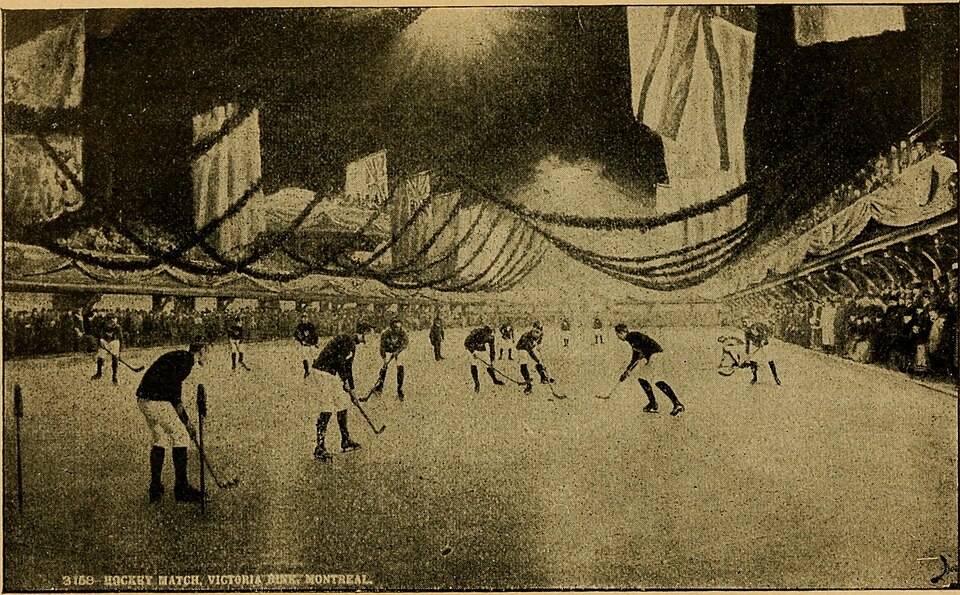
Defensive formations are crucial for protecting leads and disrupting opponent’s offensive strategies. These setups focus on clogging passing lanes, forcing turnovers, and maintaining defensive structure when a team doesn’t have possession.
1-3-1 Neutral Zone Trap: Protecting Leads Against Rush Teams
The 1-3-1 neutral zone trap is a defensive formation designed to protect leads against teams that rely on speed and rushing attacks. This formation creates a barrier in the neutral zone that forces opponents to dump the puck rather than carry it through the center of the ice.
Formation mechanics: One forward pressures the puck carrier at the opponent’s blue line, three players form a horizontal line across the neutral zone, and one defenseman stays back near the team’s blue line. This creates a “trap” that opponents must navigate through.
Ideal deployment scenarios: Perfect for protecting one-goal leads late in games, facing teams with superior speed, or when a team wants to slow down the pace of play. The formation is particularly effective against teams that rely on rush-based offense rather than structured breakouts.
Why it clogs center ice: The horizontal line of three players across the neutral zone forces opponents to the outside boards, where it’s harder to generate quality scoring chances. This disrupts the opponent’s preferred rush lanes and forces them into less dangerous areas of the ice.
Box+1 Penalty Kill Formation: Defensive Structure
- Formation structure: Four players form a box in the defensive zone, with one forward pressuring the puck carrier at the point
- Standard penalty kill setup: Used when a team is shorthanded and needs to prevent the opposing power play from generating scoring chances
- Coverage responsibilities: The box formation protects the slot area, while the pressuring forward forces the puck carrier to make quick decisions
- Defensive advantages: Eliminates high-danger scoring areas, forces outside shots, and creates opportunities for clears and breakouts
- Ideal situations: Standard penalty kill formation for most game situations, particularly effective against umbrella power plays
Power Play Formations and Offensive Tactics
Power play formations are specialized setups designed to create scoring opportunities when a team has a numerical advantage. These formations focus on creating passing lanes, shooting opportunities, and net-front presence to overwhelm the penalty-killing team. Understanding power play strategies is crucial for maximizing these advantages.
1-3-1 Power Play: The NHL Standard Formation
| Position | Location | Role |
|---|---|---|
| Point Player | Top of the circle | Quarterback, shot selection, passing |
| Half Wall Players | Left and right face-off circles | Quick passes, one-timers, puck movement |
| Slot Player | Between face-off dots | Screen goalie, tip shots, quick releases |
| Net-Front Player | In front of the crease | Screen goalie, tip-ins, rebound control |
Why 90% of NHL teams use it: The 1-3-1 power play formation maximizes shooting and passing options while creating multiple threats for the penalty-killing team. Its balanced structure makes it difficult to defend against because it presents threats from all angles.
Comparison to other PP setups: Unlike the umbrella formation which focuses on perimeter shots, the 1-3-1 creates both outside and inside threats. It’s more structured than overload formations but offers more flexibility than traditional setups.
Effectiveness factors: The formation works best with skilled puck movers at the point and half walls, a strong net-front presence, and players who can quickly read and react to defensive adjustments.
Umbrella and Overload Formations: Specialized PP Setups
- Umbrella formation: One player high, two players on the walls, and two players low near the goal line. Designed for perimeter shots and quick puck movement
- Overload formation: Stack three players on one side of the ice to create a 3-on-2 advantage against the penalty killers
- When umbrella is most effective: Against tight box penalty kills that collapse toward the net, when a team has excellent outside shooters
- Overload advantages: Creates mismatches, opens passing lanes through traffic, and can overwhelm defenders on one side of the ice
- Ideal situations: Umbrella works best against teams that collapse their box formation, while overload is effective against teams that try to pressure the point player
The most surprising finding about hockey team formations is that they’re not static systems but rather fluid strategies that teams switch between multiple times per game. Professional teams might use three or four different formations in a single period, adapting to game situations, opponent adjustments, and momentum shifts. This adaptability is similar to how hockey techniques have evolved over time to meet changing demands of the game.
Actionable step: Start by mastering one formation in each zone – a basic forecheck like 1-2-2, a simple neutral zone setup, and a standard power play like the 1-3-1. Once comfortable with these fundamentals, begin experimenting with situational adjustments based on game context and opponent tendencies.
