
Choosing the perfect field hockey stick depends on player height, skill level, and position, with key factors being length, weight, and material composition. Generally, the stick should reach about 2 inches below the hip, with beginners starting at 34-35″ and experienced adults at 36.5-37.5″. High carbon adds power, while lower bows enhance 3D skills.
Key Takeaway
-
Stick length should reach about 2 inches below the hip for proper fit
-
Beginners need 34-35″ sticks while experienced players use 36.5-37.5″
-
High carbon content (80-100%) provides maximum power for advanced players
How to Choose the Right Field Hockey Stick Length
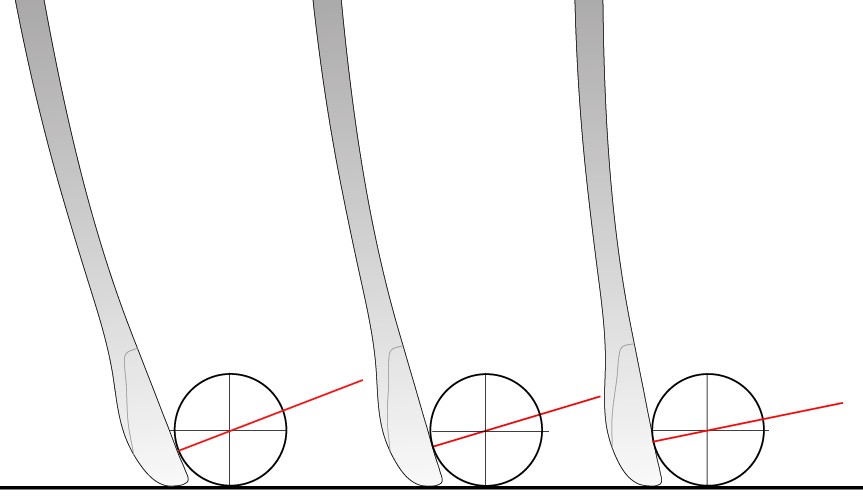
The foundation of good field hockey performance starts with the right stick length. Using a stick that’s too long or too short affects your control, power, and overall comfort on the field. The general rule is that your stick should reach about 2 inches below your hip bone when standing straight with the stick in front of you. This measurement ensures optimal reach without compromising your ability to maneuver the ball effectively.
Stick Length by Height: The 2-Inch Below Hip Rule
|
Player Height |
Recommended Stick Length |
Age Range |
Skill Level |
|---|---|---|---|
|
Under 3’0″ |
24″ – 26″ |
5-7 years |
Beginner |
|
3’1″ – 3’6″ |
26″ – 28″ |
7-9 years |
Beginner |
|
3’7″ – 4’0″ |
28″ – 30″ |
9-11 years |
Beginner/Intermediate |
|
4’1″ – 4’5″ |
32″ |
11-13 years |
Intermediate |
|
5’0″ – 5’4″ |
35″ |
13-15 years |
Intermediate/Advanced |
|
5’4″ – 6’0″ |
36.5″ |
15+ years |
All levels |
|
6’0″+ |
37.5″ or 38.5″ |
Adult tall players |
Advanced |
Beginners typically start with shorter sticks (34-35″) to develop better control and technique. As players advance, they often move to longer sticks (36.5-37.5″) for increased reach and power. The wrong length can cause back strain, poor ball control, and reduced effectiveness in both offensive and defensive plays. Players who frequently find themselves reaching for the ball or struggling with basic dribbling often have sticks that are too long for their height.
Defensive players sometimes prefer slightly longer sticks for increased reach during tackles and clearances. Midfielders often choose the standard length for their height to maintain versatility in both attacking and defending roles. Forwards might opt for slightly shorter sticks for better ball control and quick maneuvers in tight spaces.
Testing different lengths at your local hockey shop or club is crucial before making a purchase. Many players discover that their ideal stick length differs slightly from the standard recommendations based on their playing style and physical build. The 2-inch below hip rule provides a solid starting point, but personal comfort and performance should guide your final decision.
Field Hockey Stick Materials and Composition Guide
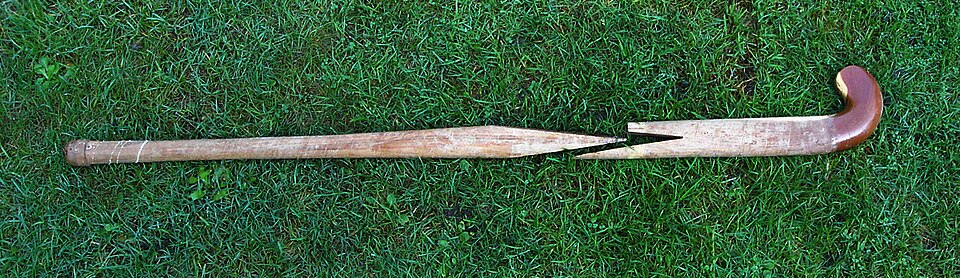
The material composition of your field hockey stick significantly impacts its performance characteristics. Different materials offer varying levels of power, control, durability, and feel. Understanding these differences helps you choose a stick that matches your playing style and skill level. The evolution of stick materials has transformed the game, with modern composites offering performance levels that wooden sticks simply cannot match.
Carbon Content: Power vs Control Trade-off
-
High Carbon (80-100%): Provides maximum power and stiffness for advanced players. These sticks deliver explosive hits but offer less shock absorption and can be harder to control for beginners. Professional players often use sticks with 90-95% carbon content for maximum performance.
-
Medium Carbon (40-70%): Balances power with control, making them ideal for intermediate players. These sticks offer good hitting power while maintaining reasonable feel and control. Many club players find this range provides the best overall performance.
-
Low Carbon (0-40%): Prioritizes control and feel over power. Wood sticks or low-carbon composites are perfect for beginners learning proper technique. These sticks are more forgiving and help develop fundamental skills.
-
Aramid/Kevlar: Often added to carbon sticks to reduce vibrations and improve durability. This material helps absorb shock and provides a softer feel. It’s particularly useful for players who experience hand fatigue or play on harder surfaces.
-
Fibreglass: Adds strength and durability while maintaining good feel. Often used in beginner sticks for its forgiving nature. Fibreglass provides excellent value for money and is highly durable.
Beginners should start with wood or low-carbon composite sticks to develop proper technique without the added complexity of high-power materials. As skills improve, players can transition to higher carbon content for increased performance. The progression typically follows: wood → 20-30% carbon → 40-60% carbon → 80%+ carbon.
Material composition also affects the stick’s weight distribution. High-carbon sticks tend to be lighter but can feel less balanced. Adding fibreglass or aramid increases weight but improves feel and durability. The ideal balance depends on your position and playing style. Defenders often prefer slightly heavier sticks for stronger tackles, while forwards might choose lighter sticks for quick movements.
Temperature can affect stick performance. Carbon sticks become stiffer in cold weather, potentially reducing feel and control. This is why many players in colder climates prefer sticks with some fibreglass content for better all-weather performance. The material’s response to temperature changes is an important consideration for serious players.
Bow Shape and Weight: Matching Your Playing Style
The bow shape and weight of your field hockey stick directly influence your ability to perform specific skills. Different bow shapes excel at different aspects of the game, from aerials to drag flicks to basic ball control. Understanding these differences helps you choose a stick that complements your playing style and position on the field.
Low Bow vs Mid Bow: Which Suits Your Game
Low Bow: Starts closer to the toe of the stick, creating a more pronounced curve. This design is ideal for 3D skills, drag flicking, and aerials. The lower bow allows for better ball lift and more dynamic stick movements, making it popular among forwards and attacking midfielders who need to execute advanced skills. Professional drag flickers often use sticks with extremely low bows for maximum aerial performance.
Mid/Regular Bow: Features a more gradual curve centered around the middle of the stick. This traditional shape offers better control for passing, receiving, and general play. It’s particularly suitable for beginners and defensive players who prioritize ball control over aerial skills. The mid bow provides a balanced performance for all aspects of the game.
Extreme Low Bow: Found on specialized sticks for elite players, these have the lowest possible bow point. They maximize aerial and 3D skills but require exceptional technique to control. These sticks are typically used by professional players or those with advanced skills.
Weight Considerations: Light sticks (535-560g) are best for quick maneuvers, dribbling, and players who need rapid stick movements. Heavier sticks provide more power and durability, making them ideal for defenders who need to make strong tackles and clearances. The weight difference between light and heavy sticks can be as much as 100 grams, which significantly impacts performance.
Players who specialize in aerial skills and 3D play should choose low bow sticks, while those focused on fundamental skills and control benefit from mid bow designs. Many players keep multiple sticks for different situations or playing positions. For example, a midfielder might use a mid bow stick for general play but switch to a low bow stick for penalty corners.
The bow shape also affects your ability to perform specific skills. Low bows make reverse stick hits easier but can make upright hitting more challenging. Mid bows provide more consistent performance across all skill types but may limit advanced aerial capabilities. Understanding these trade-offs helps you make an informed decision based on your playing style.
For members of the Marden Russets Hockey Club (MRHC), choosing a stick often means balancing the need for control on grass/sand pitches with the power required for modern game styles. A 36.5″ stick with a moderate bow and 40-70% carbon is a common, versatile choice for club players. The club’s playing conditions and competition level influence these recommendations.
The most surprising finding is that stick selection isn’t just about performance—it’s about preventing injury. Using the wrong stick length can cause back pain and poor posture, while the wrong material composition can lead to hand fatigue and reduced playing time. The best approach is to test different sticks at your local hockey shop or club before making a purchase. Visit the hockey equipment page to learn more about our club’s recommendations and find links to trusted equipment suppliers.
Frequently Asked Questions About Hockey Stick Selection
How to find the perfect field hockey stick?
Age and height are foundational factors in selecting the right stick length and weight. Field hockey sticks generally range from 24 to 38.5 inches, with lengths suited to players of different ages and heights.
Is it better to have a longer or shorter field hockey stick?
A longer stick is often used by defensive or midfield players to increase the distance they can reach to hit the ball, while shorter sticks can be a benefit to offensive players, offering better control and overall handling of the ball.
What are the top 5 best hockey sticks?
1) Bauer Vapor FlyLite.
2) CCM JetSpeed FT8 Pro.
3) CCM Tacks XF Ghost.
4) Bauer Nexus Tracer.
5) Warrior Covert QR6 Pro.
6) Bauer Pulse.
7) Warrior Alpha LX3 Pro.
8) CCM Ribcor Trigger 10 Pro.
