
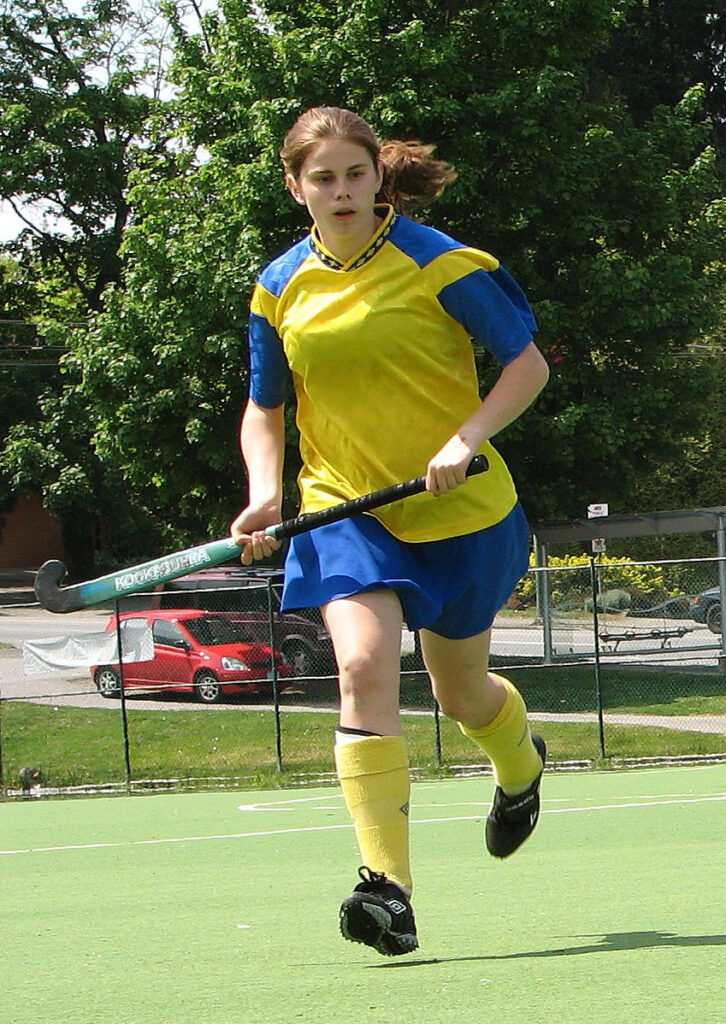
Field hockey features 11 specialized players on each team, with one goalkeeper and 10 field players working together to control the game. Understanding these positions is essential for players, coaches, and fans to appreciate how teams function on the field.
- 11 players per team: 1 goalkeeper + 10 field players in specialized roles
- Each position has distinct responsibilities: defense, midfield control, or attacking
- Common formations include 4-3-3, 3-4-3, and 5-3-2 based on tactical needs
- Success requires position-specific skills from reflexes to endurance
What Are the 11 Field Hockey Positions and Their Roles?
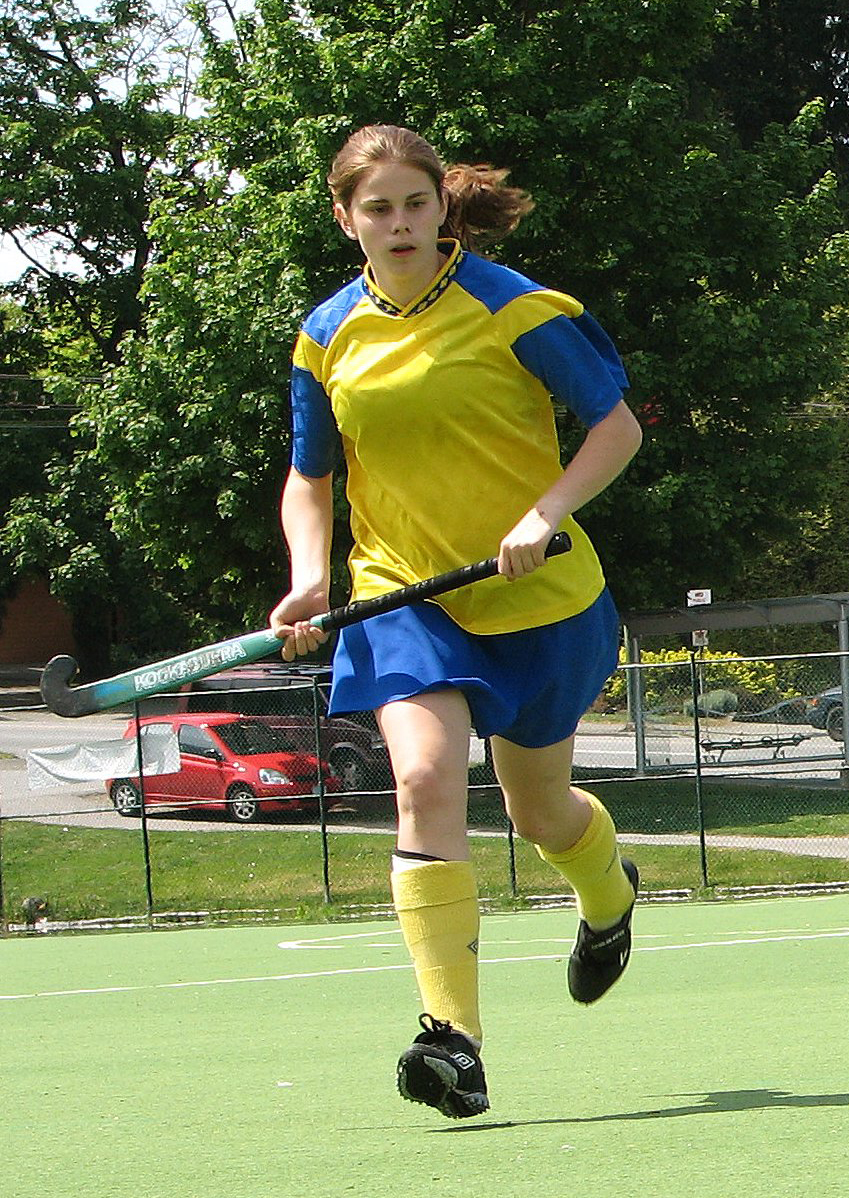
Field hockey teams organize 11 players into four main categories: goalkeeper, defenders, midfielders, and forwards. Each position has specific responsibilities that contribute to the team’s overall strategy.
Goalkeeper: The Last Line of Defense
The goalkeeper serves as the final barrier between the opposing team and the goal cage. This specialized position requires unique equipment including a longer, wider stick designed to withstand powerful shots.
Key Responsibilities:
- Protecting the goal cage area using body, hands, or feet within the shooting circle
- Blocking shots from opposing players using specialized equipment
- Communicating with defenders to maintain defensive organization
- Clearing the ball out of dangerous areas to restart play
Essential Skills:
- Exceptional reflexes to react to fast-moving shots
- Agility for quick movements in all directions
- Bravery to face powerful shots without hesitation
- Decision-making under pressure during critical moments
Defenders: Building the Defensive Wall
Defenders form the backbone of the team’s defensive structure, typically consisting of three to four players who protect the goalkeeper and prevent scoring opportunities.
Key Positions:
- Fullbacks (Left/Right): Positioned near the goalkeeper to provide a solid defensive screen
- Sweeper/Center Back: An extra defensive layer behind fullbacks to intercept passes and cover gaps
Primary Responsibilities:
- Marking opposition forwards to prevent them from receiving the ball
- Tackling opponents to win possession and regain control
- Clearing the ball upfield to midfielders to transition to offense
- Executing pressing strategies to force turnovers in the opponent’s half
Required Skills:
- Strong positional awareness to anticipate opponent movements
- Excellent tackling technique to win the ball cleanly
- Good communication to coordinate defensive efforts
- Physical strength to hold off opposing attackers
Midfielders: The Game’s Engine Room
Midfielders serve as the link between defense and offense, often considered the most versatile players on the field. They control the game’s tempo and cover the most ground during matches.
Key Positions:
- Center Midfielder: Dictates the team’s tempo and distributes the ball
- Attacking/Defensive Midfielders (Left/Right): Support both offensive and defensive phases
Core Responsibilities:
- Controlling the flow of the game through ball distribution
- Supporting defense when opponents attack
- Moving forward to support attacking players when in possession
- Passing and distributing the ball accurately to maintain possession
Essential Skills:
- High endurance and stamina for continuous running
- Passing accuracy to maintain possession under pressure
- Quick transitions between defensive and offensive roles
- Tactical awareness to read the game and make smart decisions
How Do Field Hockey Positions Work Together in Common Formations?
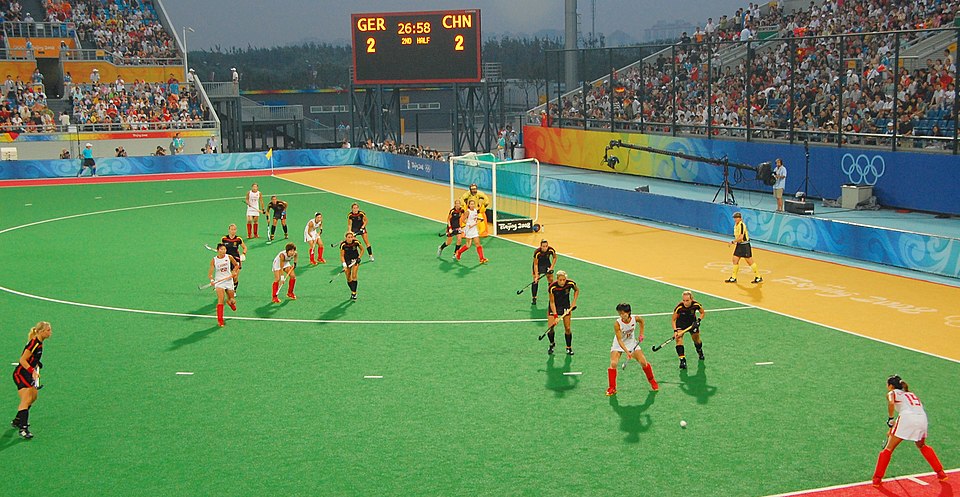
Teams organize their 11 players into specific formations based on tactical preferences and opponent analysis. The most common formations include 4-3-3, 3-4-3, and 5-3-2 setups.
4-3-3 Formation: Balanced Team Structure
The 4-3-3 formation represents the most balanced approach, featuring four defenders, three midfielders, and three forwards.
Positional Distribution:
- 4 defenders provide solid defensive coverage
- 3 midfielders control the center of the field
- 3 forwards create attacking options and scoring threats
Tactical Advantages:
- Balanced attack and defense capabilities
- Strong midfield presence to control possession
- Multiple attacking options to create scoring opportunities
- Solid defensive structure to prevent counterattacks
3-4-3 Formation: Attacking Midfield Focus
The 3-4-3 formation emphasizes midfield control and attacking options, sacrificing some defensive strength for offensive power.
Positional Setup:
- 3 defenders provide basic defensive coverage
- 4 midfielders dominate possession and control tempo
- 3 forwards create multiple attacking threats
Strategic Benefits:
- Superior midfield control to dictate game flow
- Multiple passing options in the center of the field
- Enhanced attacking capabilities with three forwards
- Better ball retention through midfield dominance
5-3-2 Formation: Defensive Heavy Setup
The 5-3-2 formation prioritizes defensive stability with a heavy backline, suitable for teams facing strong attacking opponents.
Player Distribution:
- 5 defenders create an impenetrable defensive wall
- 3 midfielders provide limited but focused support
- 2 forwards maintain basic attacking presence
Defensive Advantages:
- Maximum protection against strong attacking teams
- Multiple defensive options to cover all attacking threats
- Strong counterattacking potential with quick transitions
- Reduced risk of conceding goals through defensive overload
What Skills Do You Need for Each Field Hockey Position?
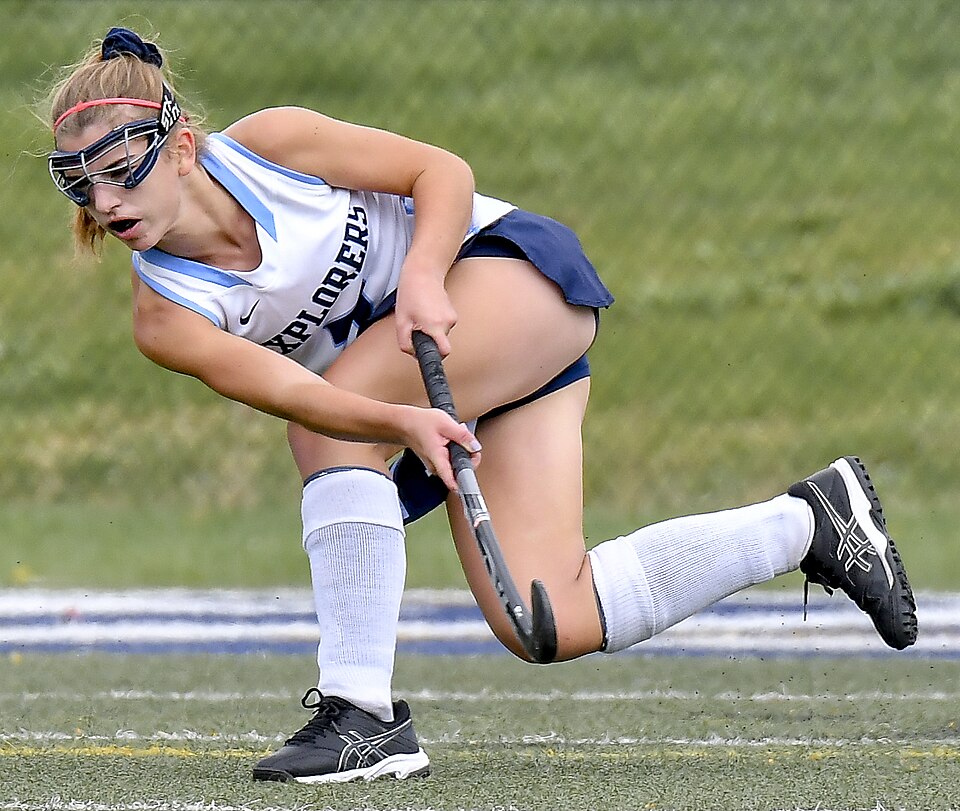
Each field hockey position requires specific skills and attributes to perform effectively. Understanding these requirements helps players develop their abilities and find their best role on the team.
Goalkeeper Skills: Reflexes and Decision Making
Goalkeepers need specialized skills that differ significantly from field players, focusing on reaction time and decision-making under pressure.
Critical Skills:
- Reflexes: Lightning-fast reactions to block shots traveling at high speeds
- Agility: Quick movements in all directions to cover the goal area
- Bravery: Courage to face powerful shots without hesitation
- Decision-making: Smart choices about when to challenge attackers or stay positioned
- Communication: Clear instructions to defenders about positioning and threats
Defender Skills: Tackling and Positional Awareness
Defenders require technical skills and tactical awareness to effectively stop opposing attacks and transition to offense.
Essential Skills:
- Positional awareness: Understanding where to be at all times to prevent scoring
- Strong tackling: Clean techniques to win the ball without fouling
- Good communication: Coordinating with teammates to maintain defensive shape
- Marking ability: Sticking close to opponents to prevent them from receiving passes
- Physical strength: Holding off attackers and winning physical battles
Midfielder Skills: Endurance and Versatility
Midfielders need the most diverse skill set, combining defensive abilities with offensive creativity and exceptional fitness.
Required Skills:
- High endurance/stamina: Continuous running throughout the entire match
- Passing accuracy: Precise distribution under pressure to maintain possession
- Quick transitions: Rapid switches between defensive and offensive roles
- Game control: Reading the game to make smart tactical decisions
- Versatility: Adapting to different situations and supporting all areas of the field
Understanding field hockey positions helps players identify their strengths and develop the specific skills needed for their role. Whether you’re a goalkeeper, defender, midfielder, or forward, mastering your position’s responsibilities contributes to team success and personal development in the sport. For those interested in the sport’s history, the Evolution of Hockey: From Ancient Origins to Modern Game provides fascinating insights into how the game has developed over centuries.
For more information about hockey rules and equipment, check out our guide to 2026 hockey rules updates and professional hockey sticks. The Marden Russets Hockey Club emphasizes position specialization in their training programs, helping players develop the specific skills needed for their chosen roles on the field.
Frequently Asked Questions About Hockey Positions Explained
What are the roles of each hockey position?
The goalie defends the goal, defensemen protect the defensive zone and can join attacks, midfielders control the center and transition play, and forwards (wingers and strikers) focus on scoring and offensive pressure. Each position works together to maintain team balance and strategy.
How do field hockey positions work together in common formations?
Common formations like 4-3-3 or 3-4-3 arrange players to balance defense, midfield control, and attack. For example, in a 4-3-3, four defenders support the backline, three midfielders link defense and attack, and three forwards press the opponent's goal, ensuring coordinated team play.
What skills do you need for each field hockey position?
Goalies need reflexes and blocking skills; defenders require tackling and positioning; midfielders need stamina and passing accuracy; forwards must have speed and shooting precision. Each role demands specific skills to fulfill its tactical responsibilities effectively.
