
Field hockey is a dynamic and fast-paced sport rapidly gaining popularity among children for its perfect blend of fun and fitness. For parents new to the game, understanding the basics, rules, and equipment is essential to support their child’s journey in this exciting team sport. Parents should also stay informed about upcoming changes, such as the 2026 Hockey Rules Updates: What every player needs to know.
Key Takeaway
-
Field hockey is a fast-paced sport gaining popularity among kids for fun and fitness
-
Understanding basic rules like no feet contact and stick height limits is essential for parents
-
Shin guards, mouthguards, and ASTM-certified goggles are mandatory safety equipment for youth players
-
Coaches value attitude and consistent effort over technical skills when evaluating young athletes
Essential Field Hockey Rules Every Parent Should Know
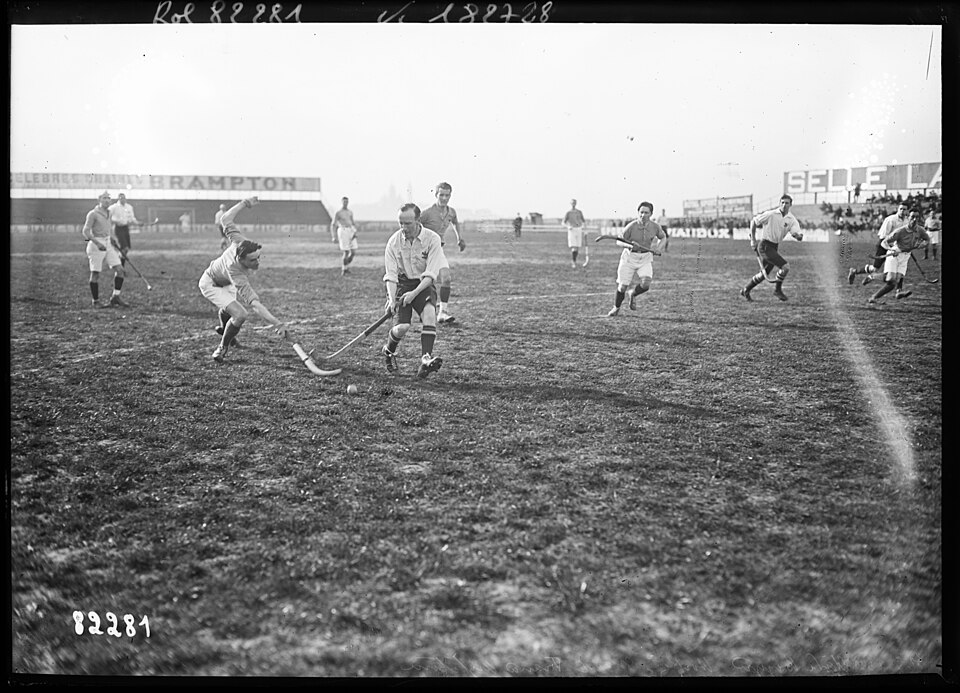
Basic Rules That Govern Fair Play and Safety
-
No feet contact: The ball cannot hit a player’s feet during play. This rule ensures fair competition and prevents players from gaining an unfair advantage by using their body to control the ball. When the ball accidentally touches a player’s foot, play stops and the opposing team receives possession, teaching young athletes to maintain proper stick control.
-
Stick height limits: Players cannot raise their sticks above their waist during regular play. This safety rule prevents dangerous high-sticking incidents that could injure other players. The only exception is during penalty corners when defenders can use masks and sticks may be raised higher for specific defensive maneuvers.
-
No tackling from behind: Players are prohibited from tackling opponents from behind. This protects players from dangerous collisions and potential injuries. Young players must learn to approach opponents from the side or front, developing proper defensive techniques that emphasize timing and positioning over reckless challenges.
-
No third party interference: Only two players can contest for the ball at any time. This prevents unfair advantages and maintains the integrity of one-on-one challenges. When a third player interferes, the umpire awards a free hit to the opposing team, teaching players to respect fair play principles.
-
Obstruction rules: A player cannot shield the ball with their body while their back is turned to an opponent. This ensures opponents have a fair chance to play the ball. Young players must learn to use their stick skills rather than their body to protect possession, developing better ball control and spatial awareness.
Understanding Player Positions and Their Demands
Field hockey features several positions, each requiring different skills and responsibilities. Midfielders face the most challenging role in modern field hockey, requiring a diverse skill set that includes shooting, tackling, marking, passing, and astute game reading. This position demands exceptional stamina as midfielders cover the most ground during matches, transitioning between offense and defense constantly. Parents should understand that midfield players often experience the highest physical demands and may need additional recovery time.
Forwards focus on scoring goals and creating offensive opportunities. They need excellent stick skills, speed, and the ability to read defensive formations. These players often face the most pressure during games and must develop mental toughness to handle missed scoring chances. Defenders protect their goal and prevent the opposition from scoring, requiring strong tackling skills, positional awareness, and the ability to clear the ball effectively under pressure.
Goalkeepers have specialized training and equipment to stop shots and organize the defense. This position requires courage, quick reflexes, and excellent communication skills. Goalkeepers often face the most direct physical challenges and must develop mental resilience to handle high-pressure situations. Understanding these positions helps parents appreciate what their child experiences during games and practices, especially if they’re playing midfield where the physical and mental demands are highest. For those interested in the sport’s history, the Evolution of Hockey: From Ancient origins to modern game provides fascinating context.
Essential Equipment for Youth Field Hockey Players
Mandatory Safety Equipment for 2025
-
Shin guards: Specifically designed for field hockey, these protect the lower legs from impacts with the ball or stick. They should cover the shin and ankle area completely for maximum protection during play. Quality shin guards feature hard outer shells with comfortable inner padding, allowing players to move freely while staying protected. Parents should ensure proper fit as ill-fitting guards can shift during play, leaving vulnerable areas exposed.
-
Mouthguards: Essential for protecting teeth and the jaw from injury, mouthguards are mandatory in most leagues. They absorb impact and prevent dental trauma during collisions or accidental contact. Custom-fitted mouthguards offer superior protection and comfort compared to boil-and-bite options, though they cost more initially. Parents should replace mouthguards annually or when they show signs of wear, as damaged guards lose effectiveness.
-
ASTM 2713 certified goggles: Often required for youth players, these protective eyewear meet specific safety standards. They protect eyes from flying balls, sticks, and accidental contact during play. The ASTM 2713 certification ensures the goggles have passed rigorous impact testing and provide reliable protection. Some leagues may have specific requirements about goggle design or may allow certain exemptions for older players, so parents should verify local regulations.
-
Turf shoes or cleats: Appropriate footwear provides necessary traction on artificial turf or grass surfaces. Proper shoes prevent slipping and reduce the risk of ankle injuries during quick directional changes. Turf shoes feature numerous small rubber studs for optimal grip on artificial surfaces, while cleats have longer, fewer studs designed for grass fields. Parents should match footwear to their child’s playing surface to ensure maximum performance and safety.
Choosing the Right Field Hockey Stick
Field hockey sticks are sized based on the player’s height, typically measured from the ground to their hip or navel. This sizing ensures proper control and technique development. Beginners often start with wooden sticks, which are more forgiving and help develop fundamental skills without the power of composite materials. Wooden sticks cost less and are ideal for young players still developing their technique and strength.
As players advance, they might transition to composite sticks that offer greater power and better ball control. Composite materials like carbon fiber and fiberglass provide different performance characteristics – carbon offers more power for hitting while fiberglass provides better control for dribbling. When selecting a stick, parents should consider their child’s height, skill level, and playing position. For example, defenders might prefer slightly heavier sticks for stronger tackles, while forwards might choose lighter sticks for quicker movements.
Stick weight also matters significantly. Youth sticks typically weigh between 19-22 ounces, with lighter options available for younger players. The bow shape (the curve along the stick’s playing surface) affects performance – a mid-bow offers versatility for all-around play, while a low-bow assists with aerial skills and drag flicks. Parents should also consider the grip quality and whether the stick includes a head protector, which prevents damage during play. For players looking to advance their skills, mastering hockey techniques like advanced stick handling can provide a competitive edge.
How to Support Your Child’s Field Hockey Development
Skill Development Focus Areas for Young Players
-
Fundamental skills: Youth field hockey focuses on developing core skills such as speed, agility, coordination, and strength. These physical attributes form the foundation for all advanced techniques. Parents can support development by encouraging diverse physical activities that build these attributes – running, jumping, balancing exercises, and basic strength training appropriate for the child’s age all contribute to better field hockey performance.
-
3D skills: Advanced techniques like lifts, jinks, and pops are challenging to defend against and represent a hallmark of skilled players. These skills allow players to maneuver around opponents creatively, lifting the ball over sticks or quickly changing direction. While these techniques require practice to master, they add excitement to the game and can be introduced gradually as players develop basic control.
-
Drills and practice: Consistent practice is essential for mastering core skills. Regular training sessions help build muscle memory and improve decision-making during games. Parents should encourage regular practice, even at home – simple activities like dribbling around cones, passing against a wall, or practicing ball control in the backyard can significantly improve skills between formal training sessions.
-
Game awareness: Understanding positioning, timing, and tactical decisions becomes increasingly important as players advance. This mental aspect of the game often separates good players from great ones. Parents can help by watching games together and discussing positioning, discussing why players make certain decisions, and encouraging their child to think strategically about the game rather than just focusing on physical execution.
What Coaches Notice Most in Young Athletes
Beyond technical ability, coaches highly value a player’s attitude and dedication. A positive mindset and consistent effort to give their best are qualities that coaches consistently notice and appreciate. These non-technical attributes often determine playing time and team selection more than raw skill alone. Parents should understand that a player who arrives early, stays focused during drills, and maintains enthusiasm even when struggling often stands out more than a naturally talented player with poor attitude.
Coaches observe how players handle challenges, respond to mistakes, and support teammates. A young athlete who maintains enthusiasm during tough practices, encourages others, and shows resilience after setbacks demonstrates qualities that translate to success both on and off the field. This attitude-focused approach means parents should emphasize effort and improvement over winning, creating a positive environment for their child’s development. Off-season training is also crucial for development, and parents can learn about effective programs through resources on Off-Season Hockey Training: Building Strength and endurance.
Communication skills also matter significantly. Players who listen to instructions, ask questions when unsure, and communicate effectively with teammates show maturity that coaches value. Parents can help develop these skills by encouraging their child to speak up during practices, ask coaches for clarification when needed, and maintain open dialogue about their experiences and challenges in the sport. Understanding game strategy is another way to enhance communication, and learning about hockey strategy can help players think more strategically about their positioning and decision-making.
The most surprising finding for many parents is that field hockey equipment requirements vary significantly by league and age group. While some organizations require ASTM 2713 certified goggles for all youth players, others may have different standards or allow certain exemptions. This variation means parents must verify specific equipment requirements with their child’s league before purchasing gear. Additionally, equipment needs change as players grow and advance – what works for a 10-year-old beginner differs greatly from what a 16-year-old competitive player requires.
Ready to support your young athlete? Start by attending a practice session to understand the game better, then invest in properly fitted safety equipment. Your involvement and encouragement will make a significant difference in your child’s field hockey experience and development. Consider volunteering as a team manager or assistant coach to deepen your understanding of the sport while supporting the entire team’s success. For those looking to enhance team performance, exploring Hockey Passing Drills: Building Team chemistry and accuracy can be beneficial for players of all levels.
