
Key takeaway
- Hockey has a rich history dating back to the 1800s with fascinating records and statistics
- The sport features unique rules like the “D” scoring area and quarter-based match structure
- Modern hockey combines traditional elements with impressive athletic achievements
Did you know that over 500 goals were scored by Marden HC players in a single season? That’s just one of the many fascinating hockey facts that make this sport so captivating. From record-breaking performances to surprising trivia, hockey is filled with statistics and achievements that showcase its rich history and exciting gameplay.
Hockey is a sport brimming with impressive statistics and record-breaking performances. From scoring feats to unique achievements, the numbers tell fascinating stories about the game’s evolution and the athletes who have shaped it.
Record-Breaking Performances and Scoring Feats
- 500+ goals in a season: Marden HC players scored over 500 goals across the club in 2026, demonstrating the high-scoring nature of modern hockey
- 22 goals by N. Day: The top individual scorer in 2025/26 achieved an impressive 22 goals, showcasing exceptional offensive skill
- 16 goals by A. Walker: Another standout performer with 16 goals, highlighting the depth of scoring talent in competitive hockey
- 5-2 Fall Season record: A notable achievement mentioned in competitive play, reflecting strong team performance
- First indoor game: The modern sport of ice hockey was developed in Canada, with the first indoor game played on March 3, 1875 in Montreal
- Stanley Cup origins: The Stanley Cup was initially commissioned in 1892 as the “Dominion Hockey Challenge Cup” by Lord Stanley of Preston
- Women’s hockey pioneers: Women began playing ice hockey in the late 19th century, with games recorded in Ottawa, Ontario in the 1890s
- Canada’s national sport: In 1994, ice hockey was officially recognized as Canada’s national winter sport
Unusual Hockey Trivia and Lesser-Known Facts
- Frozen pucks: Hockey pucks are actually frozen before games to reduce bouncing and improve playability
- Emergency goalies: NHL teams can use emergency goalies if both regular goaltenders are injured during a game
- Blackheath Hockey Club: Founded in 1861, this is recognized as the first official hockey club in the world
- Field hockey evolution: The modern game originated in England in the mid-19th century, evolving from ancient stick-and-ball games
- Scoring circle rules: Goals only count if the ball is touched by a player within the “D” (striking circle), a unique rule that adds strategic complexity
- Four-quarter format: Matches consist of four 15-minute quarters, creating a dynamic game flow different from traditional halves
- Six players per side: In ice hockey, each team has six skaters on the ice at a time, including a goaltender
- Full contact nature: Hockey is considered one of the more physically demanding team sports, requiring significant athleticism
The Origins and Evolution of Hockey
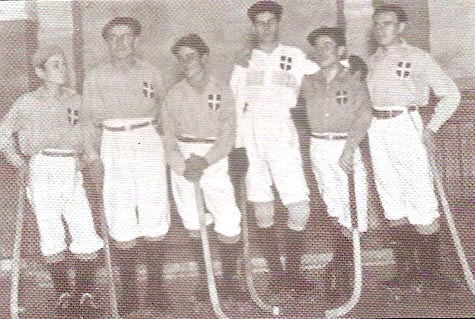
From Ancient Games to Modern Field Hockey
The sport we know today has evolved significantly from its ancient roots. Understanding this evolution helps appreciate how hockey developed into the structured, competitive game played worldwide. The modern game originated in England in the mid-19th century, evolving from ancient stick-and-ball games played across various cultures. These early games involved hitting a ball with curved sticks, a concept that would eventually develop into organized hockey. The sport’s formalization began when rules were established and clubs formed, creating the foundation for competitive play.
Field hockey’s development was influenced by games played in ancient civilizations, including Egypt, Greece, and Persia. The modern version emerged when English public schools adopted and standardized the rules in the 1800s. By 1886, the Hockey Association was formed in England, establishing the first official set of rules that would govern the sport globally.
The Birth of Organized Hockey Clubs
Blackheath Hockey Club, founded in 1861, holds the distinction of being the first official hockey club in the world. This marked a crucial transition from informal play to organized competition. As rules became standardized, hockey spread rapidly across England’s schools, parks, and clubs. Women embraced the sport early on, forming their own teams and competitions alongside men’s hockey.
The formation of the Hockey Association in 1886 was a pivotal moment that transformed hockey from a casual pastime into a regulated sport. This organization established consistent rules, standardized equipment specifications, and promoted competitive play. The sport’s popularity grew exponentially, with clubs forming across the British Empire and eventually worldwide.
How Hockey is Played Today
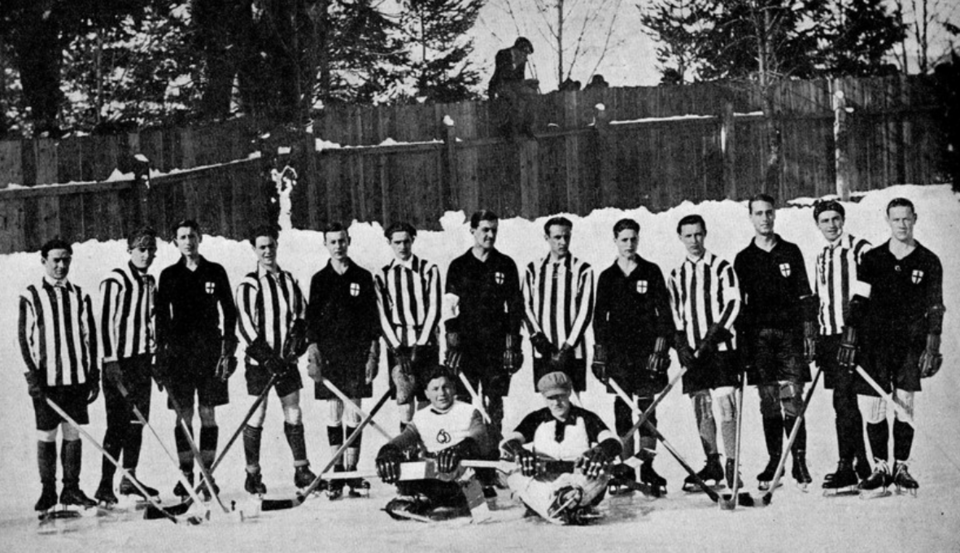
Modern Game Structure and Rules
- Four 15-minute quarters: Matches consist of four quarters, each lasting 15 minutes, creating a dynamic game flow that keeps players and spectators engaged
- Scoring in the “D”: Goals only count if the ball is touched by a player within the striking circle, known as the “D”, adding a strategic element to offensive play
- Six players per side: In ice hockey, each team has six skaters on the ice at a time, including a goaltender, creating a fast-paced 5-on-5 game
- Full contact sport: Hockey is considered one of the more physically demanding team sports, requiring significant athleticism and endurance
- Overtime rules: Ties are broken through overtime or shootout procedures, adding dramatic finishes to close games
- Penalty systems: Players can receive penalties for infractions, creating power-play opportunities and strategic advantages
- Substitution rules: Free substitution allows for continuous play and specialized player roles
- Offside regulations: Ice hockey features offside rules that prevent players from gaining unfair advantages
Equipment and Playing Field Specifications
- Hockey sticks: Essential equipment comes in various materials and designs, with professional players often using specialized sticks made from composite materials
- Protective gear: Players wear mouthguards, shin guards, and other protective equipment for safety, with ice hockey requiring additional padding due to contact
- Playing surfaces: Field hockey is played on grass or artificial turf, while ice hockey requires a refrigerated rink maintained at specific temperatures
- Goal dimensions: Standard goal sizes are regulated to ensure consistent gameplay across all levels, with field hockey goals measuring 3.66m wide by 2.14m high
- Ball vs puck: Field hockey uses a hard plastic ball weighing approximately 163 grams, while ice hockey employs a vulcanized rubber puck weighing 170 grams
- Goalkeeper equipment: Goalkeepers wear specialized protective gear including helmets, leg pads, and chest protectors
- Footwear requirements: Field hockey players use specialized shoes with cleats for turf traction, while ice hockey requires skates with steel blades
- Uniform standards: Teams wear matching uniforms with specific color requirements for home and away games
Hockey continues to evolve with new strategies, training methods, and technological advancements. From the grassroots level at clubs like Marden Russets Hockey Club to international competitions, the sport maintains its exciting blend of skill, strategy, and athleticism. Whether you’re a player, coach, or fan, understanding these facts enhances appreciation for hockey’s rich tradition and bright future.
Want to learn more about hockey rules and gameplay? Check out our comprehensive guide to hockey fundamentals for players of all levels.
The sport’s global reach is impressive, with over 100 countries participating in international competitions. The Olympic Games feature both men’s and women’s hockey, with nations like the Netherlands, Australia, and Argentina dominating field hockey, while Canada, Russia, and the United States excel in ice hockey. Professional leagues around the world, including the NHL, attract millions of fans and generate significant economic impact through ticket sales, merchandise, and broadcasting rights.
Modern hockey also embraces technology, with video review systems, advanced analytics, and performance tracking becoming standard in professional play. These innovations help teams optimize strategies, prevent injuries, and enhance the viewing experience for fans. The sport’s adaptability ensures it remains relevant and exciting for new generations of players and spectators.
Whether you’re interested in the historical aspects, the statistical achievements, or the current state of the game, hockey offers something for everyone. From the first indoor game in 1875 to today’s high-tech professional matches, the sport continues to captivate audiences with its unique blend of speed, skill, and strategy.
Frequently Asked Questions About Hockey Facts
What is the highest number of goals scored in a single hockey season?
Over 500 goals have been scored in a single season, showcasing the incredible offensive talent in the sport.
Who holds the record for the most goals in a single hockey game?
N. Day scored 22 goals in a single game, while A. Walker holds the record for 16 goals in a game.
How is modern hockey structured in terms of game time?
Hockey games today are played in four 15-minute quarters, providing a fast-paced and dynamic experience for players and fans alike.
